
A quick afternoon break
You want to make an espresso with minimal effort. A capsule machine could be a good choice if its capsule system and ongoing capsule costs suit the way you use it.


For a quick espresso tonic during a short afternoon break, a capsule machine is a good fit if you want to keep things simple. Choose a manual espresso machine if you want control over the preparation, or a bean-to-cup machine if you regularly want espresso from beans without making every cup by hand. The Consumentenbond points out that beans are generally cheaper than coffee capsules, and that bean-to-cup machines need maintenance. Simon Lévelt’s recipe calls for espresso, tonic and ice, so you don’t need a cold brew programme or milk function.
You want to make an espresso with minimal effort. A capsule machine could be a good choice if its capsule system and ongoing capsule costs suit the way you use it.
You want to have a say in the coffee and how it’s made, and are happy to put in the extra effort required by a manual espresso machine.
You want to make espresso from beans regularly, not just for this drink, without preparing every cup by hand, and you can make time for maintenance.
For an espresso tonic, you need espresso, tonic and ice. So focus on the steps involved, your choice of coffee, running costs and the time and space needed for maintenance.
| What to consider | What to look for | Who is this most important to? |
|---|---|---|
| Quick and easy to use | Check the espresso function, the capsule system if applicable, and how many steps it takes to make a cup. | If my afternoon break is short, I want to make an espresso in as few steps as possible. Around 33% of consumers in this buying context make speed their top priority. |
| Control over flavour | Check which type of coffee the machine uses and whether you can adjust the quantity, strength or grind. | I want to be able to tailor the coffee and preparation to my taste, even if it takes more effort. Around 27% of consumers prioritise adjusting the flavour. |
| Running costs | Compare capsules and beans based on how you expect to use the machine. If you choose ground coffee, factor in the possible cost of a grinder too. | If I use the machine regularly, I want to consider the cost of coffee or capsules as well as the purchase price. Around 20% of consumers put running costs first. |
| Space and maintenance | Measure the available space and check the machine’s dimensions, access to the water reservoir and drip tray, and the cleaning steps required. | I want a machine that fits on my worktop and has a cleaning routine I can keep up with. Around 20% of consumers make space and maintenance their top priority. |
The Consumentenbond explains that the cost of coffee or capsules matters too. Beans are generally cheaper than coffee capsules, while a manual setup may also require a separate grinder.
Compare the machine, the coffee you expect to use and any accessories you may need, based on how you plan to use it.
Simon Lévelt’s recipe uses freshly brewed espresso, tonic and ice. A cold brew programme is a separate feature, not a requirement for this drink.
First check that the machine makes the espresso you want. Only consider extra cold coffee functions if you’ll use them for other drinks too.
Models can differ in their product codes and specifications. For example, the designation EC685 alone does not confirm that it is the full EC685.M EX:4 version.
Before you buy, compare the full model code and specifications, not just the product photo or series name.
The Original range is worth considering if you’re looking for a compact capsule machine for a single espresso.
The Dedica Style EC685.M EX:4 is a manual espresso machine; the Dedica Duo EC890.M is a separate range.
The 2200 Series EP2220/10 is worth considering if you want to make espresso from beans and adjust the strength and quantity.
This selection includes capsule machines, a bean-to-cup machine and manual espresso machines. For each model, consider the steps involved, the type of coffee it uses and the maintenance it needs.
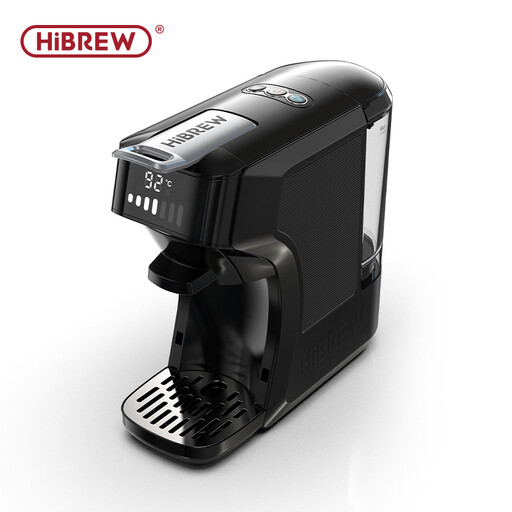 Image unavailable
An option for anyone who wants to use different types of coffee while keeping the brewing steps to a minimum.
The product information lists compatibility with several capsule systems, ground coffee, hot and cold modes, and an adjustable brewing volume. It states that espresso takes less than 1.5 minutes to prepare. The maximum cup height is 3.8 inch, and a 6–8 oz cup is recommended.
 Image unavailable
Ideal if you want to make espresso from beans without grinding and tamping every serving by hand.
The product information lists a built-in ceramic grinder with 12 grind settings, adjustable coffee strength and quantity, and a removable brew group. A descaling programme is also listed; cleaning and descaling are still part of the maintenance routine.
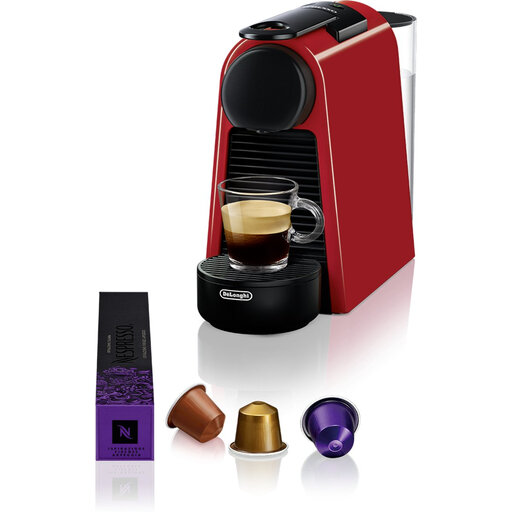 Image unavailable
A capsule machine for anyone who wants to make an espresso with minimal effort.
This model uses Nespresso Original capsules and has programmable buttons for espresso and lungo. The product information lists a 40 ml espresso and a width of 11 cm. Capsule costs add up with regular use.
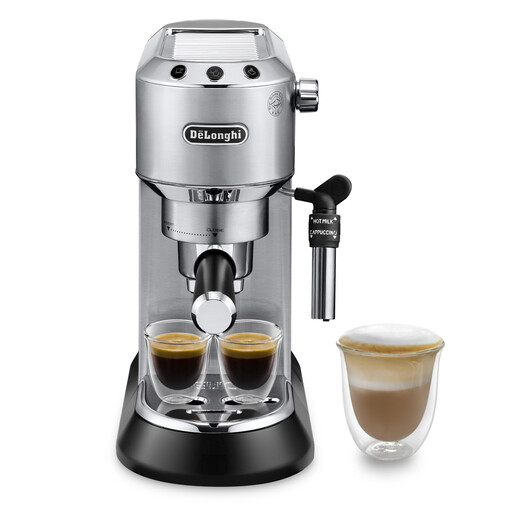 Image unavailable
A manual option if you want to choose your own ground coffee and control the preparation, and are happy with the extra steps.
The product information lists a width of 14,90 cm, an adjustable coffee quantity, a removable water reservoir and the option to make two cups at once. According to the description, E.S.E. pods require a separate DLSC402 filter; ground coffee is also supported.
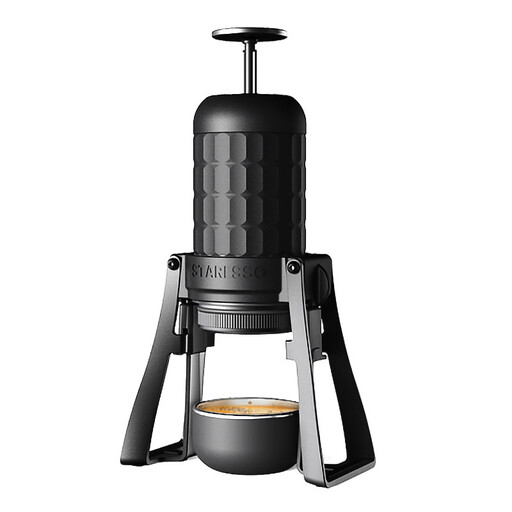 Image unavailable
A portable manual maker for anyone who wants to use ground coffee and doesn’t need an electric machine.
The product information lists a capacity of up to 24 g of ground coffee and enough for one or two cups. You’ll need to prepare hot water at 90–96 °C and press the espresso manually. The parts can be taken apart and washed.
No, neither feature is required for Simon Lévelt’s recipe: simply make an espresso and pour it over tonic and ice. A cold brew programme or milk frother may be useful for other drinks.
No, check which capsule system the exact machine uses. The Consumentenbond distinguishes between systems including Nespresso Original, Vertuo and Dolce Gusto. Nespresso describes the Essenza Mini as an Original machine.
Follow the cleaning and descaling instructions for your chosen model. A bean-to-cup machine, for example, needs attention to the brew group and drip tray. The exact tasks vary by machine.
According to ACM ConsuWijzer, for a standard online product purchase you generally have a statutory cooling-off period of up to 14 days after delivery, subject to legal exceptions. Statutory guarantees also apply alongside any seller’s guarantee; the relevant terms depend on your circumstances.