A capsule machine is a good fit if you want to make a few espresso tonics with minimal preparation. If you prefer to prepare the espresso yourself, consider a manual espresso machine, while a bean-to-cup machine grinds the beans and makes the coffee with few manual steps. If you’re making several glasses, focus on the work involved between servings, the cost of capsules or coffee, and cleaning. Check that the model makes a short espresso, too, and bear in mind the caffeine content: espresso tonic may not be suitable for every member of the family.
Who is this choice relevant to?
Making breakfast for several adults
You want to make espressos one after another for tonic drinks, so you’re comparing the controls, water tank and cleaning needed between rounds. The Consumentenbond describes different types of espresso machine; the Philips 2200 Series lets you adjust the strength and quantity.
Enjoy making espresso yourself
You want control over the preparation and are happy to do a little more with a manual espresso machine. The Consumentenbond lists manual espresso machines as one option; De’Longhi says the Dedica Style EC685.BK uses ground coffee and E.S.E. pods.
Occasional use and limited space
You make just a few drinks at a time and care most about a compact machine, simple controls and the cost per cup. Nespresso’s Essenza Mini is 8.4 cm wide; the Consumentenbond compares the cost of capsule coffee with ground coffee.
What should you look for when choosing?
Capsule coffee machine
A good fit if: you make a few drinks now and then and want to keep preparation to a minimum.
The trade-off: according to the Consumentenbond, capsules cost more per cup than ground coffee; used capsules also need to be disposed of.
Manual espresso machine
A good fit if: you want to prepare the espresso yourself and are happy to fill and clean the portafilter between rounds.
The trade-off: you’ll need to carry out the steps yourself for each serving, and may need a separate coffee grinder.
Espresso machine with automatic grinding and brewing
A good fit if: you want to use beans without grinding and tamping them yourself. Philips describes these steps for the Baristina BAR300/00.
The trade-off: you still need to remove the portafilter from the machine and rinse it; the steps described are not an independent measure of total preparation time.
Bean-to-cup machine
A good fit if: you regularly make several coffees and would rather choose settings than prepare a portafilter each time.
The trade-off: consider the space it takes up and the maintenance involved; extra features such as a milk frother aren’t needed for espresso tonic.
| What to consider |
What should you look for? |
Who is this important to? |
| Making several espressos one after another |
Compare the steps involved for each cup and the cleaning needed between rounds. Check how the machine operates; don’t judge total preparation time solely by the stated heat-up time. |
If I’m making drinks for several guests, I want as few steps as possible between espressos. Around 33% of consumers prioritise the number of drinks and the work involved in making them. |
| Control over the espresso |
Think about how much you want to do yourself and which settings you need; the Philips 2200 Series lets you adjust the strength and quantity. |
If I want to control the preparation myself, I’m willing to accept extra steps for each cup. Around 27% of consumers prioritise control over their espresso. |
| Machine and coffee costs |
Compare the cost of the machine with the cost of capsules, beans or ground coffee for the way you’ll use it. According to the Consumentenbond, capsules cost more per cup than ground coffee. |
If I use the machine regularly, I want to consider not just the purchase price but also what each cup of coffee costs me. Around 20% of consumers prioritise the purchase and running costs. |
| Cleaning and worktop space |
Check the dimensions and cleaning steps. According to Nespresso, the Essenza Mini is 8.4 cm wide; Philips describes rinsing the Baristina portafilter as part of cleaning. |
If I have limited space or little time for maintenance, I want to know in advance what needs cleaning and where the machine will fit. Around 20% of consumers prioritise space and maintenance. |
Common mistakes when choosing
-
Looking only at the purchase price of a capsule machine
The Consumentenbond says capsules cost more per cup than ground coffee. If you use the machine regularly, capsules may work out differently from what a comparison of machine prices alone suggests.
Compare the machine and coffee costs together, based on how many espressos you expect to make.
Capsules come with ongoing costs.
-
Assuming you need a milk function for espresso tonic
A milk frother is for other types of drink and isn’t needed for espresso tonic. If you do use it for milk-based drinks, you’ll also need to clean it.
Choose a milk function only if you also regularly want to make milk-based drinks.
-
Confusing heat-up time with the time needed to make breakfast drinks
Sage states that the Bambino Plus heats up in 3 seconds. This doesn’t include preparing, making and cleaning up after several espressos.
When comparing machines for serving several guests, look at all the steps involved for each drink.
Brands and models compared
De’Longhi
The Dedica Style EC685.BK is a manual espresso machine for anyone who wants to prepare espresso themselves using ground coffee or E.S.E. pods.
- The official model specifications list a thermoblock and a 1.1-litre water tank.
- The portafilter means extra steps for each serving; these specifications don’t demonstrate an independently verified advantage in taste or speed.
Philips
The Baristina BAR300/00 automates the grinding, tamping and brewing steps around a portafilter; the EP2220/10 is a bean-to-cup machine with adjustable strength and quantity.
- The models offer different ways of making coffee and aren’t interchangeable.
- Philips describes rinsing the Baristina portafilter as part of cleaning. The EP2220/10’s milk frother isn’t needed for espresso tonic.
Nespresso
The Essenza Mini is a compact Original capsule machine with a 40 ml espresso setting, for anyone who wants to keep preparation to a minimum.
- It measures 8.4 cm wide and its capsule container holds six used capsules.
- Capsules come with ongoing costs, so compare them with how often you’ll use the machine. The Consumentenbond says they cost more per cup than ground coffee.
Sage
The Bambino Plus SES500BSS4EEU1 is a manual espresso machine for anyone who also wants to prepare espresso themselves for drinks other than espresso tonic.
- Sage states that it heats up in 3 seconds and has an automatic steam wand; these are manufacturer specifications, not a measured total preparation time for each drink.
- The milk function doesn’t add anything essential when making espresso tonic.
Krups
The Essential EA8108 is a bean-to-cup machine with a built-in grinder, for anyone who uses beans and makes espresso via the control panel.
- Krups lists a 1.7-litre water tank and three grind and strength settings for the EA8108.
- The steam wand is operated manually. These features apply to the EA8108 and don’t automatically apply to other Krups machines.
Joybuy machines for espresso tonic
This selection features bean-to-cup espresso machines for anyone who wants to make espresso with few manual brewing steps. Check the controls and cleaning requirements of each model to see which suits your breakfast routine.
 No image available
Philips 1200 Series EP1220/00 fully automatic espresso machine
A bean-to-cup machine to consider if you want to make espresso with few manual steps.
The product name mentions one-touch preparation and a Pannarello steam wand. The coffee outlet and drink may be hot; keep children away while the machine is in use.
View on Joybuy
 No image available
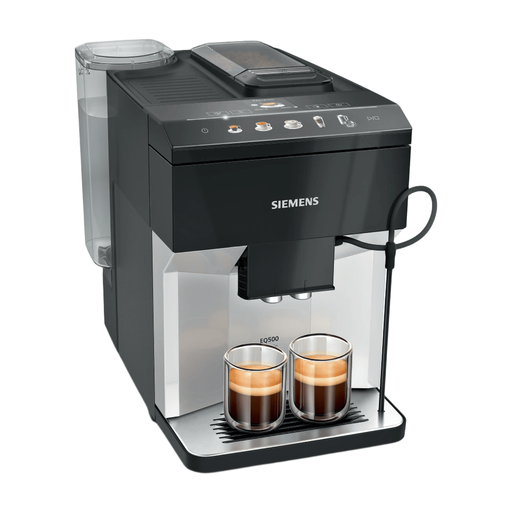
Siemens EQ500 TP511R01 fully automatic espresso machine
A bean-to-cup option to compare if you want fewer manual brewing steps at breakfast.
The product name lists the finish as Light Silver. The outlet, steam and freshly made coffee may be hot; keep children away while the machine is in use.
View on Joybuy
 No image available
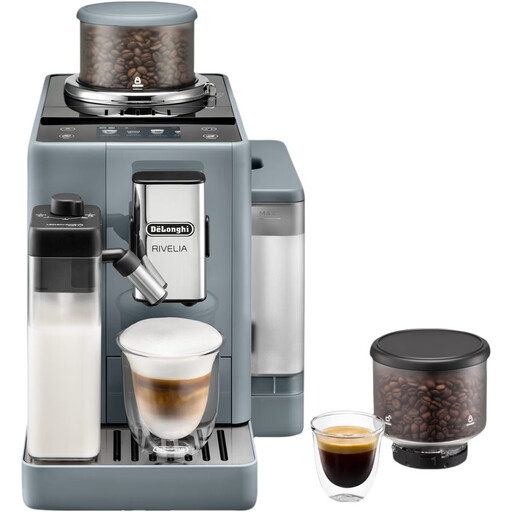
De’Longhi Rivelia EXAM440.55.G fully automatic espresso machine
Worth considering if you want to use beans with few manual brewing steps and make other coffee drinks, too.
The product name mentions a LatteCrema Hot milk frother and Bean Switch System. The milk function isn’t needed for espresso tonic; take care around hot outlets and steam while the machine is in use.
View on Joybuy
 No image available
De’Longhi ECAM290.61.SB Magnifica Evo fully automatic coffee machine
A bean-to-cup machine to compare if you want to make espresso without preparing a portafilter yourself each time.
The product name mentions an advanced milk frother and touchscreen; frothing milk isn’t needed for espresso tonic. The safety information warns that hot water and steam can cause burns and advises keeping the machine out of reach of children under 8.
View on Joybuy
 No image available
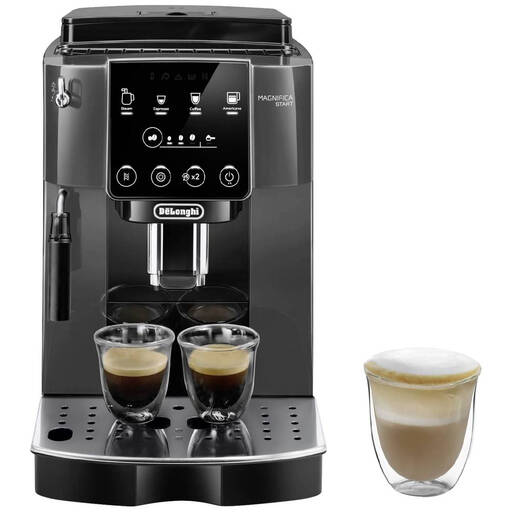
De’Longhi Magnifica Start ECAM220.22.GB fully automatic espresso machine
A bean-to-cup option if you want to use beans and make espresso with few manual brewing steps.
The product name mentions a manual steam wand, which isn’t needed for espresso tonic. Clean it after making milk-based drinks, following the instructions.
View on Joybuy
Frequently asked questions
Does espresso tonic need a special cold-brew function on the machine?
No, a standard espresso function is enough. Nespresso describes espresso tonic as a cold coffee drink; the Essenza Mini, for example, makes a 40 ml espresso. Add the ice and tonic outside the machine.
Can everyone in the family drink the same espresso tonic?
Bear the caffeine content and the drinker’s age in mind. The Voedingscentrum gives the average caffeine content of a 30 ml espresso as around 40 mg and advises that children up to and including the age of 13 should have no more than one 125 ml cup of coffee a day. Lower recommended limits also apply during pregnancy and breastfeeding, so consider total caffeine intake.
What should you clean after breakfast?
Follow the manual for your chosen model when cleaning the portafilter, brewing unit and drip tray, and when descaling. The Consumentenbond recommends cleaning the steam wand immediately after use if you’ve used it for milk-based drinks; frothing milk isn’t needed for espresso tonic.
Does my statutory guarantee in the Netherlands end after two years of the manufacturer’s guarantee?
No. According to the Rijksoverheid, there’s no fixed time limit for the statutory guarantee in the Netherlands; if a product is faulty, the seller is your point of contact. A manufacturer’s guarantee is in addition to those rights.


