Who is this for?

Anyone who wants to make espresso quickly for guests

You occasionally make espresso tonic and want to prepare the espresso without lots of grinding or adjustments. The Consumentenbond describes capsule machines as one of the common types of espresso machine.

Anyone who drinks coffee made from beans every day

You use the machine outside of visits from guests too, so you’ll want to consider ease of use, making coffee from beans and maintenance. The Consumentenbond lists fully automatic machines as one of the options.

Anyone who enjoys preparing espresso themselves

You see the process of making espresso as part of the experience and are happy to take the time, even when you have guests. The Consumentenbond describes manual espresso machines as a separate way to make coffee.

What should you look for when choosing?

Capsule machine with an espresso setting

A good fit if: you mainly want to make espresso quickly for tonic now and again. Nespresso’s Dutch Essenza Mini page lists a 40 ml espresso setting.

Bear in mind: you’ll need compatible capsules and will have to dispose of used ones.

Fully automatic bean-to-cup machine

A good fit if: you want to make coffee from freshly ground beans regularly, as well as espresso tonic. Philips lists an integrated grinder and adjustable coffee volume and strength for the EP2220/10.

Bear in mind: cleaning and descaling are part of owning one; the Consumentenbond explains that descaling procedures vary by model.

Manual espresso machine

A good fit if: you want to prepare and adjust the espresso yourself. The manufacturer lists filters for single or double espresso and compatibility with ESE pods for the De'Longhi Dedica EC685.BK.

Bear in mind: you’ll handle the portafilter for each coffee and need to choose which coffee or grinder to use.

Consideration What to look for when buying Who is this important to?
Making espresso quickly Check whether it has an espresso setting, which capsule system it uses and how many used capsules the container holds. If I want to spend as little time as possible making drinks when I have guests, I’ll focus on a straightforward espresso setting. Speed is the top priority for around 40% of consumers.
Making coffee from beans every day too Check whether the model grinds beans and whether you can adjust the volume or strength. If I want to use the same machine for my everyday coffee, the ability to make coffee from beans matters too. For around 20% of consumers, making coffee from beans every day is the top priority.
Preparing the espresso yourself Check which filters and accessories come with the model and whether you want to use ground coffee, ESE pods or beans that you grind yourself. If I want to make the espresso myself, I’m happy to take the extra steps involved with a manual espresso machine. This is the top priority for around 20% of consumers.
Space and maintenance Measure the available space and check the water tank capacity, access to the components and descaling instructions for the exact model. Will the machine fit on my worktop and suit my maintenance routine? Space and maintenance are the top considerations for around 20% of consumers.

Common buying mistakes

  • Looking only at the purchase price of a capsule machine

    The Consumentenbond points out that how often you use a machine affects the cost comparison between machine types. If you make coffee more often, the cost of compatible capsules adds up over time.

    Compare running costs based on how many espressos you expect to make, and factor in the cost of compatible capsules.

  • Assuming pump pressure in bar proves the espresso will be better

    A pressure figure on its own is not a comparative taste test for espresso tonic, and doesn’t tell you which machine is best for the way you make it.

    Start by considering the brewing method, espresso setting, ease of use and maintenance. Don’t rank the taste based on the number of bar alone.

  • Skipping maintenance because you don’t use the machine often

    According to the Consumentenbond, leaving descaling too late can lead to faults; some machines won’t make coffee again until the descaling programme has been run.

    Check how to descale the exact model in advance, then follow the instructions and alerts.

    Descaling takes time and may require descaling solution.

Brands to consider

Nespresso

The Original capsule system is an option if you want to make a short espresso for tonic with minimal effort.

  • Nespresso lists a 40 ml espresso button and a lungo button for the Essenza Mini.
  • You’ll need compatible capsules; the specifications listed aren’t an independent taste test.

De'Longhi

The Dedica EC685.BK offers a manual approach, while the EN85.R uses the Nespresso capsule system. Compare how they make coffee rather than looking at the brand name alone.

  • According to De'Longhi, the EC685.BK is around 15 cm wide, makes single and double espressos and is compatible with ESE pods. The manufacturer lists a 0.6-litre tank for the EN85.R.
  • These features apply to the models listed and don’t automatically apply to other De'Longhi machines.

Philips

The 2200 Series EP2220/10 is worth considering if you also want to use the machine regularly for coffee made from beans, as well as espresso tonic.

  • Philips lists an integrated grinder and adjustable coffee volume and strength for the EP2220/10.
  • These are manufacturer specifications; fully automatic machines also need cleaning and descaling.

Sage

The Barista Express Impress range is worth considering if you want to make espresso yourself and would appreciate help with dosing and tamping.

  • Sage describes the Barista Express Impress as having an integrated grinder and assisted tamping.
  • This is the manufacturer’s description and doesn’t demonstrate a proven advantage when making espresso tonic.

Joybuy products

This selection includes manual espresso machines, capsule machines and fully automatic machines for making espresso tonic and coffee from beans. Before buying any specific model, check that it has the CE marking and the correct electrical specification.
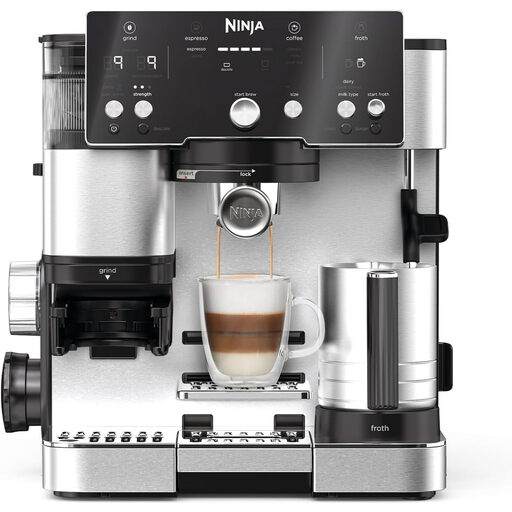
Ninja ES501EU Luxe Café 2-in-1 espresso machine

Ninja ES501EU Luxe Café 2-in-1 espresso machine with grinder and milk frother

An option if you want to make espresso yourself and are also looking for an integrated grinder and milk frother.

The product name describes a 2-in-1 model with a grinder and milk frother.

Check the CE marking and electrical specification of the specific model.

View at Joybuy

Philips 1200 Series EP1220/00 fully automatic espresso machine, matt black

Philips 1200 Series EP1220/00 fully automatic espresso machine, matt black

A good fit if you want to make coffee from beans as well as espresso tonic, using a fully automatic machine.

The product name lists a pannarello steam wand and one-touch preparation.

Check the CE marking and electrical specification of the specific model.

View at Joybuy
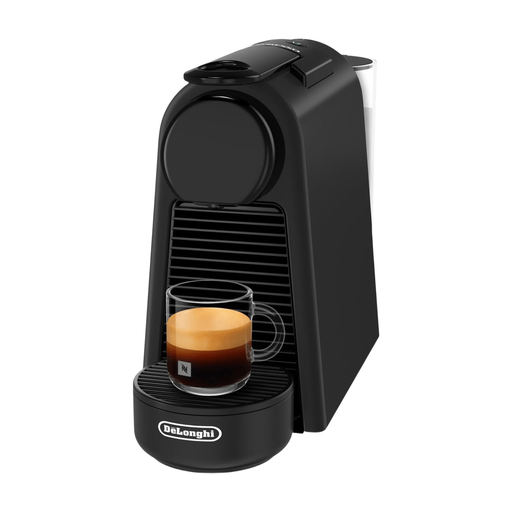
Nespresso Original De'Longhi EN85.BKMT Essenza Mini, matt black

Nespresso Original De'Longhi EN85.BKMT Essenza Mini, matt black

A capsule machine to consider if you want to make espresso for tonic with minimal effort.

The product name lists a 0.6-litre tank and a matt black finish.

Check the CE marking and electrical specification of the specific model.

View at Joybuy
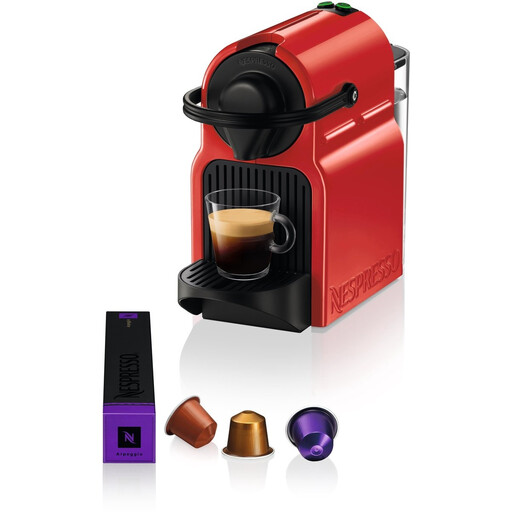
Nespresso Original Krups XN1005 Inissia, red

Nespresso Original Krups XN1005 Inissia, red

A capsule machine to consider if you want to make espresso for guests without grinding beans yourself.

The product name lists a 0.7-litre tank and a red finish.

Check the CE marking and electrical specification of the specific model.

View at Joybuy
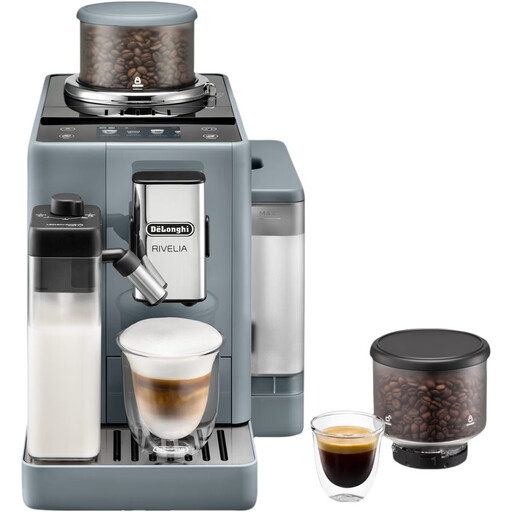
De'Longhi Rivelia EXAM440.55.G fully automatic espresso machine, Pebble Grey

De'Longhi Rivelia EXAM440.55.G fully automatic espresso machine, Pebble Grey

An option if you also want to use the machine for a wider range of coffee made from beans.

The product name lists a bean switch system and a LatteCrema Hot milk frother.

Check the CE marking and electrical specification of the specific model.

View at Joybuy

Frequently asked questions

Do you need a machine with a special cold coffee function to make espresso tonic?

No. Dutch recipes from Simon Lévelt and PLUS use brewed espresso combined with tonic and ice. Simon Lévelt gently pours the espresso over tonic and ice, while PLUS recommends cooling a double espresso first. Choose whichever method you prefer, and look for a machine that makes espresso.

What should you look for if you’re making espresso for several guests?

Check how much worktop space you have, how easy it is to access the water tank and how many coffees you can make before emptying the capsule container. De'Longhi lists a 0.6-litre tank and space for 6 used capsules for the EN85.R; these figures don’t apply to all capsule machines.

How often should you descale an espresso machine?

Follow the instructions and alerts for the exact model, as the process varies from machine to machine. The Consumentenbond explains that some machines won’t make coffee again until the descaling programme has been run.

Is two years the full statutory guarantee period in the Netherlands?

No. According to the Dutch government, there is no fixed period for statutory guarantees in the Netherlands: a product must do what you could reasonably expect it to do. If a product is faulty, contact the seller; any manufacturer’s guarantee is in addition to your statutory rights.

What product safety checks are relevant when buying in the Netherlands?

Electrical equipment covered by the low-voltage rules described by the NVWA must carry the CE marking; these rules apply to rated AC voltages from 50 V to 1000 V. Before buying, check the marking and electrical specification of the specific model.
