Choose a bean-to-cup machine with a milk function if participants need to prepare the same espresso-and-milk base one after another. A portafilter machine is a better fit if grinding, pulling espresso and frothing milk are part of the lesson. A compact pod machine may suit occasional use, but it requires capsules. Add caramel syrup as a separate recipe step with any of these machines.
Which approach is right for you?
Workshop host with several participants
You want to make espresso and milk-based drinks that participants can easily recreate one after another, and you consider how the milk system can be cleaned between uses. The Consumers’ Association and De'Longhi describe the relevant machine types and milk functions.
Barista workshop host
You want participants to grind, pull espresso and froth milk themselves, and take into account the extra steps involved in making each cup. The Consumers’ Association and Sage describe this preparation method.
Occasional workshop organiser
You’re looking for a machine that’s easy to put away, and weighing ease of use against capsule consumption and cleaning. The Consumers’ Association and Nespresso describe pod machines and preparing milk drinks with capsules.
What should you look for in an espresso machine for your workshop?
Bean-to-cup machine with a milk function
A good fit if: you want several participants to prepare the same espresso-and-milk base.
The trade-off: it takes fewer steps to operate, but milk-contact parts must be cleaned according to the model’s instructions.
Portafilter machine with a steam wand
A good fit if: participants need to practise the whole process themselves, from grinding to frothing milk.
The trade-off: using the machine manually gives participants more hands-on practice, but takes more attention per drink than pressing an automatic milk button.
Pod machine with a milk function
A good fit if: you make lattes occasionally and want a compact machine that’s easy to use.
The trade-off: capsules are an ongoing expense, and the milk container needs cleaning after use.
| What to consider |
What to look for when buying |
Who is this important to? |
| Consistent milk-based drinks |
Check which milk-based drinks the exact model can make and how it operates. Add caramel syrup separately. |
If several participants are making lattes one after another, I want a simple, repeatable process; around 33% of consumers prioritise making milk-based drinks quickly and consistently. |
| Cleaning the milk system |
Check which milk-system parts can be removed and what cleaning steps the manual recommends. |
If you want to clean milk-contact parts during and after the workshop according to the model’s instructions, ease of maintenance is a key consideration; around 27% of consumers prioritise easy cleaning. |
| Learning to make drinks by hand |
Check whether the machine has a portafilter, grind settings and a manual steam wand. |
If participants need to learn how to make espresso and milk foam themselves, I want them to be able to practise those steps; around 20% of consumers prioritise manual preparation. |
| Running costs and storage space |
Compare capsules and beans based on the number of cups you expect to make, and check the machine’s dimensions. |
For occasional use, I want a machine that suits my available storage space and how much I use it; around 20% of consumers prioritise a compact machine for occasional use. |
Common selection mistakes
-
Assuming a cappuccino button makes a complete caramel latte
A caramel latte recipe calls for caramel syrup to be added separately; preparing the espresso and milk are separate steps.
Choose a machine based on the espresso and milk functions you need, and include the syrup as a separate step in your recipe.
-
Assuming automatic cleaning means you don’t need to clean the milk parts
An automatic cleaning cycle doesn’t necessarily replace cleaning milk-contact parts as instructed for that model.
Before buying, it’s a good idea to read the cleaning instructions for the specific milk jug, tube or steam wand. Philips says to rinse the LatteGo parts after each use or wash them up.
-
Comparing only the purchase price of pod and bean machines
Running costs also depend on how many lattes you actually make and whether you use capsules or beans.
Compare the supplies you’ll need for the number of cups and workshops you expect to run, as well as the machine itself.
Brands and models to consider
De'Longhi
The Magnifica Evo ECAM290.61.SB is a bean-to-cup machine for espresso and automatic milk-based drinks.
- De'Longhi lists five one-touch drinks, including cappuccino, and a LatteCrema cleaning function.
- Add caramel syrup separately. According to the manual, the cleaning function doesn’t replace cleaning the milk jug.
Philips
The EP2333/40 in the 2300 Series prepares milk automatically using the removable LatteGo system.
- Philips describes LatteGo as a two-part system with no tubes.
- Philips says to rinse or wash the parts after each use.
Sage
The Barista Express SES875BSS2EEU1A suits workshops where participants make espresso and prepare milk themselves.
- Sage lists an integrated grinder, portafilter and manual steam wand.
- Participants will need to carry out more steps and receive more guidance for each drink than with an automatic milk button.
Nespresso
The Original Lattissima One is a pod machine with automatic milk-based drinks, suitable for limited or occasional use.
- Nespresso lists espresso, latte macchiato and a washable milk container.
- Original capsules are an ongoing expense, and the milk container needs to be cleaned thoroughly after use.
Siemens
The EQ500 TP551E07 is a bean-to-cup machine worth comparing if you’re looking for milk-based drinks made using a milk-tube setup.
- The Dutch product specifications list one-touch latte macchiato and cappuccino, and say it can be used with an optional container, milk carton or your own container.
- Check the manual for the cleaning steps and how much time you’ll need between participants.
Joybuy products for different workshop needs
These products suit workshop needs such as frothing milk by hand, using capsules or preparing milk-based drinks with fewer steps. Check the features and conditions of use for each model that matter for your workshop.
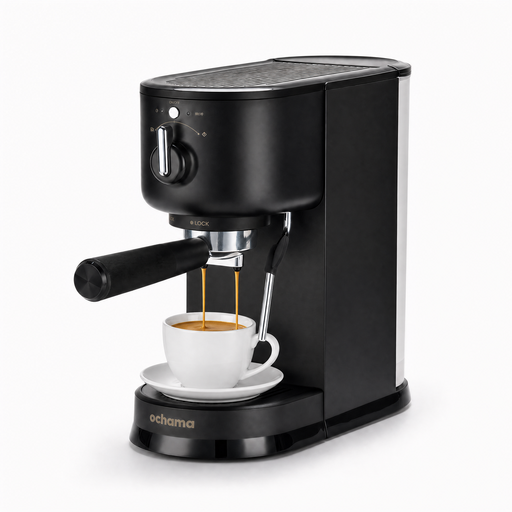 Image unavailable
Ochama semi-automatic espresso machine, 15 bar, 1.25 l
An option if you want to make espresso and milk foam by hand for lattes. The product information states that it’s for indoor, domestic use, so check that this suits your workshop venue.
The title lists 15 bar and a 1.25 l water tank. The product description mentions espresso extraction, a built-in steam milk frother, a removable tank and washable parts.
Joybuy
 Image unavailable
IAGREEA espresso machine, 20 bar
Suited to a workshop where participants pull espresso and froth milk themselves using a manual steam wand.
The title lists a 50 oz water tank. The product description mentions ground coffee, a portafilter, a manual steam wand, separate thermostats for brewing and steaming, and a removable drip tray.
Joybuy
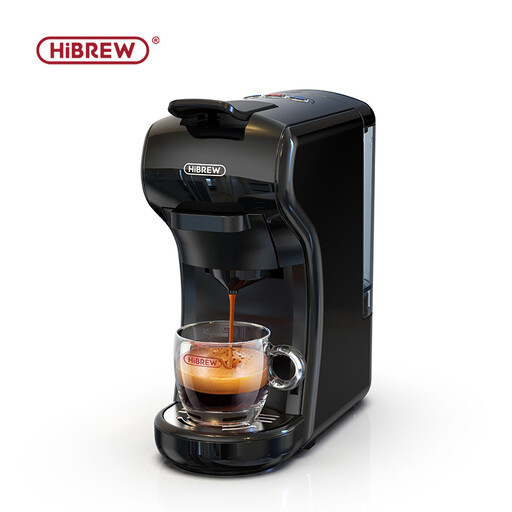 Image unavailable
HiBREW 4-in-1 espresso machine, 19 bar
An option to compare if you’re looking for different ways to prepare coffee. Before buying, check which capsule formats are compatible with the supplies you need.
The title lists several capsule formats and a Dolce Milk system. The product description mentions preparation with capsules and ground coffee, a milk-frothing system and a compact design for the worktop.
Joybuy
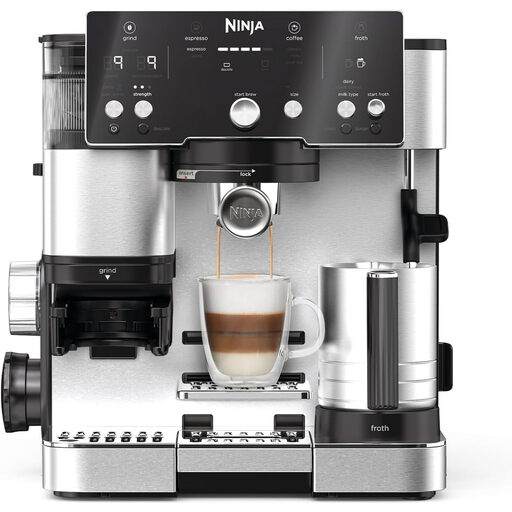 Image unavailable
Ninja ES501EU Luxe Café espresso machine
A good fit if you want to make espresso and milk foam using a built-in grinder and automatic milk frother.
The product description lists 25 grind settings and two froth settings.
Joybuy
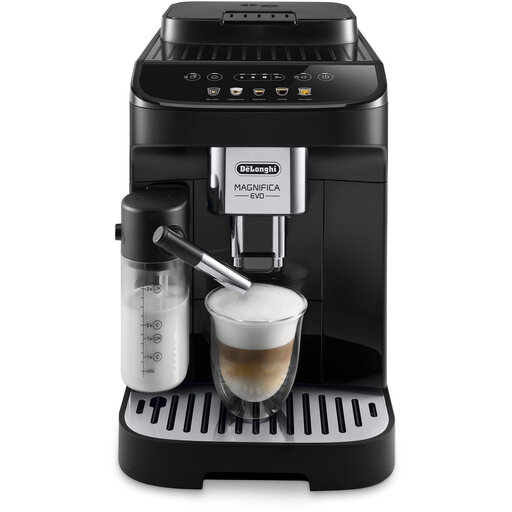 Image unavailable
De'Longhi ECAM290.61.B Magnifica Evo
An option if you want to prepare espresso and milk-based drinks at the touch of a button during your workshop.
The product description lists five one-touch drinks, including cappuccino and latte macchiato, an integrated milk container and a removable 1.8 l water tank.
Joybuy
Frequently asked questions
Does the espresso machine need to dispense the caramel syrup itself?
No, you can add caramel syrup as a separate recipe step, then prepare the espresso and milk. Check that your chosen machine has the espresso and milk functions you need; a milk button doesn’t automatically mean it has a caramel programme. De'Longhi describes caramel syrup as a separate step in the recipe.
What should you do after making milk-based drinks?
Follow the cleaning instructions for the exact model and its milk-contact parts. Philips says to rinse the LatteGo parts after each use or wash the two parts; an automatic cleaning function doesn’t automatically replace the required steps.
How do you compare capsules and beans for a workshop?
Compare the supplies you’ll need for the number of lattes you expect to make, as well as milk and maintenance. The Consumers’ Association recommends looking beyond the purchase price; without an estimate of how much you’ll use it, it’s not possible to tell which option will cost less.
Does a manufacturer’s warranty provide full cover when buying as a private customer in the Netherlands?
No, your statutory rights apply alongside any seller’s or manufacturer’s warranty. According to ACM ConsuWijzer, the seller must resolve an issue if a product becomes faulty sooner under normal use than you could reasonably expect, in line with the applicable terms. There isn’t one fixed statutory warranty period for every appliance.
What food and allergen rules apply if you sell or serve drinks to customers during your workshop?
If you sell or serve drinks to customers, you must inform them about any allergens present; milk, including lactose, is on the Netherlands Food and Consumer Product Safety Authority (NVWA) list. The NVWA also sets out safe food-handling practices and a HACCP food safety plan or approved hygiene code for activities covered by the rules for food businesses. Whether those rules apply to a particular workshop depends on how it is organised.


