What should you consider when choosing?
Bean-to-cup machine with a milk function
Good for: regularly making one or a few cappuccinos with minimal effort.
Bear in mind: the milk system still needs cleaning, along with the rest of the machine.
Manual espresso machine with a steam wand
Good for: making your own espresso and frothing milk for each cup.
Bear in mind: you’ll do more of the work yourself and need to clean the steam wand after use.
Capsule machine with a milk function
Good for: making individual cups with capsules and choosing a model with a built-in milk function.
Bear in mind: capsules are specific to the machine’s system, and the milk jug needs cleaning.
For small servings, the main things to consider are how much you want to do yourself, how much cleaning you’re happy with and whether everything will fit on your worktop.
| What to consider |
What to look for |
Who is this most important for? |
| Minimal preparation |
Check whether the exact model has a cappuccino or milk function. |
I want to make one or a few cappuccinos without frothing the milk myself; around 33% of consumers prioritise convenience when preparing their drinks. |
| Control over the preparation |
Check whether the model has a steam wand and which type of coffee input suits your routine. |
I want to make my own espresso and froth milk for each cup, even if it takes more steps; around 27% of consumers prioritise having that control. |
| Cleaning after using milk |
Check the manual for instructions on the milk system, brew group and descaling. |
I want as few parts as possible to clean after making a small milk-based drink; around 20% of consumers put minimising cleaning above other considerations. |
| Space and capsule system |
Measure the space for the machine and any separate milk frother; check which capsule system it uses. |
I want to know whether the whole setup will fit on my worktop and which capsules it takes; around 20% of consumers start by checking the space and whether the system is suitable. |
Products at Joybuy
This selection includes manual espresso machines with steam wands, capsule machines with milk functions and bean-to-cup machines for making small servings of cappuccino.
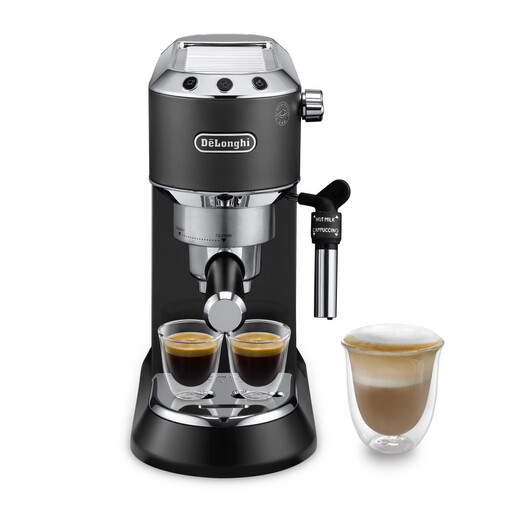 Image unavailable
De’Longhi Dedica Style EC685.BK, black
Suited to anyone who wants to prepare espresso and milk froth for each cup themselves.
You froth the milk manually; a separate filter is needed for E.S.E. pods.
View at Joybuy
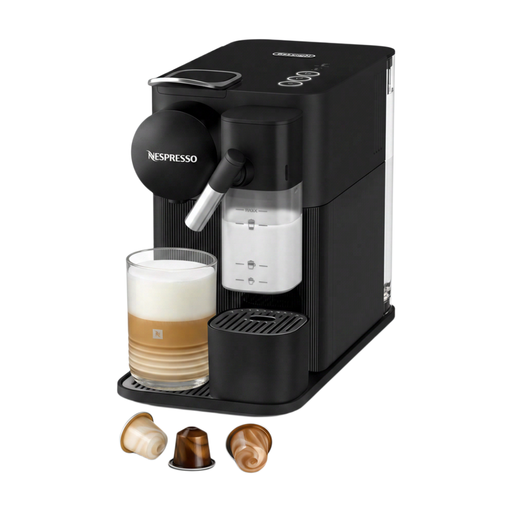 Image unavailable
De’Longhi EN510.B Lattissima One
Suited to making individual cappuccinos with a capsule machine and built-in milk function.
The machine uses Nespresso Original capsules; the milk jug needs to be filled to make milk-based drinks.
View at Joybuy
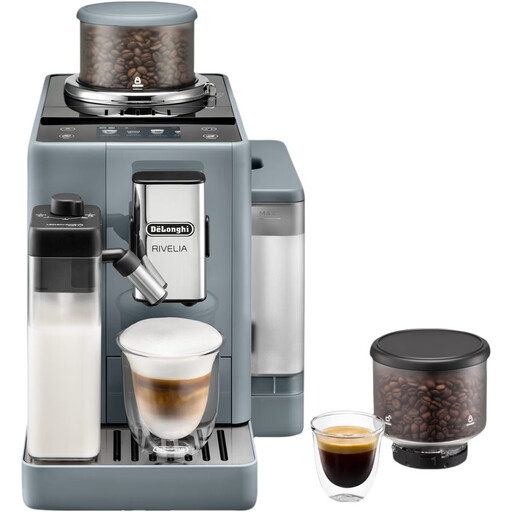 Image unavailable
De’Longhi Rivelia EXAM440.55.G
Suited to anyone who wants to make cappuccino with an automatic milk function.
The milk container needs to be filled and connected to make milk-based drinks.
View at Joybuy
 Image unavailable
Philips 5500 Series EP5547/90 LatteGo
Suited to anyone looking for a fully automatic machine with LatteGo for cappuccinos with minimal effort.
View at Joybuy
 Image unavailable
De’Longhi ECAM290.61.SB Magnifica Evo
Suited to anyone looking for a fully automatic espresso machine with a milk function for cappuccino.
View at Joybuy
Frequently asked questions
Do I need a special cinnamon function for cinnamon cappuccino?
No, not for the method described here. In a De’Longhi recipe, ground cinnamon is added to the cup before the espresso is brewed. Choose a machine based on how it makes espresso and froths milk, and check the manual before putting ingredients into any part of the machine.
Is a compact espresso machine without a milk function enough for cappuccino?
Not unless you have a separate way to froth milk. Nespresso describes the Essenza Mini as making espresso and lungo; check whether the exact model has a milk function or plan to use a separate milk frother.
What should I clean after making a cappuccino?
Follow the manual for your chosen model. Philips advises rinsing or washing the two LatteGo milk parts after every use; there are separate maintenance instructions for the brew group and water tank.
Do capsules from different systems fit the same machine?
Not always: according to the Consumers’ Association, Nespresso Original capsules don’t fit machines designed for Vertuo or Dolce Gusto. So check the machine’s capsule system and choose capsules designed for it.
What warranty applies in the Netherlands if the machine develops a fault?
In the Netherlands, a product must meet the standard you can reasonably expect from it. The Dutch government states that there is no fixed statutory warranty period; if a product develops a fault, the seller is responsible for providing an appropriate solution. Any manufacturer’s warranty is separate.


