
Vandaag of morgen in huis

Kwaliteit gegarandeerd

Welkomstaanbiedingen ontgrendelen: GRATIS bezorging | Tot 80% korting | Gratis 30 dagen JoyPlus-proefperiode
Download de app
Buying an espresso machine seems simple until you have to choose between beans, capsules, a portafilter machine or a fully automatic system. Marketing copy often focuses on a high number of bars, lots of programmes or stylish design. That doesn’t necessarily tell you how easy it is to use every day, how much maintenance it needs or how your coffee will taste.
There are three common pitfalls for households in the UK:
A semi-automatic espresso machine, also known as a portafilter machine, gives you control over the amount of coffee, tamping and extraction time. You can use ground coffee or an integrated grinder. It’s a good choice for home baristas who enjoy the process, but it also involves more steps and cleaning.
A fully automatic espresso machine grinds the beans, measures the water and makes your coffee at the touch of a button. Some models let you adjust the strength, grind and volume. This is handy for families or households where several people want to make their own coffee quickly.
A coffee capsule machine uses a dedicated capsule system. It’s usually simple to operate, and the machine is often compact. On the other hand, you’re tied to the capsule system you choose, and the cost per cup can add up. Check how the capsules should be returned or recycled, too.
A pump pressure of 15 bar or 20 bar is a technical specification, but it doesn’t guarantee quality on its own. The pressure during extraction may differ from the pump’s maximum pressure. So it’s worth considering:
A 20-bar model may suit you if you’re looking for a manual machine with a steam wand. If convenience is your priority, a good fully automatic machine with straightforward controls may be a better choice than a higher pressure rating.
If you regularly make cappuccinos or latte macchiatos, check which system the machine uses. An espresso machine with a milk frother may have a manual steam wand, while some fully automatic machines use a milk container with automatic cleaning.
A manual steam wand gives you more control over the texture of the foam, but it needs to be wiped and briefly flushed after every use. If the machine has a milk container, check whether the parts are dishwasher-safe and easy to remove. Always follow the manufacturer’s instructions and unplug the machine before cleaning any parts.
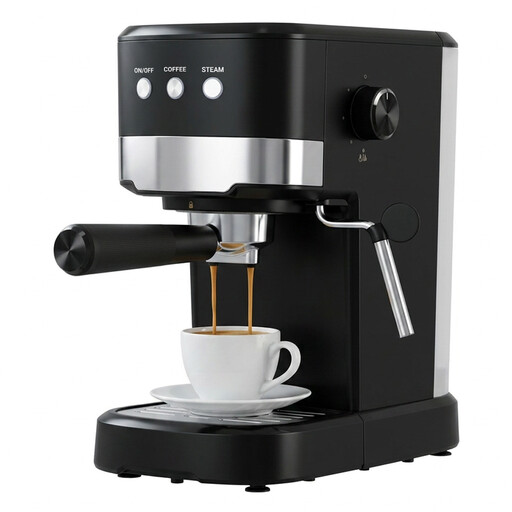
Why it suits this profile: This semi-automatic model is ideal for beginners who want to make their own espresso and milk foam without going straight for a large fully automatic machine.
The visible water tank is easy to refill, while the removable drip tray makes regular cleaning simpler. The specifications list a pump pressure of 15 bar, but you’ll also need to consider the grind and dose.
1.2-litre water tank, steam function for milk and cup-warming function.
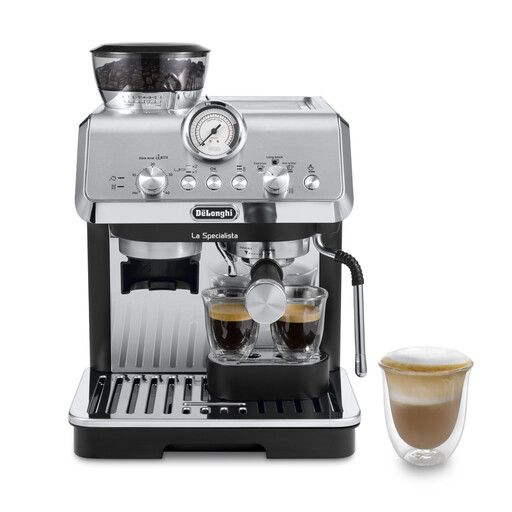
Why it suits this profile: A good fit if fresh beans, control and an integrated grinder matter to you, but you don’t want a separate coffee grinder taking up space on your worktop.
With eight grind settings, you can adjust the grind to suit your beans. Before you buy, though, make sure the extra steps involved with a portafilter machine fit your routine.
Integrated grinder, 1.5-litre water tank, 15-bar pump pressure and steam wand.

Why it suits this profile: A practical choice for families and households who want to make several coffee specialities, including cappuccino and latte macchiato, with minimal effort.
The removable brew group, drip tray and coffee grounds container make maintenance easier. According to the product information, you can adjust the coffee strength and grind.
1.8-litre water tank, 250-gram bean hopper, five programmes and automatic cleaning of the milk system.
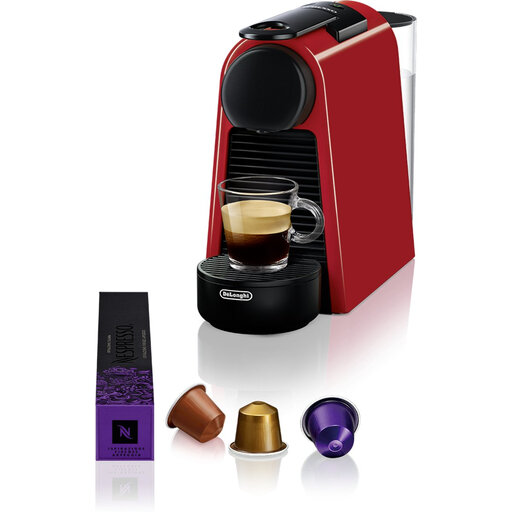
Why it suits this profile: This compact espresso machine is ideal for beginners, offices and flats where worktop space is limited.
Choosing your coffee is straightforward, with two programmable cup sizes. Bear in mind, though, that capsules can add to the cost and the 0.6-litre water tank is small.
19-bar pump pressure, espresso and lungo settings, and automatic shut-off after nine minutes according to the product information.
We’ve put together a complete, up-to-date list of products that meet these strict selection criteria and the applicable European safety regulations.
The purchase price is only one part of the cost. With a fully automatic bean-to-cup coffee machine, you may also need to buy filters, cleaning tablets and descaler. With a capsule machine, the cost per cup is often higher than with ground coffee or beans. A semi-automatic machine takes more time, but gives you the freedom to use different coffees.
Also check:
Its lifespan depends on how often you use it, water quality and maintenance. Regular descaling, cleaning the brew group and rinsing a steam wand straight after use can help reduce wear and blockages. Follow the maintenance schedule in the manual.
A model with a pump pressure of 15 bar can work perfectly well for home use, but the figure alone doesn’t determine the quality of the coffee. Temperature stability, grind, dose and filter quality matter too. So a 20-bar espresso machine isn’t automatically a better choice.
With capsules, you usually pay for each one, and the cost depends on the system you choose. With beans and ground coffee, the variable costs are different, but you’ll still need to factor in maintenance products and filters. Work out how many cups you make in an average week before choosing a machine.
