
Workshop host with several participants
Wants participants to make espresso with hot milk without detailed instructions, and considers the steps needed between successive drinks.


Choose a bean-to-cup machine with automatic milk preparation if participants need to make lattes with minimal effort. A manual espresso machine is a better fit if making espresso and frothing milk are part of the workshop; a capsule machine with a separate milk frother is another option for occasional use. Add the vanilla syrup separately, so focus on how the machine you choose prepares espresso and milk.
Wants participants to make espresso with hot milk without detailed instructions, and considers the steps needed between successive drinks.
Wants grinding, making espresso or frothing milk to be part of the activity, and allows for extra guidance and cleaning.
Wants to check in advance which coffee system, ingredients and maintenance are suitable for the intended use.
A good fit when: participants mainly want to choose a drink themselves and simple operation is important.
Bear in mind: milk components and the rest of the machine still need cleaning.
A good fit when: participants will make espresso and froth milk themselves as part of the workshop.
Bear in mind: the manual steps require explanation and attention between participants.
A good fit when: you want to pair capsule espresso with milk prepared separately, for example for occasional use.
Bear in mind: the milk frother is a separate appliance; check its capacity per use.
| What to consider | What to look for | Who should consider this most? |
|---|---|---|
| Making several drinks | Check which milk drinks the exact model prepares automatically and which steps participants need to do themselves. | If participants are making lattes one after another, I want to give as little guidance as possible for each drink. Around 31% of consumers in this workshop context prioritise simple operation most. |
| Making espresso and frothing milk yourself | Check whether the machine has a steam wand and whether it has a built-in grinder or needs a separate one. | If participants are practising barista skills, I want making espresso and frothing milk to be part of the activity. Around 25% of consumers prioritise these hands-on steps most. |
| Preparing milk and cleaning | Compare the amount of milk prepared per use and read the cleaning instructions for the specific milk component. | If I’m making several milk drinks in a row, I want to know how much milk the frother can handle at a time and how to clean it. Around 25% of consumers prioritise milk preparation and cleaning most. |
| Supplies needed | Check whether you need coffee beans, ground coffee or capsules, and which maintenance products are required for the machine. | For workshops that don’t take place often, I want to know in advance which consumables and maintenance steps are needed. Around 19% of consumers prioritise these supplies most. |
A machine may prepare espresso and milk, but vanilla syrup is a separate ingredient that you add yourself.
Choose your machine based on how it prepares espresso and milk, and plan for the syrup separately.
The coffee system you choose determines which consumables you’ll need; a separate milk frother may also mean another appliance.
Make a list in advance of what you’ll need for the expected use, such as coffee or capsules, syrup and maintenance products.
Even with an automatic milk function, milk-contact parts and other machine components need to be cleaned according to the instructions.
Before buying, read the cleaning steps for the specific milk and brewing system.
According to Philips, the 2300 Series EP2333/40 is a bean-to-cup machine with LatteGo for automatic milk preparation.
The Dedica range includes manual espresso machines. According to De'Longhi, the Dedica Style EC685.TB EX:4 is 15 cm wide.
According to Sage, the Barista Express combines an integrated grinder with manual milk frothing.
According to Siemens, the EQ500 TP551E07 makes milk-based drinks at the touch of a button and works with different milk containers.
A capsule machine with a separate Aeroccino is an option where espresso and milk are prepared separately.
This Joybuy selection includes espresso machines with milk preparation, including bean-to-cup models and a manual machine for anyone who wants to make espresso and froth milk themselves.
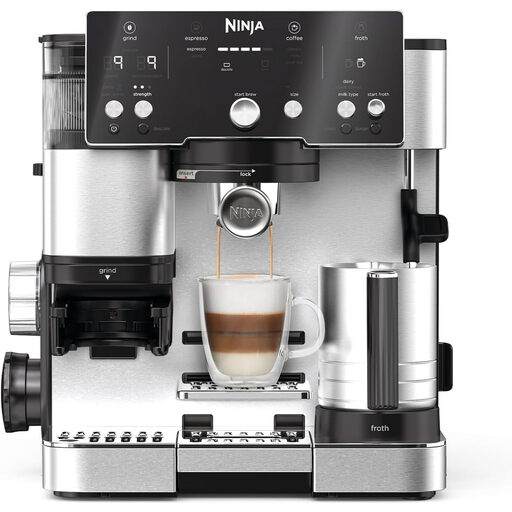 Image unavailable
Suited to a workshop where participants want to prepare espresso and milk separately and experiment with frothing settings.
2 frothing settings.
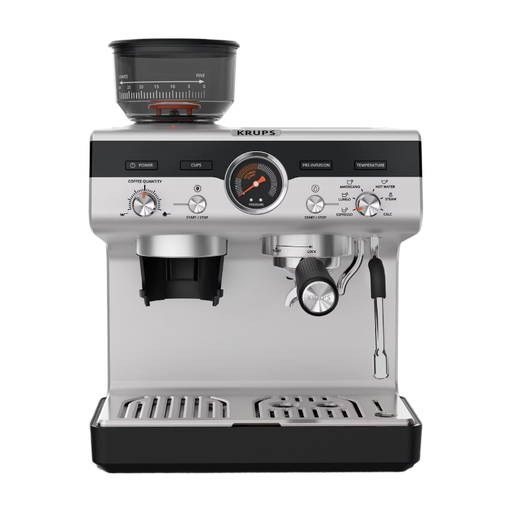 Image unavailable
Suited to a workshop where participants make espresso and froth milk themselves.
250 g bean container; 30 grind settings.
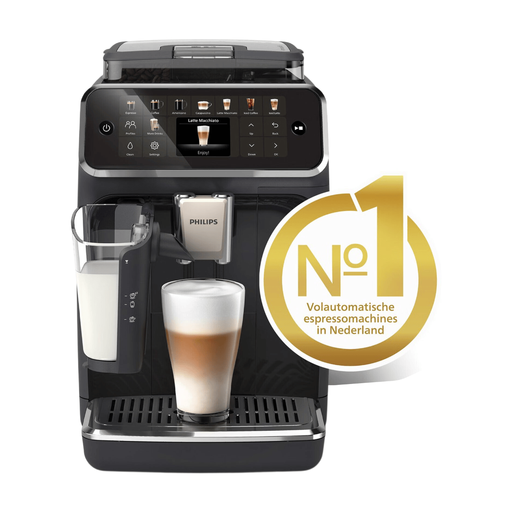 Image unavailable
Suited to participants who want to choose a milk-based drink without frothing milk themselves with a steam wand.
20 drinks; ceramic grinder with 12 settings; AquaClean; 1,8 l water tank.
 Image unavailable
Suited to participants who want to make an espresso or milk-based drink with very few manual steps.
LatteCrema Hot milk frother; Bean Switch System.
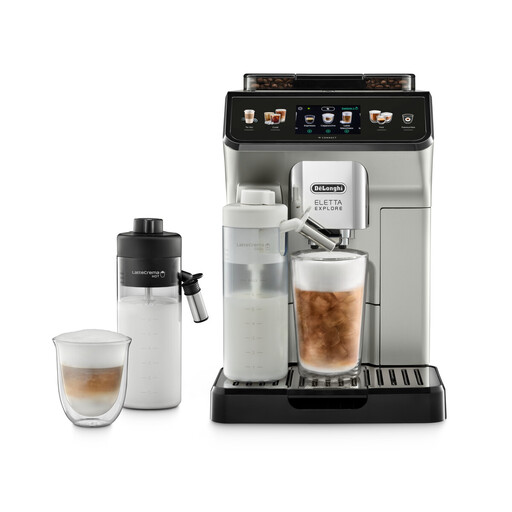 Image unavailable
Suited to a workshop where participants choose an espresso or milk-based drink from the machine’s available options.
13 drinks; LatteCrema system.
No, add the vanilla syrup separately. In the Starbucks at Home recipe, espresso and syrup go into the mug first, followed by hot, frothed milk. So check that your chosen set-up can prepare espresso and the right kind of milk.
Remove any milk residue and follow the cleaning and descaling instructions for the specific machine. An automatic milk function doesn’t replace cleaning.
Check which coffee or capsules and maintenance products are needed for the machine you choose. If you’re buying as a consumer, statutory guarantees apply under ACM ConsuWijzer guidance, alongside any manufacturer’s or additional warranty; if a product is faulty, contact the seller. Don’t assume the same consumer rules automatically apply to business purchases.
If a business serves drinks to consumers, it must provide information about any allergens present, according to the Netherlands Food and Consumer Product Safety Authority (NVWA); milk, including lactose, is a listed allergen. The NVWA also explains that food businesses preparing, processing or selling food must work with an HACCP food safety plan or an appropriate hygiene code. These business requirements don’t automatically apply to a private event.