For a vanilla latte on a small worktop, you can choose between a capsule machine with separate milk preparation, a slim espresso machine with a steam wand, or a fully automatic machine with an automatic milk system. Measure more than just the machine: allow space for milk, accessories and the steps involved. Also consider how much hands-on preparation and cleaning fit into your routine. The Consumers’ Association notes that capsules can work out more expensive than ground coffee, so take into account how often you make coffee too.
Who is this buying guide for?
Buyers with limited worktop space
You want to make a vanilla latte at home while still having room for your cup and milk preparation. The manufacturer’s dimensions for De’Longhi and Nespresso help you compare machines, but don’t show how much worktop space you’ll need for all the steps.
Milk drink makers
You regularly make lattes and want to choose between steaming milk yourself, using a separate frother or letting the machine prepare the milk automatically. The Consumers’ Association describes these different ways of preparing milk and coffee.
Cost-conscious coffee drinkers
You’re weighing up the convenience of capsules against the ongoing cost of coffee and the work involved with an espresso machine. The Consumers’ Association highlights both the type of machine and the cost of using it as points to consider.
What should you look for when choosing?
Measure the available width, depth and height, and allow extra room for your full latte routine, including milk preparation and cleaning.
| What to consider |
What should you check? |
Who is this important for? |
| Total worktop space |
Measure the width, depth and height, and allow room for the milk jug, frother or any other steps involved in your chosen setup. |
I want room for both the machine and milk preparation, without crowding my cups or workspace. Around 33% of consumers prioritise the worktop space available. |
| Milk preparation |
Check whether the exact model has a steam wand or automatic milk system, or make room for a separate frother. |
When I make a latte, I want to know in advance how the milk is prepared and which parts I’ll need to clean afterwards. Around 27% of consumers make milk preparation their top priority. |
| Steps involved in making each latte |
Think through the routine: make the espresso, prepare the milk, add vanilla syrup and clean any milk components you’ve used. |
If I use it regularly, I don’t want more steps than my routine allows. Around 20% of consumers mainly choose according to the number of steps involved. |
| Ongoing coffee costs |
Compare coffee costs based on how often you use it, and include the cost of a separate milk frother if needed. The Consumers’ Association says capsules cost more than ground coffee when used. |
If I make coffee often, I want to factor in the cost of my chosen coffee system, not just the machine. Around 20% of consumers prioritise ongoing coffee costs. |
Common buying mistakes
-
Measuring only the width of the machine
Even a slim machine may need extra space for a portafilter, milk jug or separate frother. The machine dimensions provided don’t show the full amount of worktop space needed for every step.
Measure the available width, depth and height, and check where you can put the parts during preparation and cleaning.
-
Assuming every capsule fits every capsule machine
According to the Consumers’ Association, capsule systems such as Nespresso Original, Nespresso Vertuo and Dolce Gusto are not interchangeable.
Check the exact capsule system before choosing a machine and coffee.
-
Assuming the lowest purchase price means the lowest running costs
The Consumers’ Association says capsules cost more than ground coffee when used. How the costs compare for you also depends on the coffee you choose and how often you make it.
Compare the machine and coffee based on how often you’ll use them, and include any separate milk-preparation equipment you may need.
-
Confusing the manufacturer’s warranty with your legal rights
A manufacturer’s warranty is separate from your legal rights. According to the Dutch Government, there is no fixed statutory warranty period in the Netherlands.
Check what an additional warranty offer covers, and report any problem with a faulty product to the retailer.
Brands and models to consider
The features mentioned apply to the specific models and product ranges below. They’re intended to help you compare different ways of preparing your coffee.
De’Longhi
The Dedica Style EC685.M EX:4 is a manual espresso machine with a steam wand, designed for anyone short on worktop width.
- De’Longhi lists dimensions of 149 × 330 × 305 mm for this model, along with an adjustable cappuccino system.
- You’ll need to make the espresso and prepare the milk yourself, so allow space beside the machine to do so.
Nespresso
The Essenza Mini is a compact Original capsule machine that makes espresso and lungo. You’ll need a separate milk solution for a latte.
- Nespresso lists dimensions of 8,4 × 20,4 × 33 cm, with espresso and lungo functions.
- Allow space for milk preparation too. Original capsules don’t fit Vertuo or Dolce Gusto machines, according to the Consumers’ Association.
Philips
The EP2333/40 from the 2300 Series is an example of a machine with automatic milk preparation.
- Philips lists a LatteGo milk system with two parts that can be cleaned for this model.
- Compare the machine’s full dimensions with your available space, and allow room to clean the milk components.
Sage
The Bambino Plus SES500BSS4EEU1 combines a manual espresso machine with automatic assistance for steaming milk.
- Sage lists three adjustable milk temperatures and three texture levels for this model.
- Espresso is prepared manually, so check that you have room for the portafilter and milk jug too.
Krups
Krups describes the Mini Maestro Hot&Cold XP350D as a slim espresso machine with a steam wand.
- Krups lists a width of 12 cm and a steam wand for milk drinks.
- The stated width is for the machine itself, not the space you’ll need for all the preparation steps.
Products on Joybuy
This selection includes machines for espresso and milk drinks, from capsule and semi-automatic models to a fully automatic machine.
 No image available
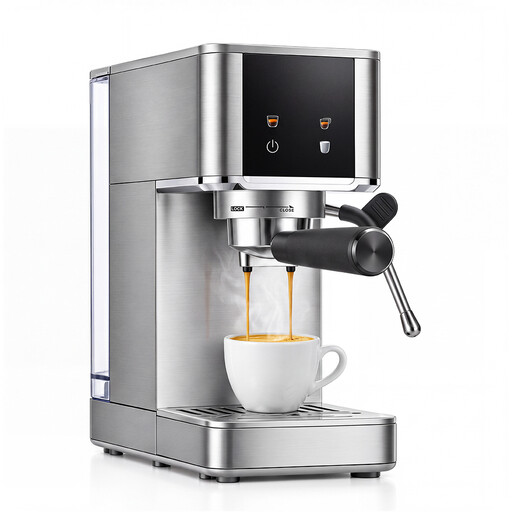
ochama 2-in-1 espresso machine for coffee and capsules
An option if you want to combine espresso and milk preparation in one appliance.
The product name mentions an integrated milk frother, a removable 1,4 l water tank, touch controls and 15 bar pressure.
View on Joybuy
 No image available
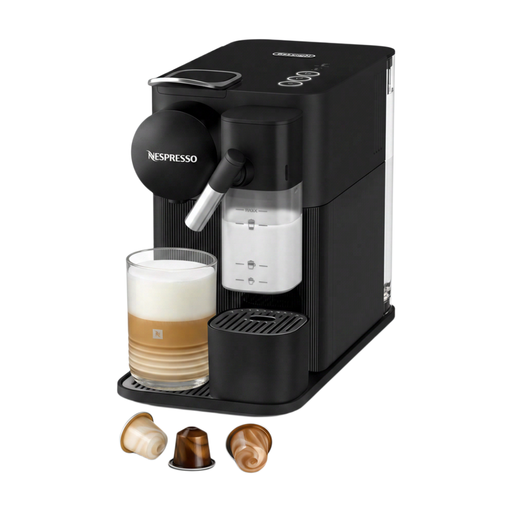
Nespresso Original De’Longhi EN510.B Lattissima One
A capsule machine for anyone who also wants to make milk drinks without having to choose a separate frother.
The product name mentions latte and cappuccino preparation, and a capacity of 1,0 litre.
View on Joybuy
 No image available
Philips 5500 Series EP5547/90 LatteGo
A good fit if you’re looking for a fully automatic way to make espresso and milk drinks.
LatteGo is part of the model name. Check the machine’s dimensions and allow enough room for use and cleaning.
View on Joybuy
 No image available
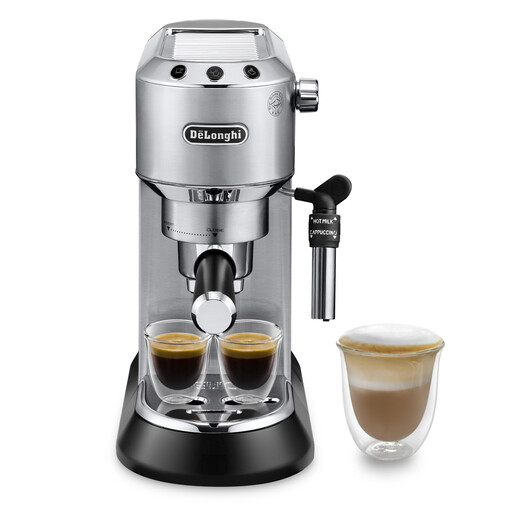
De’Longhi Dedica EC685
An option if you want to prepare your own espresso and milk, and don’t mind frothing the milk by hand.
The product name mentions a manual milk frother and a slim design.
View on Joybuy
 No image available
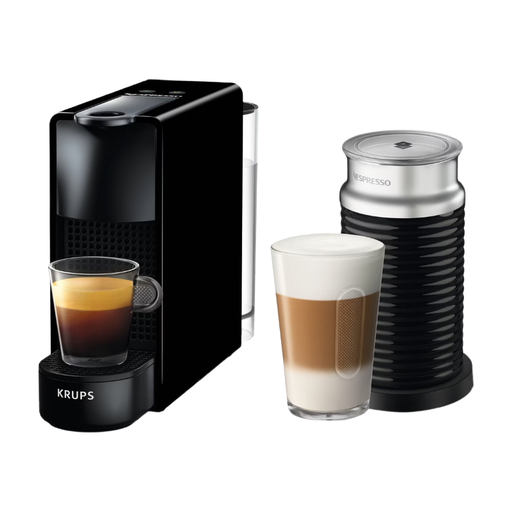
Nespresso Krups Essenza Mini XN1118 with milk frother
A capsule option for anyone who wants to make milk drinks and has room for a separate milk frother.
The product name mentions a milk frother, so allow space beside the machine for milk preparation too.
View on Joybuy
Frequently asked questions
Does my espresso machine need a vanilla programme?
No. Starbucks at Home’s recipe calls for espresso, milk and vanilla syrup. Choose a machine that suits the way you like to prepare espresso and milk, then add the syrup yourself.
Are capsules always cheaper because the machine costs less?
No. A lower purchase price doesn’t automatically mean lower running costs. The Consumers’ Association says capsules cost more than ground coffee; the difference for you depends on the coffee you choose and how often you make it.
How should I store milk for my latte?
After use, put opened semi-skimmed milk back in the fridge promptly and keep it at 4 °C, as advised by the Netherlands Nutrition Centre. Follow the appropriate storage advice for other types of milk, and clean the milk components according to your machine’s instructions.
Who should I contact in the Netherlands about a faulty espresso machine?
Report a problem with a faulty product to the retailer. According to the Dutch Government, there is no fixed statutory warranty period in the Netherlands; what you can expect depends, among other things, on the product, its price and the information provided at the time of sale. A manufacturer’s warranty is in addition to your legal rights.


