Before choosing an espresso machine, compare your preferred ristretto volume with the smallest serving the exact model can be set to make; an espresso button alone doesn’t guarantee it. Capsule machines involve very little preparation, a manual espresso machine gives you control over the process, and a fully automatic machine is designed for convenience when using beans. Weigh these differences against the cost of capsules or beans and the maintenance involved; Which? points out that capsules can cost more per cup than coffee beans.
Who is this choice relevant to?
For lovers of a truly small cup
Your main priority is being able to set the short serving you want; the word ‘espresso’ alone doesn’t tell you whether the volume is right for your ristretto. Nespresso Netherlands lists different volumes in its guide and Pixie product information.
For quick-break coffee makers
You want to go from break to cup with as few steps as possible, and are weighing the convenience of capsules against the ongoing cost. Which? compares capsule machines, fully automatic machines and manual espresso machines as different ways to make coffee.
For regular coffee drinkers
You make coffee outside your afternoon break too, and are comparing the higher upfront cost of a bean-to-cup machine with the cost of using capsules regularly. Which? points out that capsules can cost more per cup than coffee beans.
What should you look for when choosing?
Start with the smallest serving the exact model can make, then choose the brewing method that suits your break and how often you make coffee.
Capsule machine
A good fit if: you want to make a quick cup without grinding coffee or filling a filter holder.
Things to consider: Which? says capsules cost more per cup than coffee beans; also check whether the serving size suits your preferred ristretto.
Manual espresso machine
A good fit if: you want control over the brewing process and don’t mind filling and cleaning the filter holder during your break.
Things to consider: making coffee involves more steps; if you use coffee beans, you may need a separate grinder.
Fully automatic machine
A good fit if: you regularly want to make coffee from beans without grinding them yourself for every cup.
Things to consider: check the smallest drink volume and allow for the machine’s ongoing maintenance.
| What to consider |
What should you check? |
Who does this matter most to? |
| Small serving size |
Check the minimum volume in millilitres and how to set or stop the serving. |
I want to be able to make a genuinely small cup, not just press a button labelled ‘espresso’. Around 36% of consumers put the option of a small serving first. |
| Speed and ease of use |
Find out what preparation is needed and whether you can easily make the same amount again. |
If my break is short, I want as few steps as possible between getting started and having my cup. Around 29% of consumers prioritise speed and fewer steps. |
| Running costs |
Compare the machine, capsules or beans, and any grinder based on how you use them. |
I want to match the cost to how often I make coffee, rather than looking only at the purchase price. Around 21% of consumers put the total cost for their own usage first. |
| Space and maintenance |
Measure the space available and read the maintenance instructions for the exact model. |
I want to know whether the machine will fit on my worktop and how much cleaning it needs. Around 14% of consumers prioritise space and maintenance. |
Common buying mistakes
-
Assuming a ristretto label confirms a machine setting
A name on a capsule or product page doesn’t automatically tell you how much coffee the machine dispenses. Nespresso Netherlands lists 15 ml in a ristretto guide and 25 ml on the Pixie page.
Check the minimum serving size and controls for the exact model before you choose.
-
Comparing only the purchase price
The purchase price doesn’t tell you what capsules or beans will cost for the way you use the machine. Which? points out that capsules can cost more per cup than coffee beans.
Compare the cost of the machine and coffee over the same period of use, based on how many cups you actually make.
-
Assuming a very similar model name means it’s the same version
Colour, version and stated specifications can vary between models, so a product name alone isn’t enough to confirm which features it has.
Compare the full model number and check the relevant specifications for the version you’re choosing.
Brands to compare
Nespresso
The Original capsule system is worth considering if you want to keep preparation to a minimum during a short break.
- Nespresso Netherlands lists ristretto as a coffee style on the Pixie page.
- Nespresso Netherlands lists 15 ml in a ristretto guide and 25 ml on the Pixie page; check whether the setting on the version you choose suits your preferred volume.
De’Longhi
The Dedica Style EC685.M EX:4 is an example of a manual espresso machine for anyone who wants to control the brewing process.
- According to De’Longhi Netherlands, the EC685.M EX:4 is 15 cm wide and works with ground coffee and ESE pods.
- For the version you choose, check the serving settings and whether you’ll need a separate grinder for the way you make coffee.
Philips
The 2200 Series EP2220/10 is a fully automatic machine for anyone who wants to make coffee from beans with minimal manual effort.
- Philips Netherlands lists three strength and volume settings for the EP2220/10. For its separate Barista Brew range, Philips lists an adjustable espresso volume of 20–70 ml.
- The Barista Brew settings don’t automatically apply to the EP2220/10; check the smallest available setting for this version.
JURA
The ENA 4 is a one-cup fully automatic machine for anyone who values the convenience of using beans and a programmable water volume.
- JURA lists four coffee specialities and an individually programmable water volume for the ENA 4.
- Check whether the lowest setting matches your preferred ristretto volume.
Joybuy product picks
This selection includes an Original capsule machine, fully automatic machines, and manual or semi-automatic espresso machines. Check whether the smallest serving for each model suits your preferred ristretto.
 No image available
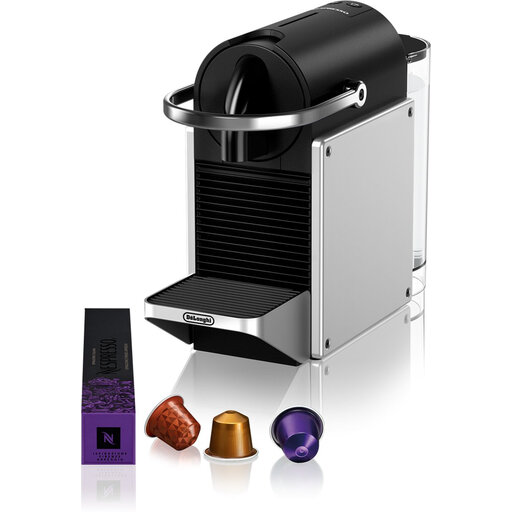
Nespresso Original De’Longhi EN127.S Pixie, silver
A good fit for a short break if you use Original capsules and want to keep preparation to a minimum; the product description doesn’t mention a ristretto setting.
System: Nespresso Original. Listed options: espresso and lungo. Water tank: 0.7 litres.
Joybuy
 No image available
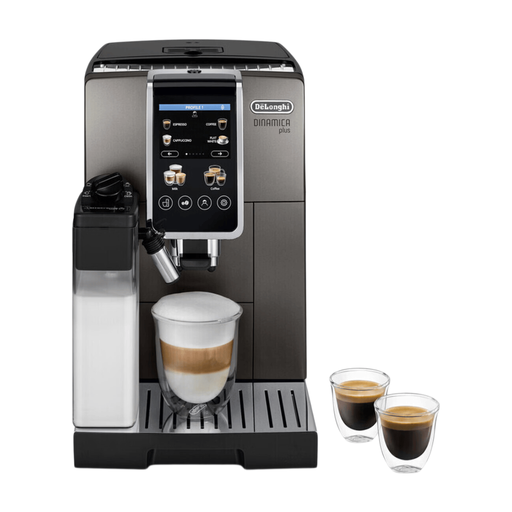
De’Longhi Dinamica Plus ECAM380.95.TB
A good fit if you regularly make coffee from beans and want to adjust the drink volume; check the smallest setting for your preferred ristretto.
The product description lists a built-in grinder, touchscreen controls and adjustable water volume.
Joybuy
 No image available
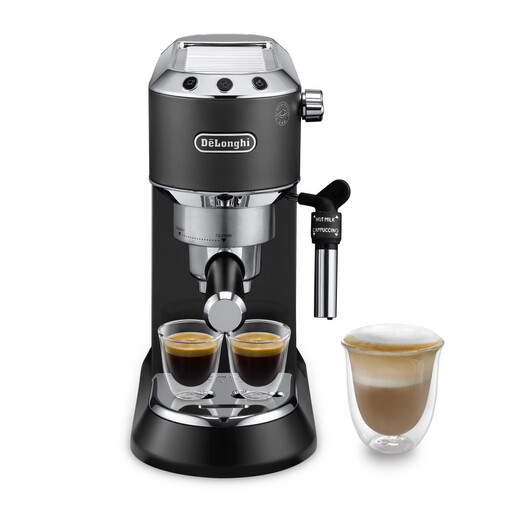
De’Longhi Dedica Style EC685.BK, black
A good fit if you want to use ground coffee and make your coffee manually; the product description doesn’t specify a minimum volume.
The coffee volume is adjustable. The filter mentioned for ESE pods must be purchased separately.
Joybuy
 No image available
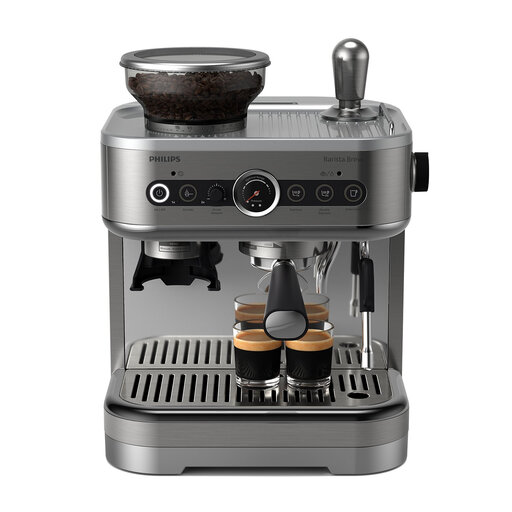
Philips Barista Brew PSA3218/01
A good fit if you want to make coffee from fresh beans and adjust the volume; dosing and tamping the coffee in the filter holder involve extra steps.
The product description lists a built-in grinder with 15 grind settings and a filter holder. Philips lists an adjustable espresso volume of 20–70 ml for Barista Brew; check whether this setting matches your preferred ristretto.
Joybuy
 No image available
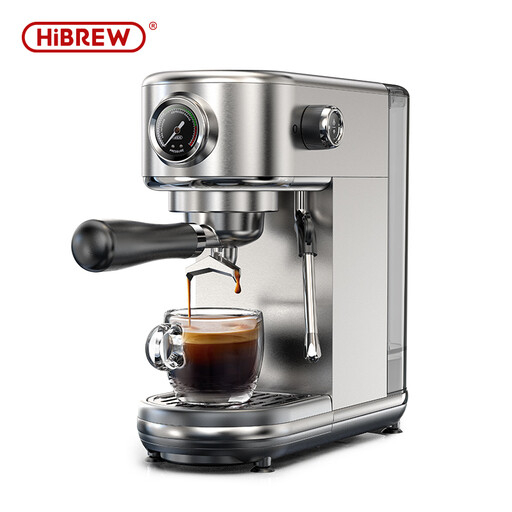
HiBREW H10B, 20 Bar
A good fit if you want to make your own coffee and adjust the volume, but the stated minimum determines whether it can make the cup size you want.
The product description gives an adjustable volume of 35–300 ml. Nespresso Netherlands lists 15 ml in a ristretto guide and 25 ml on the Pixie page; both volumes fall outside this stated range.
Joybuy
Frequently asked questions
Will an espresso button automatically make the ristretto I want?
No. First check how much coffee the exact model can dispense. Nespresso Netherlands lists 15 ml in a ristretto guide and 25 ml on the Pixie page, so decide what cup size you want and compare it with the available settings.
How do I keep an espresso machine clean?
Follow the maintenance instructions for the model you choose. Philips’ espresso machine guidance recommends cleaning the brew group weekly and monthly; refer to the model-specific manual for cleaning and descaling instructions.
Who should I contact about a faulty espresso machine in the Netherlands?
Contact the seller if the product doesn’t perform as you could reasonably expect under normal use. ACM ConsuWijzer explains that your statutory guarantee may apply alongside a manufacturer’s guarantee; the appropriate solution depends on the circumstances.
Does an electric espresso machine sold in the Netherlands have to meet product safety requirements?
Yes. Applicable European requirements apply to electrical equipment. Once these requirements have been assessed, the manufacturer must affix the required CE marking and draw up an EU Declaration of Conformity. Business.gov.nl, the Dutch government website, stresses that CE marking is not a quality mark.


