What should you look for when choosing?
Bean-to-cup machine
This is a good fit when: participants mainly need espresso quickly and making it isn’t part of the lesson.
Keep in mind: you’ll need to clean the brew group and, if the machine has a milk system, its components too.
Manual espresso machine
This is a good fit when: participants are learning to make espresso themselves and you have time for instruction and preparation.
Keep in mind: you’ll need to fill and clean the portafilter between shots.
Pod machine
This is a good fit when: the group is mainly focused on making and tasting mocha.
Keep in mind: you’ll need the right pods and will have to buy them regularly.
For this workshop, the key considerations are speed, the recipe, running costs and whether participants can practise making espresso.
| What to consider |
What to look for |
Who is this most important for? |
| Speed and steps |
Compare the brewing method, water tank and steps between cups; practise the workshop routine in advance. |
If participants are making drinks one after another, I want to make sure the brewing process doesn’t hold up the workshop. Around 36% of consumers say keeping the group moving is their top priority. |
| Iced mocha |
Check whether the model makes espresso and whether a specific version has the iced coffee function you want to use. |
I want to be able to combine espresso with chocolate, cold milk and ice, without needing a machine to make the entire recipe. Around 29% of consumers put iced mocha preparation first. |
| Running costs |
Factor in coffee, any pods or grinder, and maintenance when making your comparison, based on how you expect to use the machine. |
For regular workshops, I want to consider more than just the purchase price; I also need to think about the coffee I’ll use. Around 21% of consumers put total running costs first. |
| Practising espresso-making |
Check what steps the exact model requires and whether you have the time and space for practice rounds. |
If participants want to learn to make espresso themselves, I want to allow time for using the portafilter and explaining what to do. Around 14% of consumers put practising espresso-making first. |
Products for this workshop
These Joybuy products offer options for making espresso manually, brewing automatically and using capsules as the base for an iced mocha.
 No image available
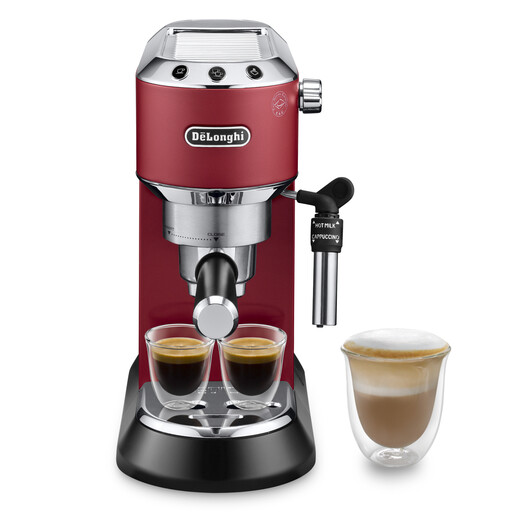
De’Longhi Dedica EC685.R, red
A manual option for workshops where participants want to make espresso themselves; add the chocolate, cold milk and ice separately.
View at Joybuy
 No image available
De’Longhi ECAM290.61.SB Magnifica Evo
A fully automatic option if you want to reduce the hands-on work involved in making coffee; add the other ingredients for mocha separately.
View at Joybuy
 No image available
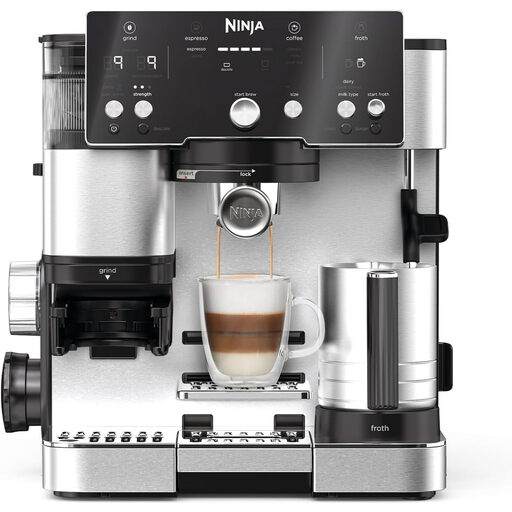
Ninja ES501EU Luxe Café 2in1
An option for anyone who wants to combine making espresso with practice; the product name lists a grinder and milk frother.
According to the product specifications, it makes one cup per brewing cycle, which matters if participants are making drinks one after another.
View at Joybuy
 No image available
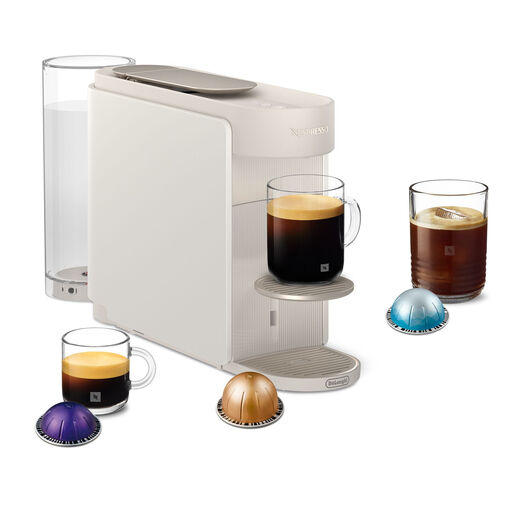
Nespresso Vertuo Up, De’Longhi ENV200.W
A capsule option for a simple coffee-making step; the product name lists a setting for iced coffee and milk recipes.
This machine is designed for Vertuo capsules. Add the chocolate, milk and ice for the mocha separately.
View at Joybuy
 No image available
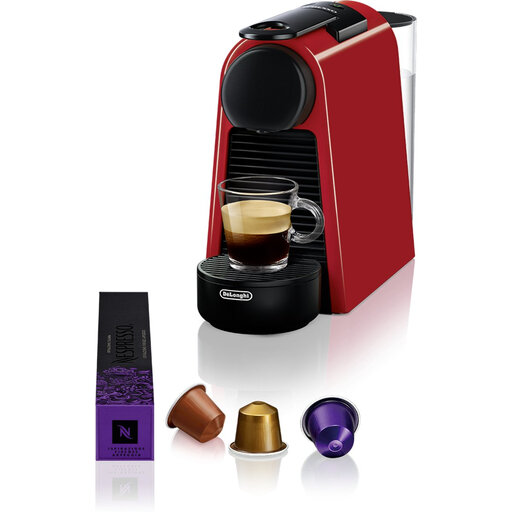
Nespresso Original, De’Longhi EN85.R Essenza Mini
A simple espresso option for a mocha tasting; adding the milk, chocolate and ice are separate steps in the recipe.
The machine uses Original capsules and has a 0.6-litre water tank. If you’re making several drinks, you may need to refill it.
View at Joybuy
Frequently asked questions
Do you need a machine with an iced coffee setting to make iced mocha?
No, you can make espresso separately and combine it with chocolate, milk and ice. Philips describes an iced coffee recipe for the EP3341/50R1, but the other ingredients aren’t added automatically.
What needs cleaning during the workshop?
Follow the instructions for your chosen model and allow time to deal with used coffee and clean the worktop. For LatteGo, Philips recommends rinsing the components after each use or washing the two parts in the dishwasher.
Do you need an extended warranty for an espresso machine?
You don’t need an extended warranty to have a statutory guarantee when buying as a consumer. According to the Dutch government, if a product develops a fault, you should contact the seller; check what extra rights an additional warranty offers. Different terms may apply to business purchases.
What rules apply if you serve mocha to workshop customers?
If you prepare or sell food or drink as a business, the NVWA says you must follow a food safety plan based on HACCP or an applicable, approved hygiene code. For drinks served without packaging, the NVWA says you must be able to tell customers which allergens are present. Whether this applies to a particular private workshop depends on how it is organised.
How should you store milk for the workshop?
Follow the storage temperature on the packaging. For businesses, the NVWA states that pre-packed food without storage temperature instructions should be kept at 7 °C or below; any more specific instruction on the label takes precedence.


