If you want to do as little as possible when you get home, choose a fully automatic machine with a suitable cold coffee and milk recipe. A portafilter machine is a better fit if you want to measure out the espresso, milk and ice yourself. Check what each model’s ‘iced coffee’ function actually does: the coffee may come out of the spout hot, and cold milk preparation varies by model. Also consider cleaning, available space and the supplies you’ll need on an ongoing basis.
Which espresso machine is right for you?
If you want an iced latte in a hurry
You want to keep things simple when you get home and are looking for a suitable cold coffee recipe, perhaps with automatic milk preparation. Bear in mind that ‘iced coffee’ doesn’t necessarily mean the coffee comes out of the spout cold.
If you want to make your own espresso
You want to decide how much espresso, cold milk and ice to use, and don’t mind preparing your drink by hand.
If you’re short on worktop space
You’re looking for a compact way to make espresso and are happy to add the milk separately.
What should you look for when buying?
First decide how much you want to do yourself. Fully automatic, portafilter and pod machines differ in how they make coffee, their milk options and the steps involved in daily use.
Fully automatic machine with a cold-drink recipe
A good fit if: you want to make an iced latte with minimal effort after a trip to the market. The De’Longhi Eletta Explore ECAM450.65.S EX:4 lists cold coffee and milk drinks; Philips lists iced coffees and a LatteGo milk system for the 5500 Series EP5547/90.
Bear in mind: a cold-drink programme doesn’t guarantee that the coffee comes out of the spout cold. Philips says the coffee comes out hot when using the iced coffee method described; milk components also need maintenance.
Portafilter machine with milk added separately
A good fit if: you want to measure out the espresso, milk and ice yourself. According to De’Longhi, the Netherlands-market De’Longhi Dedica Style EC685.M EX:4 is 15 cm wide and has a manual Cappuccino System.
Bear in mind: you’ll need to do more yourself. A system for steaming milk isn’t the same as automatic cold milk preparation.
Pod machine for a single espresso
A good fit if: you prioritise a compact machine and a quick espresso, and plan to add the milk and ice separately. The Nespresso Essenza Mini lists a 40 ml espresso.
Bear in mind: the product page reviewed doesn’t list integrated milk preparation. You’ll need to use pods and may need a separate way to prepare the milk.
| What to consider |
What should you look for? |
Who is this important for? |
| Cold coffee and milk |
Check the brewing method, drinks list and whether the model lists cold milk preparation. |
When I get home, I want both the coffee and the milk to work for a cold latte—not just a programme labelled ‘iced coffee’. Around 33% of consumers put suitable cold coffee and milk preparation first. |
| Speed and cleaning |
Check how many steps are automatic and which parts need cleaning after using milk. |
If I want to make something quickly, I also want to know what cleaning is involved afterwards. Around 27% of consumers prioritise keeping the steps involved in making a drink to a minimum. |
| Ongoing supplies |
Find out whether you’ll use beans, ground coffee or pods, and whether milk needs to be prepared separately. |
I want to know in advance which coffee and any separate milk preparation will suit the way I use the machine. Around 20% of consumers give the most weight to ongoing supplies. |
| Space and control |
Check the dimensions and how much of the preparation you want to do yourself. |
If space is limited or I want to measure things out myself, I want to know which steps and machine type will suit me. Around 20% of consumers give top priority to the space a machine takes up or the level of control they have. |
Common buying mistakes
-
Assuming ‘iced coffee’ means cold coffee with cold milk foam
A modified coffee-brewing method may still produce hot coffee, while cold milk preparation varies by model.
For the exact model, check the brewing method, drinks list and milk system separately.
-
Focusing only on convenience while making your drink
A fully automatic machine can take care of some preparation steps, but its parts still need cleaning and the machine needs descaling.
Check the care instructions before choosing, especially for parts that come into contact with milk.
-
Forgetting what else you’ll need
Depending on the system you choose, you may need beans or pods and a separate way to prepare milk.
Compare what you’ll need for the drinks you actually want to make, and check how to prepare and store the milk.
Relevant brands to consider
De’Longhi
Options include a fully automatic machine that lists cold coffee and milk drinks, and a manual machine for a narrower worktop.
- According to De’Longhi, the Eletta Explore ECAM450.65.S EX:4 lists cold espresso and cold latte drinks.
- According to De’Longhi, the Dedica Style EC685.M EX:4 is 15 cm wide and has a manual Cappuccino System; this doesn’t mean it offers automatic cold milk preparation.
Philips
The Netherlands-market 5500 Series EP5547/90 lists hot and iced coffees, and a LatteGo milk system.
- Philips lists 20 hot and iced coffees and a LatteGo system for the EP5547/90.
- According to Philips, the coffee comes out of the spout hot when using the iced coffee brewing method described. Check what ‘iced coffee’ means for each model.
Nespresso
The Essenza Mini is a compact pod machine for making a single espresso, with milk added separately.
- Nespresso lists a 40 ml espresso and a width of 8.4 cm for the Essenza Mini.
- The Netherlands-market product page doesn’t list integrated milk preparation, so bear in mind that you’ll need pods and a separate milk option.
KitchenAid
The Netherlands-market KF2, KF3 and KF4 ranges list an iced coffee function; check the milk options for each model.
- According to KitchenAid, the function brews coffee at a temperature around 5 °C below the lowest temperature setting.
- KitchenAid doesn’t guarantee that the coffee comes out of the machine chilled; the method uses a cup of ice.
Joybuy products for espresso and iced lattes
These machines can make espresso to use as the base for an iced latte. Depending on the model, you can prepare the drink yourself and add ice and milk; if a cold function is listed, check exactly how it works.
 No image available
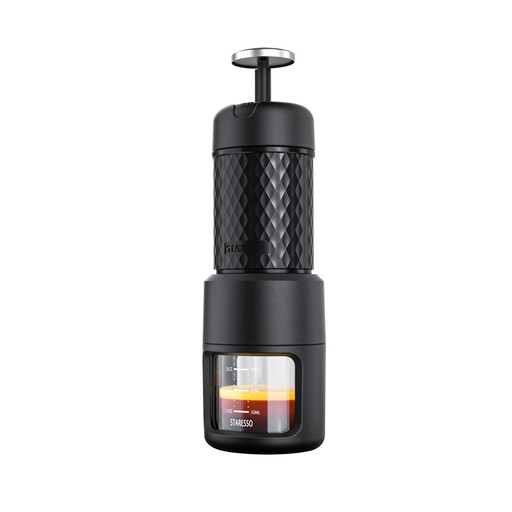
STARESSO portable manual espresso machine
For anyone who wants to measure out their own espresso before adding ice and cold milk. The product information lists manual press operation and a capacity of up to 24 g of ground coffee per brew.
View at Joybuy
 No image available
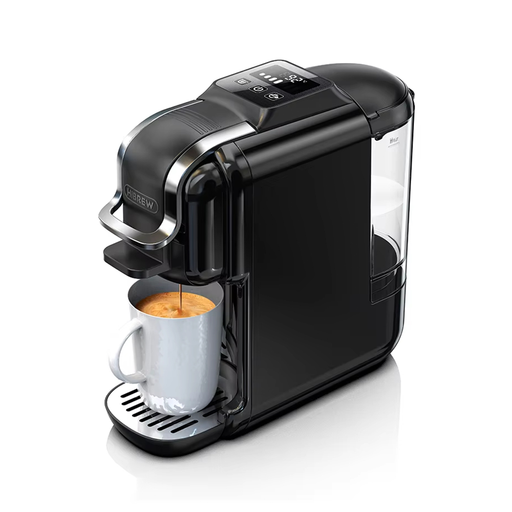
HiBREW H2C 5-in-1 coffee machine
For anyone looking for a machine with several preparation options. The product title lists hot and cold extraction, a touchscreen and compatibility with several capsule types.
View at Joybuy
 No image available
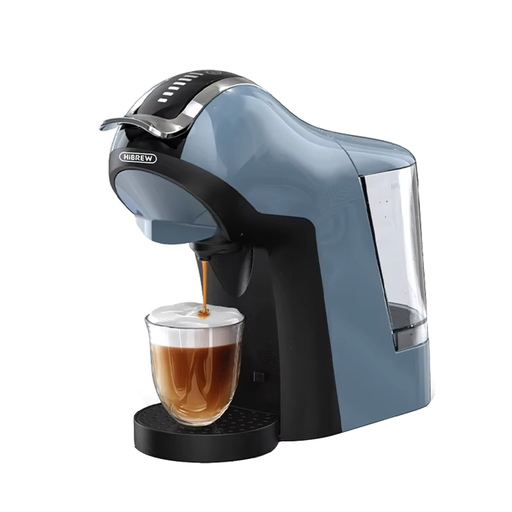
HiBREW H17 4-in-1 capsule coffee machine
For anyone who wants to choose their own brewing settings. The product title lists hot and cold extraction, several capsule types and seven adjustable water pressure levels.
View at Joybuy
 No image available
IAGREEA espresso machine, 20Bar
For anyone who wants to make their own espresso and add ice and cold milk themselves. The product title lists a pressure gauge, steam wand, cup warmer and a removable 1.1 L water tank.
View at Joybuy
 No image available
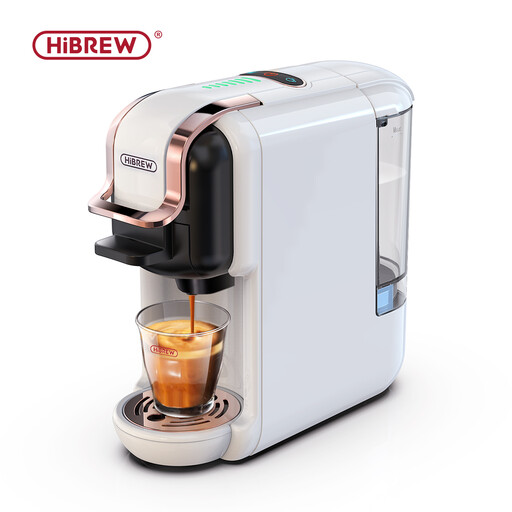
HiBREW H2B 5-in-1 coffee machine, white
For anyone who wants to use different coffee systems. The product title lists hot and cold preparation, capsules and ground coffee.
View at Joybuy
Frequently asked questions
Does an iced coffee programme dispense cold coffee?
Not necessarily. Philips says the coffee comes out of the spout hot when using the iced coffee method described. KitchenAid describes coffee brewed around 5 °C cooler than the lowest temperature setting, which is then poured into a glass with ice. Check the instructions for the exact model.
How should I store milk for an iced latte after a trip to the market?
Follow the storage advice on the packaging and, after use, put opened semi-skimmed milk back in the fridge promptly at 4 °C, as advised by Voedingscentrum. Clean the milk components according to the machine’s instructions; which parts need cleaning varies by system.
Does a two-year manufacturer’s guarantee cover the full statutory warranty in the Netherlands?
No. According to the Dutch government, there is no fixed statutory warranty period in the Netherlands: you’re entitled to a product that works as it should, with factors such as the product and its expected lifespan taken into account. If a product is faulty, the retailer is your point of contact; a manufacturer’s guarantee is in addition to your statutory rights.
What safety rules apply to an electric espresso machine in the Netherlands?
Electrical appliances sold in the Netherlands must meet the applicable European safety requirements. Ondernemersplein lists CE marking and an EU Declaration of Conformity as requirements for the manufacturer. This doesn’t mean that any machine mentioned here has been independently assessed for compliance.


