Choose according to how much of the milk preparation you want to do yourself: a capsule machine makes espresso but requires a separate step for frothing the milk, a portafilter machine involves more hands-on preparation, and a bean-to-cup machine takes care of more of the process for you. Also compare how much cleaning is needed after using milk, how much space the complete set-up will take, and the cost of coffee for the number of cups you expect to make. To make a honey latte, stir the honey into the espresso and add the milk, frothed separately; don’t assume the machine has a honey programme.
Which espresso machine is right for you?
Quick single-cup maker
You usually want to make one honey latte without too many preparation steps. Check how you’ll froth and clean the milk: a capsule machine may need a separate milk frother, while some bean-to-cup machines have an integrated milk system. Philips describes this feature on the EP2333/40; Nespresso also sells milk frothers separately.
Home barista making small servings
You want to control the espresso and milk preparation yourself, and don’t mind a few extra steps. With a portafilter machine, for example, dosing and tamping are part of the process; models vary in how you froth the milk. The Consumentenbond describes portafilter machines as one of the espresso machine options.
Buyer short on space or mindful of running costs
You want the machine and any separate milk frother to fit in your kitchen. Also compare the cost of the coffee you’ll use regularly: the Consumentenbond distinguishes between the purchase cost of a machine and the cost per cup.
Which buying considerations matter most?
When making small servings of honey latte, the choice mainly comes down to balancing convenience, control over the preparation, and the space and cost of the complete set-up.
Capsule machine with a separate milk frother
A good fit if: you mainly want an easy way to make espresso and are happy to froth the milk as a separate step.
The trade-off: check whether a milk frother is included in the set-up you choose. The Consumentenbond says capsules cost more per cup than coffee made from beans.
Portafilter machine
A good fit if: you want to make the espresso yourself and include milk preparation in your routine; how you operate the machine varies by model.
The trade-off: dosing and tamping remain part of the preparation. Some models require you to froth the milk by hand, while others offer adjustable automatic milk frothing, as Sage describes for the Bambino Plus.
Bean-to-cup machine with a milk system
A good fit if: you’d rather do fewer steps yourself when making coffee with milk.
The trade-off: the milk system still needs cleaning. Philips describes the EP2333/40’s LatteGo system as having two parts and no tubes; this alone doesn’t tell you how long the full cleaning routine takes.
| Consideration |
What to look for |
Who should pay particular attention? |
| Cleaning after one cup |
Check which parts of the complete milk system need attention after use. Philips describes the EP2333/40’s LatteGo as a two-part system with no tubes. |
After one cup, I want as few milk parts as possible to clean. Around 33% of consumers put minimal tidying first. |
| Control over the espresso and milk |
Check whether the milk is prepared automatically, manually or using a separate appliance, and what settings the model offers. |
If I want to adjust the espresso and milk texture myself, the preparation method is key; around 27% of consumers prioritise that control. |
| Space for the set-up |
Measure the space for the machine, any separate milk frother and the room you’ll need while using them. |
With limited worktop space, I want to know whether the complete espresso and milk set-up will fit. Around 20% of consumers put limited space first. |
| Costs for your usage |
Compare the number of cups you expect to make with the coffee you’ll use, as well as any separate milk accessories. The Consumentenbond distinguishes between the lower typical purchase cost of a capsule machine and the higher cost of coffee per cup. |
I want to weigh up the purchase price and ongoing costs against the number of cups I’ll actually make; around 20% of consumers prioritise total running costs. |
Common honey latte buying pitfalls
-
Assuming an espresso button means a complete latte function
An espresso or lungo function doesn’t mean the machine can froth milk too. With a capsule machine, preparing the milk may be a separate step; Nespresso sells milk frothers separately.
Before buying, check how you’ll heat and froth the milk, and whether the set-up you’ve chosen includes the parts you need.
-
Comparing purchase prices alone
The cost of a machine and the cost per cup are two different things. The Consumentenbond says capsules cost more per cup than coffee made from beans, while the typical purchase price of capsule machines is lower.
Compare the costs for the number of cups you expect to make, and include any separate milk accessories.
-
Assuming a quick-clean milk system means less maintenance overall
A cleaning claim for one milk system doesn’t automatically tell you anything about the brew group or the machine’s other maintenance needs.
Follow the maintenance instructions for the complete model and clean away milk residue as directed in the manual. Philips warns that milk can dry inside the system.
Brands to consider
Philips
The EP2333/40 is an example of a bean-to-cup machine with automatic milk preparation, suited to anyone who wants fewer steps.
- Philips lists four drinks for this model and a two-part LatteGo system with no tubes.
- The milk parts still need cleaning; a claim about the milk system doesn’t describe the complete maintenance routine.
Sage
The Bambino Plus combines portafilter espresso preparation with adjustable automatic milk frothing.
- According to Sage, you can choose from three milk temperatures and three texture levels.
- Dosing and tamping remain part of making espresso with a portafilter. Claims about flavour or foam quality aren’t independent comparative findings.
De'Longhi
The Dedica Style EC685.R EX:4 is a manual portafilter machine with a milk-frothing system.
- De'Longhi lists a width of 15 cm and an adjustable cappuccino system for this model.
- Preparing the milk and espresso involves manual steps; allow space for the complete preparation when planning your set-up.
Nespresso
The Essenza Mini for Original capsules is a compact way to make espresso, with milk preparation as a separate step.
- For the machine described, Nespresso lists a 40 ml espresso and dimensions of 8,4 × 20,4 × 33 cm.
- Nespresso sells milk frothers separately. Check whether a milk frother is included with the version you choose.
Espresso machines on Joybuy for small honey lattes
This selection includes portafilter machines, bean-to-cup machines and a capsule machine for making small servings of espresso and milk. Before buying, check the safety and conformity information for the exact version you’re choosing. A honey latte also requires a separate step to stir the honey into the espresso.
 No image available
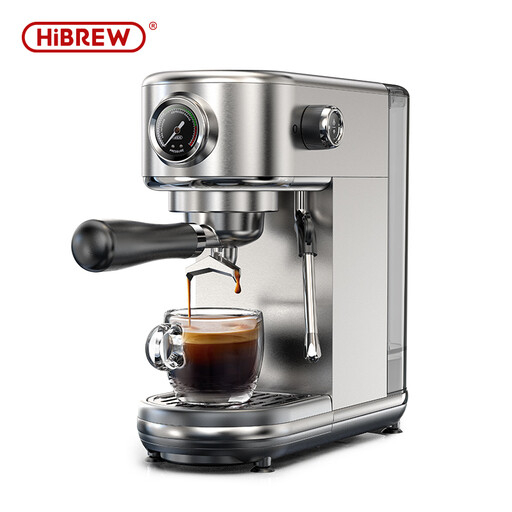
HiBREW H10B
The described one- and two-cup settings and steam wand are suited to small servings where you froth the milk yourself.
Semi-automatic espresso machine; adjustable shot volumes, extraction and steam temperatures; removable water tank.
View on Joybuy
 No image available
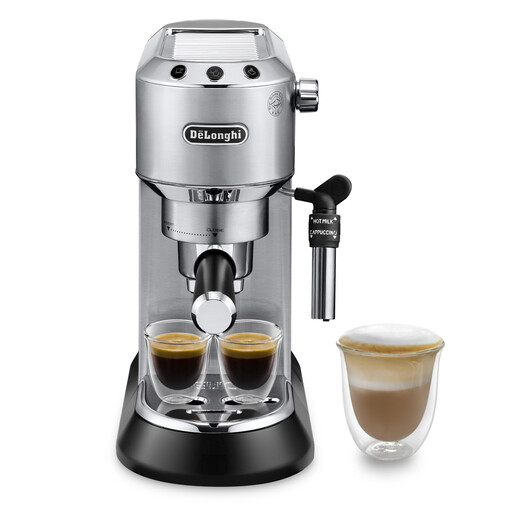
De'Longhi Dedica EC685
This portafilter machine is suited to anyone who uses ground coffee and wants to froth milk by hand with a steam wand.
The description lists a width of 14,9 cm and a removable water tank. According to the product description, E.S.E. pods require a separate filter.
View on Joybuy
 No image available
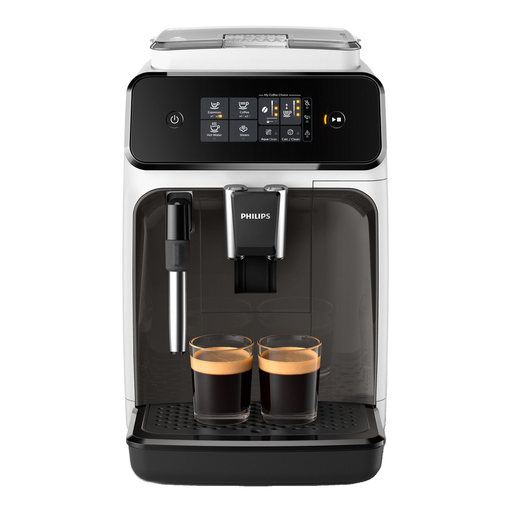
Philips 1200 Series EP1223/00
This model grinds beans for each cup and has a classic milk frother, so you can make espresso automatically and froth the milk yourself.
12-setting ceramic grinder; adjustable coffee strength and volume. The product name lists a 1,8-litre tank.
View on Joybuy
 No image available
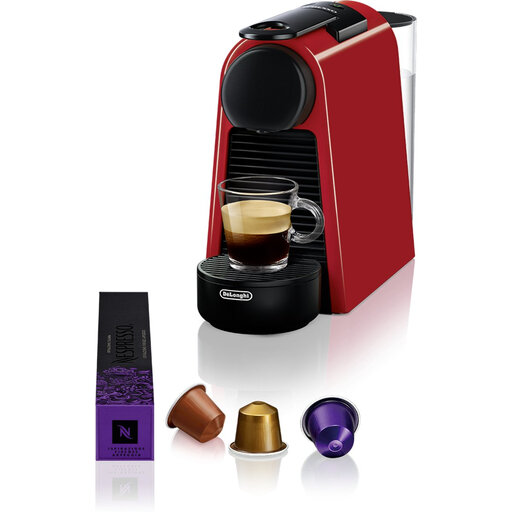
Nespresso Original De'Longhi EN85.R Essenza Mini
This capsule machine makes espresso; for a honey latte, prepare the milk separately and check which milk frother is right for your set-up.
The description lists programmable volumes of 40 ml for espresso and 110 ml for lungo. The product name lists a capacity of 0,6 litres.
View on Joybuy
 No image available
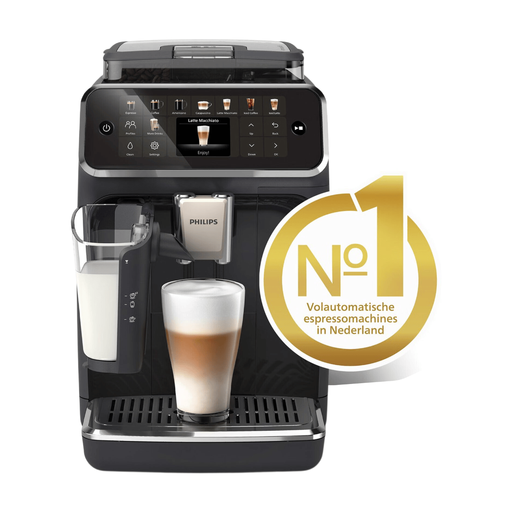
Philips EP5541/50 LatteGo Series 5500
The described automatic milk preparation is suited to anyone who wants fewer manual steps; the LatteGo system still needs cleaning after use.
The product name lists 20 drinks, a 12-setting ceramic grinder and a 1,8-litre tank. The product description mentions LatteGo parts that can be cleaned.
View on Joybuy
Frequently asked questions
Does an espresso machine need a special honey latte programme?
No, the recipe described doesn’t need a special programme: make the espresso, stir in the honey and add milk that has been frothed separately. The Starbucks at Home recipe describes these preparation steps; that doesn’t mean a machine has a built-in honey programme.
What should I clean after making coffee with milk?
Follow the instructions for the specific milk system and clean away milk residue as directed. Philips warns that milk can dry inside the system; a separate milk frother, steam wand and integrated milk system may each have a different cleaning routine.
Are capsules always cheaper if I only make a few cups?
Not per cup: the Consumentenbond says coffee from capsules costs more than coffee made from beans, although the typical purchase price of a capsule machine is lower. Compare these costs for the number of cups you expect to make and check current prices.
What should I check for electrical safety?
Electrical equipment covered by the EU Low Voltage Directive must meet the applicable safety requirements and CE marking rules. EUR-Lex and Your Europe describe these EU rules; check the information for the exact version. CE marking is not a certificate issued by a single central EU body.
Can a baby under one year old have honey?
No, don’t give honey to a baby under one year old. The Voedingscentrum advises against it because of the risk of botulism bacteria spores; this is unrelated to which espresso machine you choose.


