
Make a milky coffee quickly
You want to make espresso and warm milk with minimal effort after your evening class, and know in advance what cleaning the milk system involves.


If you want to make a hazelnut latte with minimal effort after an evening class, consider a bean-to-cup machine with automatic milk preparation. If you’d rather control the espresso and milk yourself, a traditional espresso machine may suit you better. A capsule machine can simplify the coffee-making step, but check whether the exact model can prepare milk and which capsule system it uses. In a De’Longhi recipe, hazelnut syrup goes into the glass, so you don’t need a dedicated hazelnut programme. If you drink coffee late in the evening, also bear in mind your personal sensitivity to caffeine.
You want to make espresso and warm milk with minimal effort after your evening class, and know in advance what cleaning the milk system involves.
You want to add a hazelnut flavour and, when having coffee late, keep an eye on caffeine and make sure the coffee input is compatible with your machine.
You want to control how the espresso and milk are prepared, and are happy to take a few extra steps.
For a hazelnut latte after an evening class, the key considerations are ease of brewing, cleaning the milk parts, coffee input and suitability for late-night use.
| What to consider | What should you check? | Who is this important for? |
|---|---|---|
| Making a latte quickly | Check whether the exact model prepares milk automatically, has a steam wand or needs a separate milk frother. | After class, I want to make a latte with as few steps as possible. Around 36% of consumers prioritise ease of preparation. |
| Cleaning the milk parts | Find out what needs cleaning after each use and what other maintenance steps are specified in the manual. | After a late-night latte, I want to know how much cleaning is involved. Around 29% of consumers prioritise ease of cleaning. |
| Coffee input and control | Compare the coffee types the machine can use, its milk preparation and maintenance requirements. Also check which parts are included with the version you’re considering. | I want to retain some control over my coffee and weigh up the costs for my own use. Around 21% of consumers prioritise cost and control. |
| Late-night coffee | Check that your preferred decaffeinated coffee is compatible with the input system. For noise levels, look for comparable, independent measurements. | If I drink coffee late, I want to consider the caffeine and avoid relying on conflicting noise claims. Around 14% of consumers prioritise evening use. |
The coffee input and the number of cups you expect to make will affect which costs you should compare.
Compare machines based on how you’ll use them, and check which milk-preparation features and parts come with each version.
Automatic milk preparation doesn’t remove the need to clean the milk parts. Philips recommends cleaning the LatteGo parts described after every use; Krups provides separate instructions for the Evidence milk system.
Read the care instructions for the exact model before choosing, and allow time to clean it after making a latte.
A capsule system tells you which coffee the machine uses, but doesn’t in itself mean that it has a milk function.
Check the milk function on the exact model, or see whether you’ll need a compatible separate milk frother.
Different model numbers may mean that the product information doesn’t clearly refer to a single version.
Check the model number and key specifications of the specific listing before assuming it is the version you have in mind.
The LatteGo bean-to-cup models we looked at are worth considering if you want automatic milk preparation and milk parts that are easy to clean.
The Dedica Style EC685.BK EX:4 we looked at is a manual option for anyone who wants to froth milk themselves.
The Creatista Plus we looked at combines Original capsules with automatic milk preparation.
The Evidence One EA895E10 we looked at is a bean-to-cup machine with milk-based drinks and customisable favourites.
These bean-to-cup machines are designed to make a latte with minimal effort after an evening class. Check the coffee input and cleaning steps for each model to make sure they suit your preferences.
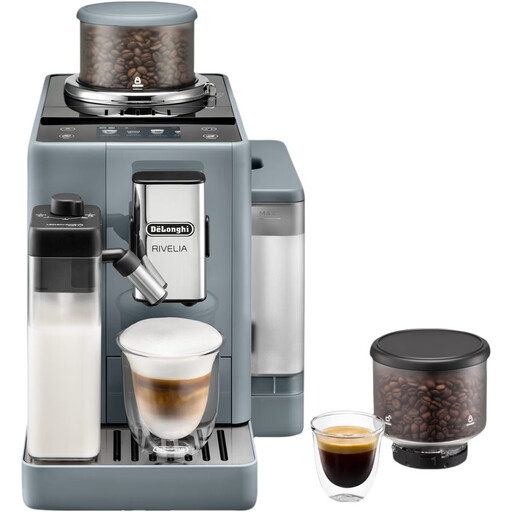 Image unavailable
The product information lists automatic milk-based drinks for anyone who wants to keep things simple after class.
The product name mentions the LatteCrema system. The description lists two interchangeable bean containers.
 Image unavailable
The description says you can froth milk at the touch of a button, making a latte with minimal manual effort.
The product information lists a dishwasher-safe LatteGo system. Check the exact version before buying: the information also mentions model number EP5549/70.
 Image unavailable
The description lists milk-based drinks at the touch of a button, for anyone who doesn’t want to steam milk themselves.
The product information lists 13 grinder settings, adjustable coffee strength and temperature, and a removable milk container that can be stored in the fridge.
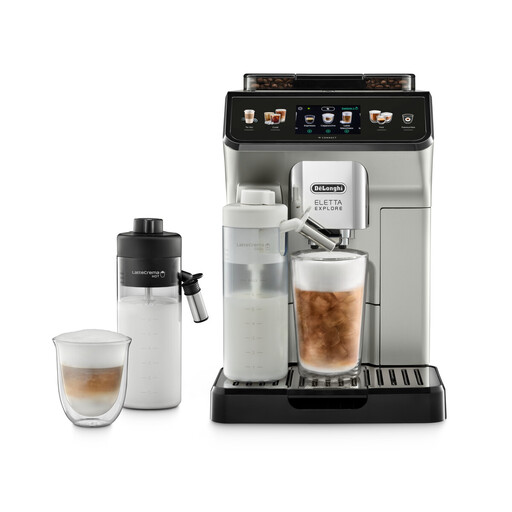 Image unavailable
The product information lists automatic milk preparation for latte and cappuccino drinks.
The product name lists 13 drinks; the description mentions customisable recipes and caffè latte.
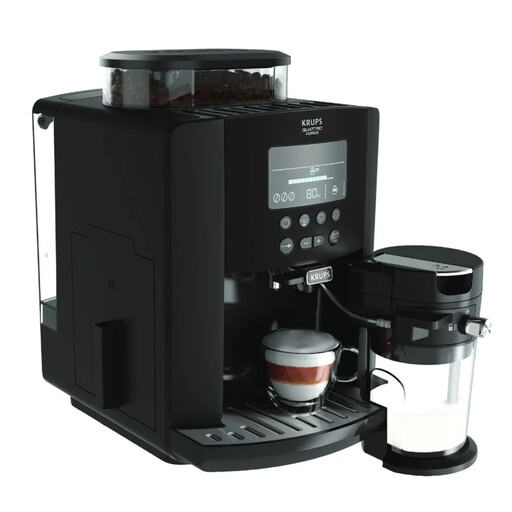 Image unavailable
The description lists automatic milk frothing at the touch of a button for drinks including latte macchiato.
The product information lists a 1.70-litre water tank and the option to make two cups at once.
No, not for the method in De’Longhi’s recipe: hazelnut syrup goes into the glass, along with frothed milk and espresso. Separately, check that your machine can prepare espresso and milk in the way you want.
Follow the manual for the exact model. Philips recommends rinsing the two LatteGo milk parts or cleaning them in the dishwasher after every use. This guidance doesn’t automatically apply to other milk systems.
The Voedingscentrum advises returning opened milk to a 4 °C fridge promptly after use. Also check the packaging for storage advice for the type of milk you’re using.
Yes. If caffeine affects your sleep, check that your preferred decaffeinated coffee is compatible with your machine’s input system. The Voedingscentrum says caffeine can cause problems including difficulty sleeping, and that its effects vary from person to person.
According to the Dutch government, you’re entitled to a product that works properly, and the seller must provide a solution if there’s a fault. The Netherlands has no fixed statutory warranty period of two years; a manufacturer’s warranty is separate from your statutory rights.