If you want the machine to handle most of the preparation, choose a bean-to-cup machine whose specific model has a flat white recipe and an automatic milk system. A portafilter machine is a better fit if you want to control the espresso and milk texture yourself, while a capsule machine with a separate milk frother is an option if you use capsules and don’t mind a few extra steps. With all three types, compare what’s involved in making several cups and how much cleaning is needed after using milk.
Which type of espresso machine is right for you?
The host who wants to serve quickly
You want to make a flat white with minimal fuss just before your guests arrive. Look for a flat white recipe on the specific model, and check how many steps are involved in preparing the milk for each cup. The Consumers’ Association distinguishes between bean-to-cup, capsule and portafilter machines as different ways of making coffee.
Fan of fine microfoam
You want to influence the espresso and milk texture yourself, and are happy to practise and prepare them separately. A steam wand works differently from an automatic milk system, so check which settings the specific machine offers.
Maintenance-conscious home user
You want to avoid a lot of hassle with milk residue after your guests have left. Compare the cleaning instructions for the milk components on the specific machine, rather than relying on the name of a rinse programme. The Consumers’ Association recommends cleaning parts that come into contact with milk every day.
What should you look for when choosing?
Bean-to-cup machine with an automatic milk system
Best for: you want as few manual preparation steps as possible before your guests arrive, and choose a model with a flat white recipe.
Bear in mind: automatic milk preparation doesn’t eliminate the need to clean the milk components.
Portafilter machine with a steam wand
Best for: you want to control the espresso and microfoam yourself, and are willing to practise the separate steps.
Bear in mind: making espresso and frothing milk are separate tasks; clean the steam wand after use.
Capsule machine with a milk frother
Best for: you prefer using capsules and don’t mind preparing the milk separately.
Bear in mind: you’ll need a frother for the milk; check whether one is included with the machine you choose.
| What to consider |
What to look for |
Who should consider this? |
| Fewer preparation steps |
Check whether the specific model offers flat white and how the milk is added. Don’t assume that a two-cup function means it can make two complete milk-based drinks at once. |
If I want to make several cups just before guests arrive, I want to know how many steps each drink takes. Around 36% of consumers say ease of use is their top priority. |
| Milk texture and control |
Check whether the machine has settings for milk texture and whether you can adjust the amount of espresso. |
If I want to fine-tune the microfoam and espresso myself, I’m happy to accept a few extra steps. Around 29% of consumers prioritise control over milk texture. |
| Cleaning after using milk |
Compare the instructions for rinsing straight away, daily cleaning and removing parts. |
After making drinks, I want to know how much cleaning the milk components need. Around 21% of consumers make easy milk-system maintenance their top priority. |
| Overall cost and space |
Factor in any separate frother, the coffee you’ll need and the dimensions of the complete set-up when comparing your options. |
If I have limited worktop space or want to weigh up running costs, I look at the whole set-up rather than just the machine. Around 14% of consumers prioritise cost and space. |
Common buying mistakes
-
Assuming ‘two cups’ means two complete flat whites at once
A stated number of servings or a double-shot function doesn’t necessarily mean the machine can make two milk-based drinks at the same time.
For the specific model and recipe you’ve chosen, check the manual or product specifications to see whether it can prepare two milk-based drinks.
-
Assuming an automatic milk rinse is all the maintenance you need
Parts that come into contact with milk still need cleaning. The Consumers’ Association recommends cleaning these parts every day.
Compare the machine’s full cleaning instructions, even if it has an automatic rinse programme.
-
Comparing only the purchase price of a capsule machine and a bean-to-cup machine
A capsule machine may need a separate milk frother. The Consumers’ Association notes that capsules cost more than beans; running costs also depend on how many cups you make.
Compare the machine, the milk accessories you’ll need and the coffee that suits how you plan to use it.
Brands to compare
De’Longhi
The Rivelia EXAM440.55.G is a bean-to-cup machine whose Dutch product specifications list a flat white recipe and LatteCrema Hot.
- The manufacturer lists automatic milk preparation and interchangeable bean hoppers for this model.
- A double-shot function doesn’t automatically mean it can make two complete milk-based drinks at once. The milk components still need cleaning.
Philips
The Dutch product listing for the 5500 LatteGo EP5541/50 includes flat white as a pre-programmed drink.
- Philips lists LatteGo and customisable recipes for this model.
- The stated number of servings doesn’t confirm that it can make two complete flat whites at once.
Sage
The Barista Touch Impress BES881 is designed for making espresso with guided steps and an adjustable steam wand.
- Sage says the automatic steam wand has eight texture levels; milk can also be frothed manually.
- Preparing espresso and milk still involves separate steps, so this isn’t fully automatic milk preparation.
Siemens
The EQ700 integral TQ717R03 lists flat white as a milk-based drink and, according to the manufacturer, has an integrated milk container.
- The TQ717R03 is listed with a 2,4 l water tank.
- Check that the stated depth of 467 mm will fit in your kitchen; these specifications apply to this model, not every EQ700.
Nespresso
An Original capsule machine with a milk frother offers a different way to make your drink. The Essenza Mini makes espresso; you’ll need a separate frother for the milk.
- Nespresso describes a flat white made with a double espresso or ristretto and finely frothed milk.
- Check which milk frother is supplied with the machine you choose; making the coffee with capsules and preparing the milk are separate steps.
Joybuy products for flat whites
This selection features automatic espresso machines with milk preparation. Check whether flat white is specifically listed as a recipe for each model.
 No image available
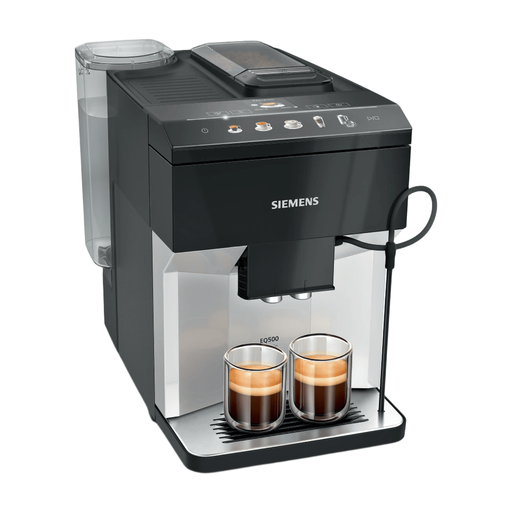
Siemens EQ500 TP511R01, light silver
This bean-to-cup machine with a cappuccinatore milk system could suit you if you want to prepare milk drinks with less manual effort. Check whether this specific model has a flat white recipe.
View at Joybuy
 No image available
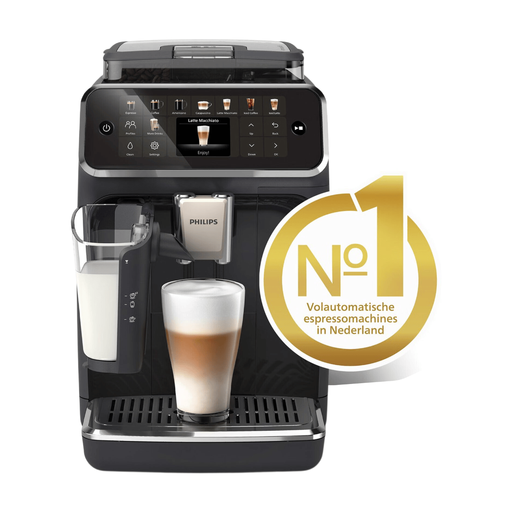
Philips EP5541/50 5500 Series LatteGo
Philips lists a flat white recipe for this model, while LatteGo offers an automatic way to prepare milk.
The product specifications list 20 pre-programmed drinks. Check the cleaning instructions for the milk components.
View at Joybuy
 No image available
De’Longhi Rivelia EXAM440.55.G, Pebble Grey
For this model, De’Longhi lists a flat white recipe and automatic milk preparation, making it a good fit if you want fewer manual steps.
The manufacturer lists interchangeable bean hoppers. The milk components still need cleaning.
View at Joybuy
 No image available
Philips 5500 Series EP5547/90 LatteGo
This fully automatic machine with LatteGo is an option if you want to make milk-based drinks with less manual preparation. Check whether this specific model has a flat white recipe.
The milk components need cleaning; follow the instructions for this model.
View at Joybuy
 No image available
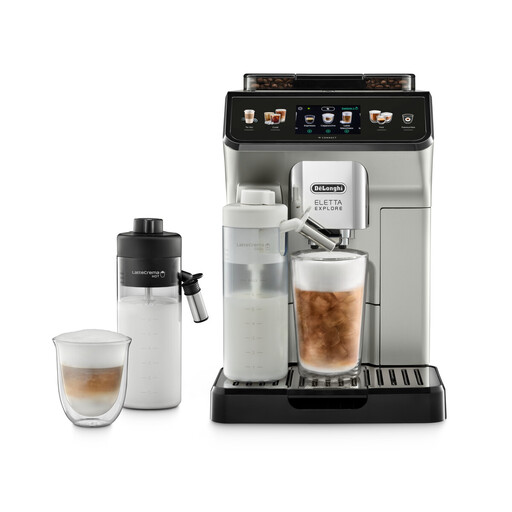
De’Longhi Eletta Explore ECAM450.65, silver
The description lists an automatic LatteCrema milk system for those who want to prepare milk drinks with less manual effort. Check whether this specific model has a flat white recipe.
The product title lists 13 drinks. Follow the model-specific cleaning instructions for parts that come into contact with milk.
View at Joybuy
Frequently asked questions
Can I make a flat white with an espresso machine that only makes espresso?
Yes, as long as you can also froth the milk finely. Nespresso describes a recipe using a double ristretto or espresso and a thin layer of microfoam. Check whether a milk frother comes with the machine you choose or needs to be bought separately.
What should I do with the milk and milk components after making coffee?
Follow your machine’s cleaning instructions. The Consumers’ Association recommends cleaning a steam wand straight after use and cleaning parts that come into contact with milk every day. The Netherlands Nutrition Centre advises putting milk back in a fridge at 4 °C and not leaving perishable milk out of the fridge for more than two hours.
What costs and warranty rights should I consider after buying in the Netherlands?
Compare the cost of beans or capsules and any separate milk frother with the price of the machine. If a product doesn’t conform to the agreement, the retailer is your point of contact. According to the Dutch government, statutory consumer guarantees in the Netherlands don’t have a fixed two-year term.
Does an electrical appliance sold in the Dutch market need a CE mark?
The Dutch government states that electronic appliances in the EU must carry a CE mark. If in doubt, check the product and retailer information; a CE logo on its own doesn’t confirm that a specific product has been independently checked.


