
Home barista making one or two cups
You want control over the espresso and milk texture, but don’t need a machine designed for making large quantities. Consumentenbond describes differences in control and operation between types of milk frother.


For one or a few flat whites, a manual espresso machine is a good fit if you want to control the espresso and milk froth yourself. A bean-to-cup or capsule machine may suit you better if you’d prefer fewer preparation steps or a dedicated flat white recipe. Consumentenbond describes the differences in control and operation between steam wands and milk systems. Also consider how much worktop space you have and how much cleaning is needed after using milk.
You want control over the espresso and milk texture, but don’t need a machine designed for making large quantities. Consumentenbond describes differences in control and operation between types of milk frother.
You make a small number of milk-based drinks and want to keep the number of steps to a minimum. Check whether the exact model includes a flat white recipe.
You want to make espresso with milk at home, but the space available for the machine and using it will help determine which type is right for you.
| What to consider | What should you check? | Who is this important for? |
|---|---|---|
| Milk texture | Check whether the model has a manual or automatic steam wand, which settings are available and how to clean it after use. | If I want to control how fine the milk froth is, I’ll focus on how the milk is prepared and whether I have space to practise. Around 36% of consumers in this situation prioritise milk texture. |
| Ease of preparation | Look for flat white in the drinks menu for the exact model. Don’t assume it has a flat white recipe just because it offers a cappuccino option. | If I want to make a milk-based drink in just a few steps, I’ll look for a suitable preset recipe or automatic milk preparation. Around 29% of consumers give ease of preparation top priority. |
| Worktop space | Compare the machine’s dimensions and allow extra space for filling the water tank, a milk jug and any accessories. | If I have limited worktop space, I’ll want to know how much room the machine takes up when in use. Around 21% of consumers prioritise space. |
| Cleaning and coffee format | Read the cleaning instructions for parts that come into contact with milk, and check whether you want to use beans, ground coffee or capsules. | After making one drink, I want to know how much maintenance the milk parts need and which coffee format best suits my routine. Around 14% of consumers prioritise cleaning and their chosen coffee system. |
A milk-based drink on the menu doesn’t automatically mean that the exact model has a separate flat white recipe.
Check the drinks menu for the full model number. If you want to control the proportions yourself, also look for adjustable quantities or a steam wand.
Even with automatic milk preparation, parts that come into contact with milk need to be cleaned.
Before you buy, check which parts need cleaning after use and follow the instructions for the specific model.
The machine’s width doesn’t tell you how much space you’ll need to prepare your coffee or store any accessories.
Measure the space for the machine and for preparing coffee and milk. Also check which accessories are included with the model.
These models show different ways to make espresso and milk for smaller servings. The features listed apply to the specific models, not every product from each brand.
The Dedica Duo EC890.M is a slim manual espresso machine with manual milk texturing.
The Bambino Plus SES500BSS4EEU1 combines portafilter brewing with automatic milk texturing.
The EQ700 TP723E09 is a bean-to-cup machine with a dedicated flat white option.
The Creatista Plus combines a capsule system with automatic milk preparation using a steam wand.
The LatteGo 5500 EP5544/50 lets you adjust the quantities of coffee and milk.
This selection of Joybuy products focuses on manual espresso and bean-to-cup machines for making espresso with milk in smaller servings.
 No image available
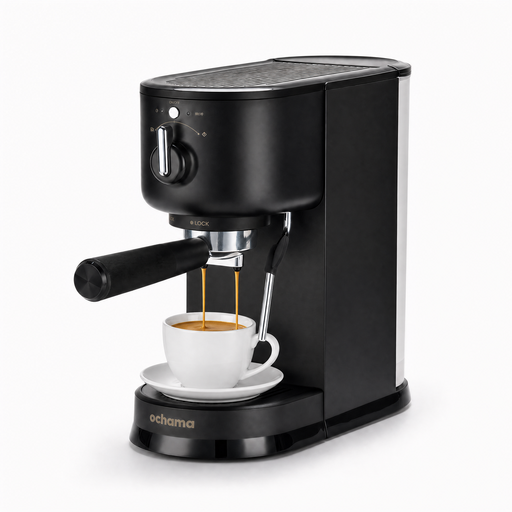
The product description mentions espresso extraction and a built-in steam milk frother, for those who want to combine espresso and milk themselves.
The product name lists 15 bar and a 1.25 l water tank. The description also mentions a removable tank and washable parts.
 No image available
The description mentions a portafilter and manual steam wand, making it a good fit if you want to prepare espresso and milk yourself.
The product name lists 20 Bar and a removable 1.1 l water tank. Using the steam wand means an extra step every time you prepare a milk-based drink.
 No image available
The product description mentions a portafilter and manual steam wand for making flat whites.
The product name lists 20 Bar and a 50 Oz water tank. Preparing the milk manually adds an extra step for every cup.
 No image available
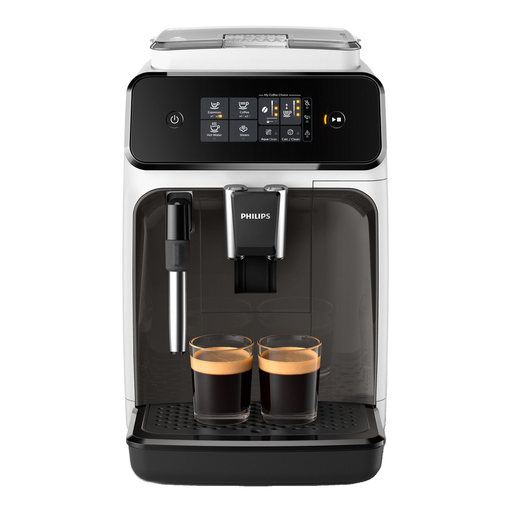
The description mentions a classic manual milk frother, making it a good choice if you want to prepare the coffee and milk separately.
The product name lists a 1.8 l tank, 15 bar and a ceramic grinder. The milk frother is manual.
 No image available
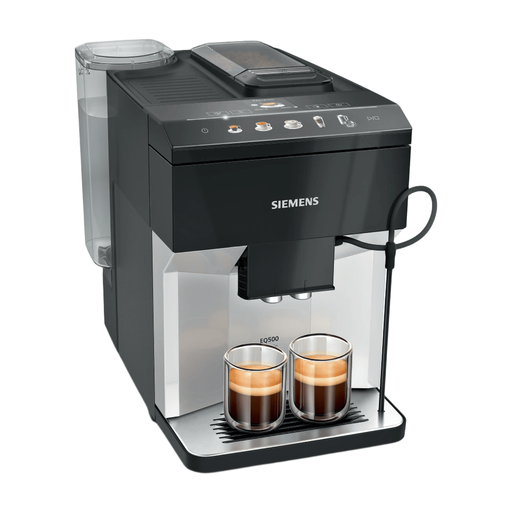
The description mentions oneTouch preparation with a cappuccinatore milk system, for those who want fewer steps when making a milk-based drink.
The product information lists an adjustable cup size and a removable brewing unit. The milk system needs cleaning after use, so check the drinks menu to see whether your preferred recipe is included.
No, not if you can make espresso and froth milk yourself. If you want a preset recipe, check the exact model: Siemens lists flat white for the TP723E09, and Nespresso does so for the Creatista Plus.
Clean any parts that come into contact with milk according to the instructions for the system in question. Consumentenbond recommends briefly flushing a steam wand with steam and wiping it after use. Check your machine’s manual for the exact steps.
Check whether you need a separate grinder or milk jug for your preferred brewing method, and what’s included with the machine. Also consider which coffee format you want to use: capsules, ground coffee or beans.
There’s no fixed statutory warranty period in the Netherlands, but you’re entitled to a product that meets the terms of the purchase agreement. According to the Dutch government, the retailer is your point of contact if a product is faulty. A manufacturer’s warranty is in addition to your statutory rights.
According to the NVWA, electrical equipment covered by the Commodities Act Decree on Electrical Equipment must carry a CE mark. The Low Voltage Directive referred to in the decree applies to appliances with a nominal AC voltage of 50–1000 V. Whether this applies to a particular appliance depends on the appliance and the scope of the decree. Check the markings and documentation for the item.