For a single caramel latte, the best option depends on how much you want to do yourself: pod machines keep making the coffee simple, bean-to-cup machines grind the beans for you, and a portafilter machine lets you prepare the espresso and milk yourself. Add the caramel separately, as in the Starbucks at Home recipe. Choose your machine mainly based on how it handles milk, how easy it is to clean and the ongoing costs.
Which machine is right for you?
In a hurry for a single-cup latte
You want to keep the steps involved in making one cup of coffee to a minimum, so you might compare pod machines with bean-to-cup models. The Consumentenbond describes these as different ways to make espresso, while Nespresso and Philips provide model-specific information about milk preparation.
Milk coffee drinker who values easy cleaning
You want to know in advance which parts need cleaning after making a milk coffee, and how easy they are to reach. The Consumentenbond discusses differences in milk frothing and ease of use; Philips recommends cleaning LatteGo after every use.
Home barista making one cup
You want to stay in control of making the espresso or preparing the milk, even if that means more steps. De'Longhi and Sage models show how the controls can vary between portafilter machines.
What should you look for in a machine for one caramel latte?
Pod machine with a milk function
A good fit if: you want to keep making one cup of coffee simple and are looking for a suitable milk system.
Bear in mind: your chosen pods and the upkeep of the milk system will still be part of your routine.
Bean-to-cup machine with a milk system
A good fit if: you want the machine to grind the beans automatically and regularly make milk coffee.
Bear in mind: automatic milk preparation doesn’t eliminate the need to clean afterwards; Philips recommends cleaning LatteGo after every use.
Portafilter machine with a steam wand
A good fit if: you want to prepare the espresso and milk yourself or have more control over the process.
Bear in mind: dosing, tamping or frothing the milk may involve manual work; the exact steps vary by model.
| What to consider |
What should you check? |
Who should pay particular attention? |
| Convenience for one cup |
Check whether the model can make one espresso and the amount of hot milk you want. The Consumentenbond describes pod, bean-to-cup and portafilter machines as different ways to prepare coffee. |
If I want to make one espresso with milk in just a few steps, I focus on the type of coffee and the milk controls. Around 36% of consumers prioritise convenience when making one cup. |
| Cleaning the milk system |
Read the care instructions for the exact milk system and check which parts need rinsing or removing after use. Philips recommends cleaning LatteGo after every use. |
If you don’t want to be left with milk residue in hard-to-reach places after one drink, it’s worth checking the cleaning steps beforehand. Around 29% of consumers prioritise cleaning after preparing milk. |
| Ongoing costs |
Compare the coffee required by the system and factor in any maintenance products you may need. Base your decision on what you actually plan to use. |
If I use the machine often, I want to know not just the purchase price but also what coffee and maintenance my chosen option requires. Around 21% of consumers focus mainly on ongoing costs. |
| Control and space |
Measure the space available and compare it with the dimensions of the exact model. Also check whether the steam wand is manual or automatic; De'Longhi lists the EC685.M EX:4 as approximately 15 cm wide. |
If you want to froth the milk yourself or have limited worktop space, compare the controls and dimensions of the specific model. Around 14% of consumers choose mainly based on control or available space. |
Common buying mistakes
-
Assuming a latte programme adds caramel automatically
A latte programme won’t make a caramel latte by itself. In the Starbucks at Home recipe, the caramel is mixed separately with the espresso, then the frothed milk is added.
Check exactly what the drinks programme prepares, and follow the manual for any ingredients that can be used in the machine.
-
Looking only at the machine
The type of coffee it uses and the maintenance it needs also affect what you’ll need for regular use.
Compare the coffee you want to use and check the care instructions before choosing a system.
-
Confusing automatic milk preparation with maintenance-free use
An automatic milk system can make preparation easier, but parts that come into contact with milk may still need cleaning after use. Philips recommends cleaning LatteGo after every use.
Before buying, read the care instructions for the milk system on the exact model you’re considering.
-
Assuming similar model names mean the specifications are identical
A shared model range doesn’t confirm that the full specification or accessories are the same.
Compare the complete model code and product specifications on the product page with the manufacturer’s information.
Brands and relevant models
Philips
The EP3349/70 is a bean-to-cup model that grinds beans and features LatteGo for milk coffee.
- Philips lists espresso, cappuccino and latte macchiato among the drinks available with this model.
- Philips recommends rinsing or washing LatteGo after every use.
De'Longhi
The Dedica Style EC685.M EX:4 is a portafilter machine with a manually adjustable cappuccino system.
- De'Longhi lists this version as approximately 15 cm wide.
- You prepare the milk yourself. These features apply to the version listed, not automatically to other De'Longhi models.
Sage
The Bambino Plus SES500BSS4EEU1 combines a portafilter with automatic and manual milk controls.
- The manufacturer describes this model as offering both automatic and manual milk controls.
- How you grind the coffee or use pre-ground coffee remains a separate choice.
Nespresso
The Creatista Uno is a pod machine for Original pods, with automatic milk preparation using a steam wand.
- Nespresso lists several milk settings for this model.
- Your choice of pods and their ongoing costs are worth taking into account.
Joybuy products for manual milk preparation
This selection focuses on portafilter machines with a steam wand, for anyone who wants to prepare espresso and milk themselves. Check how many steps you’ll need to do yourself and what type of coffee each model uses.
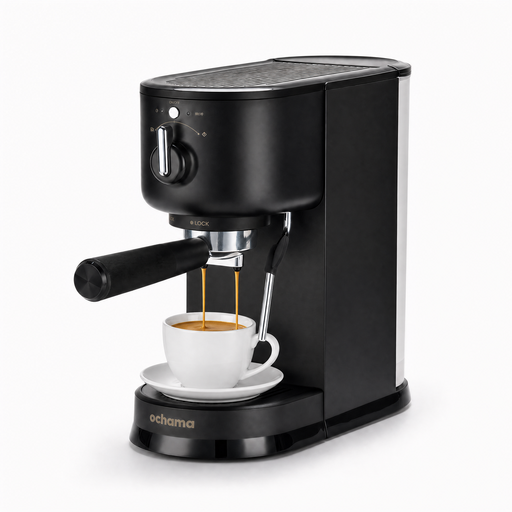 Image unavailable
ochama semi-automatic espresso machine
An option if you want to prepare the espresso and milk yourself; the product description specifies ground coffee and manual frothing with the steam function.
The product name specifies 15Bar espresso extraction and a 1.25L water tank.
View at Joybuy
 Image unavailable
IAGREEA 20Bar espresso machine with pressure gauge
The product description mentions single or double shots and an adjustable steam wand, so frothing milk is a manual task.
The product name specifies a removable 1.1L water tank, a cup warmer and a stainless-steel finish.
View at Joybuy
 Image unavailable
IAGREEA 20 Bar espresso machine with steam wand
This machine is an option if you want to make espresso with ground coffee and froth the milk by hand.
The product name specifies a 50 Oz water tank and a stainless-steel finish.
View at Joybuy
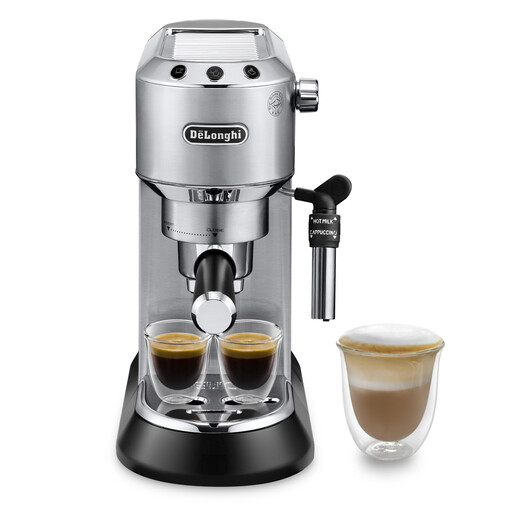 Image unavailable
De'Longhi Dedica EC685 espresso machine
A portafilter option for anyone who uses ground coffee and prepares the milk themselves with the manual milk frother.
The product name specifies 15 Bar and a slim design.
View at Joybuy
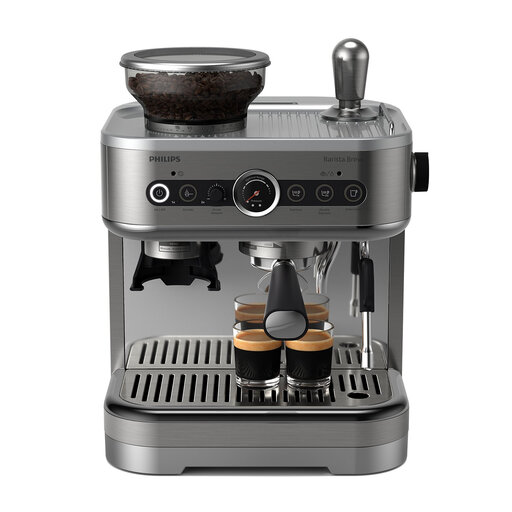 Image unavailable
Philips Barista Brew PSA3218/01
An option if you want to make espresso yourself with a portafilter and froth milk using the steam wand.
The product name specifies 15 Bar, a 58mm portafilter, a stainless-steel milk jug and 1350 W.
View at Joybuy
Frequently asked questions
Does an espresso machine need to add the caramel itself?
No, you can add the caramel separately to the espresso. In the Starbucks at Home recipe, the espresso and caramel are mixed in the mug before adding the frothed milk. Check your machine’s manual for guidance on ingredients that can be used in it.
What should you clean after making one milk coffee?
It depends on the milk system. Philips recommends rinsing or washing the two LatteGo parts after every use; for other systems, check the relevant model’s manual.
How should you store leftover semi-skimmed milk?
The Voedingscentrum advises putting opened semi-skimmed milk back in a 4 °C fridge promptly after use, and gives a recommended storage period of one week. For other types of milk, follow the advice on the packaging.
Who should you contact about a faulty machine in the Netherlands?
According to the Rijksoverheid, the retailer is your point of contact for your statutory guarantee. The Netherlands does not have a set statutory guarantee period of two years; what you can expect depends on the product and the circumstances. An additional manufacturer’s guarantee does not replace these rights.


