What should you look for when buying?
Don’t just measure the space for the machine. Think about how you’ll use and clean it, too. Dimensions vary by model: De’Longhi gives a width of 149 mm for the Dedica Style EC685.BK EX:4, while Nespresso lists the Lattissima One as measuring 15.4 × 32.4 × 25.6 cm (width × depth × height).
| What to consider |
What to check before buying |
Who is this important to? |
| Space for the machine and preparation |
Measure the width and depth, and check that you can reach the reservoir and have room for the steps involved in preparing milk. |
If your worktop is short on space, you’ll want enough room to work while making cappuccino, too. Around 33% of consumers put available space first. |
| Fewer steps |
Check whether your chosen model makes cappuccino automatically and which parts need cleaning after use. |
If you want to make cappuccino quickly, it helps to know how much cleaning the milk system needs afterwards. Around 27% of consumers give ease of use top priority. |
| Preparing milk and espresso yourself |
Check whether the model has a steam wand and whether there’s room for a milk jug and to operate the portafilter. |
If you want to froth the milk yourself and stay in control of the preparation, a manual approach may suit you better. Around 20% of consumers put that control first. |
| Costs and maintenance |
Compare coffee systems based on how you’ll use them, and check which parts need regular cleaning. |
If you’re thinking about coffee consumption and cleaning after purchase, you’ll want to factor in both when choosing. Around 20% of consumers make ongoing costs and maintenance the deciding factors. |
Joybuy products for manual milk frothing
This selection focuses on espresso machines with manual milk preparation, for making cappuccino yourself. Check the dimensions of each model and allow enough space to prepare your drink.
 No image available
IAGREEA 20Bar espresso machine with steam wand
Suited to anyone who wants to froth milk manually with a steam wand.
The product name lists a pressure gauge, a cup-warming tray and a removable 1.1 l water reservoir.
Check the exact width and depth of the model before placing it on a narrow worktop.
View at Joybuy
 No image available
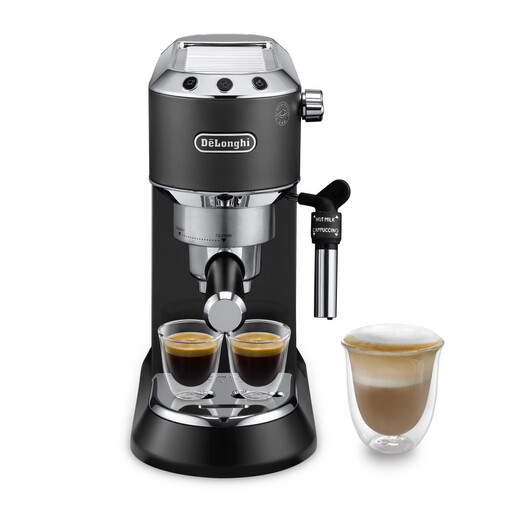
De’Longhi Dedica Style EC685.BK, black
A manual espresso machine for making espresso and frothing milk yourself with a steam wand.
Milk preparation is manual. Check the dimensions of this model and allow space for the portafilter and milk jug.
View at Joybuy
 No image available
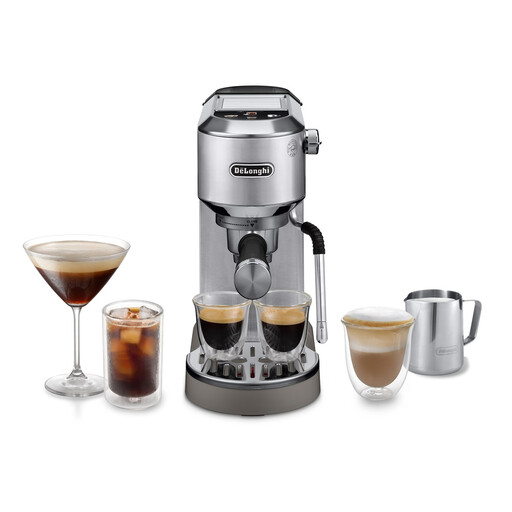
De’Longhi Dedica Duo EC890
Suited to anyone who wants to prepare espresso and milk froth manually.
The product name lists 15 Bar and a built-in milk jug warmer. Milk is frothed manually.
Check the dimensions of the exact model and leave enough worktop space for preparation.
View at Joybuy
 No image available
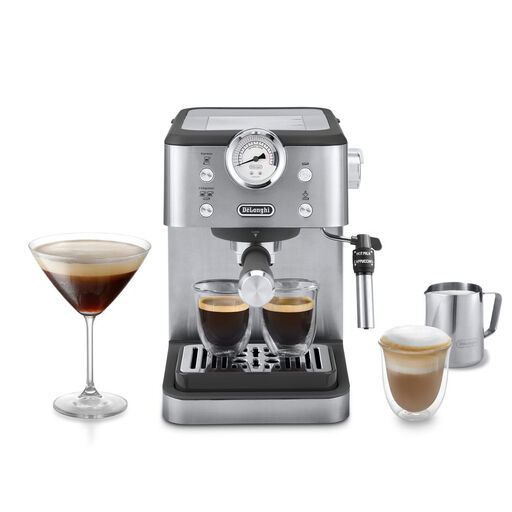
De’Longhi Classic EM450, metal
This machine is suited to anyone who wants to prepare espresso and cappuccino milk manually.
The stated dimensions are 22.6 × 28.3 × 30.5 cm; the width is 22.6 cm. The product name lists 15 Bar.
The cappuccino system is manual, so leave enough room to prepare the milk.
View at Joybuy
 No image available
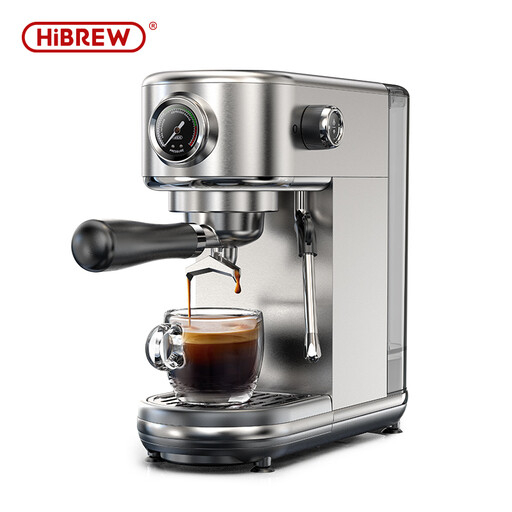
HiBREW H10B 20Bar semi-automatic espresso machine
A semi-automatic machine for anyone who wants to prepare espresso and milk themselves.
The stated dimensions are 13 × 31 × 28 cm, in the order length × width × height, so the listed width is 31 cm.
Milk preparation is manual. Check that the width and depth fit your worktop.
View at Joybuy
Frequently asked questions
In a narrow kitchen, do I only need to check the width?
No, measure the depth too, and allow room to prepare milk and reach the machine’s parts. Nespresso lists the Lattissima One as measuring 15.4 × 32.4 × 25.6 cm (width × depth × height); these dimensions apply to that model.
Does an automatic milk system need cleaning after use?
Yes, follow the instructions for the specific model. Philips recommends rinsing LatteGo or washing its two parts after every use; Nespresso says the Lattissima One’s milk container must be thoroughly cleaned after each use.
When are capsules or beans more cost-effective?
That depends in part on how much coffee you use and current prices, so it isn’t possible to work out your individual payback period without those details. Consumentenbond says beans are cheaper than coffee capsules and recommends considering the purchase price and coffee costs together. Remember to factor in maintenance, too.
In the Netherlands, do espresso machines automatically come with a two-year statutory guarantee?
No. According to the Dutch government, there is no fixed statutory guarantee period in the Netherlands. What you can expect from a product that is fit for purpose depends, among other things, on the product and the information provided. If a product is faulty, you should contact the retailer to find a solution; a manufacturer’s guarantee is separate.


