
Vandaag of morgen in huis

Kwaliteit gegarandeerd
Download de app
Categorieën

Choosing a new espresso machine can be a challenge. The market is vast, and specifications aren't always clear. Should you opt for the convenience of a coffee capsule machine or the fresh taste of a bean-to-cup model? And is an integrated milk system worth the investment? The wrong choice can lead to daily disappointment. This guide helps you ask the right questions and provides an overview of the factors that truly matter, ensuring you find a machine that perfectly matches your coffee preferences.
Before you purchase an espresso machine, it's helpful to assess your needs. The ideal machine is different for everyone and depends on ease of use, taste preference, and maintenance.
The first and most important choice is between a fully automatic espresso machine and a coffee capsule machine.
bean-to-cup coffee maker, grinds fresh coffee beans for every cup. This gives you maximum control over the grind size, strength, and flavour. These appliances are often larger and require more maintenance, but they offer the freshest coffee experience. They are ideal for those who enjoy experimenting with different types of beans and recipes.Nespresso machine is a prime example of a coffee capsule machine. These devices are known for their convenience and speed. You insert a capsule, press a button, and have a consistent espresso in under a minute. Maintenance is minimal, but you are limited to the manufacturer's range of capsules. This is an excellent choice for those who prioritise speed and simplicity.Do you primarily drink black coffee, or are you a fan of milk-based specialities?
coffee maker with a milk frother or cappuccino machine offers the ability to make a latte macchiato or cappuccino at the touch of a button. There are various systems, from automatic milk carafes that can be stored in the fridge to steam wands for frothing milk manually. Pay attention to how easy the system is to clean.Based on the criteria above, we have selected three distinct espresso machines, each with its own unique features.
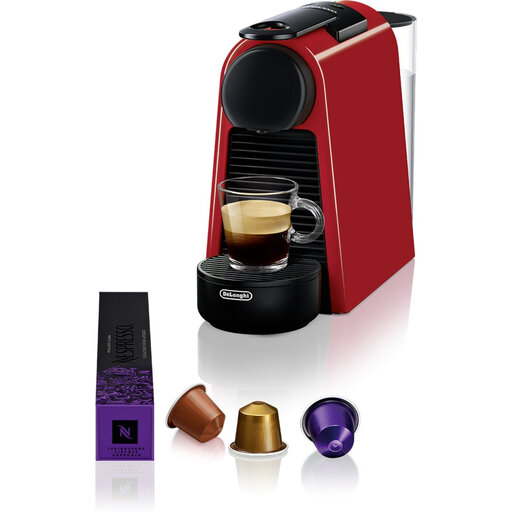
Why We Chose It The De'Longhi Inissia is a compact and efficient coffee capsule machine that focuses on the essentials: brewing a great espresso or lungo. Its minimalist design and small footprint allow it to fit into almost any kitchen or office space.
Pros
Who Is It For? This appliance is ideal for users seeking convenience, speed, and consistent coffee quality without the complexity of a fully automatic machine. It's an excellent choice for smaller households, student dorms, or as a second machine in the office.
View the Nespresso Inissia on Joybuy.nl
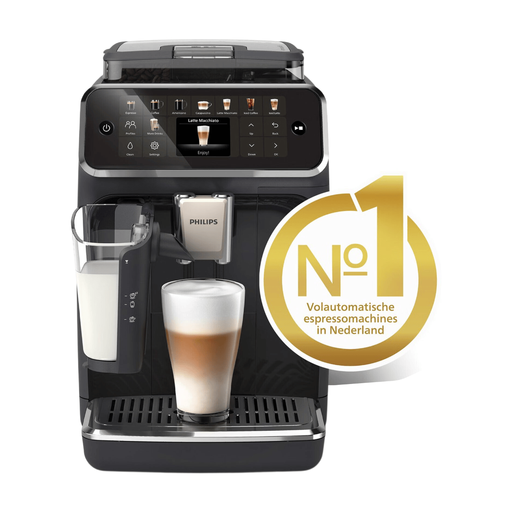
Why We Chose It The Philips espresso machine from the 5500 series is a versatile fully automatic espresso machine that offers a wide range of coffee recipes, from hot cappuccinos to refreshing iced coffees. The LatteGo milk system is designed for ease of use and quick cleaning.
Pros
Who Is It For? This machine is aimed at the coffee enthusiast who appreciates the freshness of ground beans and enjoys varying between different hot and cold beverages. It's a complete solution for families or for those who frequently host guests with diverse coffee preferences.
View the Philips LatteGo 5500 on Joybuy.nl
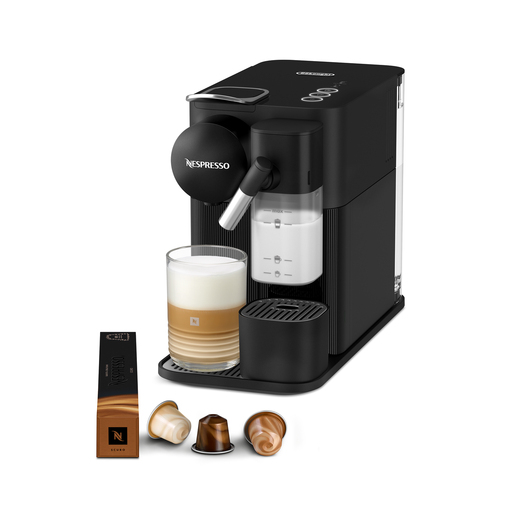
Why We Chose It The De'Longhi espresso machine Lattissima One combines the convenience of a Nespresso capsule machine with an integrated one-touch milk system. This makes it a compact and user-friendly cappuccino machine for daily use.
Pros
Who Is It For? The Lattissima One is the perfect middle ground for those who want the convenience of capsules but also wish to effortlessly create milk-based specialities. It is ideal for users looking for an all-in-one solution that doesn't take up too much space.
View the De'Longhi Lattissima One on Joybuy.nl
Everyone has different preferences regarding budget, design, or specific features. The selection above is a starting point, but many more models are available. If your ideal machine isn't listed, or if you have specific requirements like a stainless steel housing or a dual bean container, it's worth exploring a wider range.
For a complete overview of all available models, from entry-level devices to advanced fully automatic machines, you can visit our main category.
Discover all models in the espresso equipment category
What is the difference between a semi-automatic and a fully automatic machine? A fully automatic machine grinds the beans and brews the coffee at the touch of a button. A semi-automatic machine (or portafilter machine) requires more manual steps: you grind the beans yourself, tamp the coffee into the portafilter, and manually start and stop the extraction. This provides more control but also requires more knowledge and time.
How important is the pump pressure (bar) of an espresso machine? Pump pressure is the maximum force the pump can generate. For a proper espresso, a pressure of about 9 bar is needed at the coffee puck itself. Most consumer machines have a 15 to 19 bar pump to ensure this pressure is consistently achieved, even if the coffee isn't perfectly ground or tamped. Therefore, a higher pump pressure isn't necessarily better, but a value between 15 and 19 bar is a good indicator of a capable machine.
How often should I descale my espresso machine? This depends on the water hardness in your area and how often you use the machine. Most modern machines will alert you when it's time to descale. As a general guideline, you can expect to do this once every 2 to 3 months. Using a water filter, such as the Philips AquaClean system, can significantly reduce the frequency of descaling.
Written by the Joybuy Product Recommendation Officer