
Vandaag of morgen in huis

Kwaliteit gegarandeerd

Welkomstaanbiedingen ontgrendelen: GRATIS bezorging | Tot 80% korting | Gratis 30 dagen JoyPlus-proefperiode
Download de app
Making the leap from filter coffee or pods to a real espresso machine is an exciting moment for any coffee lover. The promise of a perfect, homemade espresso or a creamy cappuccino is alluring. But the search can be overwhelming. The market is flooded with machines touting high pressure, shiny designs, and professional features. Unfortunately, these marketing claims often lead to a disappointing purchase.
As a Product Recommendation Officer at Joybuy, I see the challenges buyers face every day. To help you avoid buyer's remorse, we're highlighting the most common pitfalls and the specifications that truly matter.
Pitfall 1: The "More Bar is Better" Myth Manufacturers advertise with 15, 19, or even 20 bars of pump pressure. This sounds impressive, but for a great espresso, a pressure of around 9 bars at the group head is the gold standard. A higher maximum pump pressure is no guarantee of better coffee and can sometimes even lead to a bitter taste due to over-extraction.
Pitfall 2: The Weak Steam Wand A cappuccino machine is only worthy of the name if it can powerfully froth milk. Many entry-level models have a coffee machine with a steam wand that delivers insufficient steam power. The result? Large, coarse bubbles instead of the silky-smooth microfoam you need for a latte or cappuccino.
Pitfall 3: A Pretty Face, but Plastic Internals A stylish design is nice, but the build quality determines your machine's lifespan. A machine that looks like a professional barista coffee machine but is primarily made of lightweight plastic is often less durable and stable.
Focus on the specifications that directly impact the quality of your coffee. These are the non-negotiables for a good espresso machine for home.
The term espresso machine is broad. For the authentic experience, you're looking for a semi-automatic espresso machine, also known as a portafilter machine. This gives you control over the grinding, tamping, and extraction time. It offers the freedom to experiment and create the perfect espresso.
The water temperature is crucial. Most modern machines use a Thermoblock system. This heats up quickly and provides a stable temperature, which is essential for consistent flavour. A machine with good temperature control is more important than one with the highest pump pressure.
A stainless steel housing is not only more durable but also helps with temperature stability. Also, pay attention to the size. A compact espresso machine can perform just as well as a larger model and fits better in the average kitchen.
To get you started, we've matched a few popular choices with different user profiles. This selection is based on objective product specifications that meet the needs of home baristas.

Why This Fits Their Persona: Ideal for those who want to learn the basics of making espresso without a large investment. This machine offers the essential features to practice with espresso and milk foam.
This model focuses on the core essentials: a 15-bar pump and a steam wand. It avoids the pitfall of unnecessary, expensive extras and delivers a powerful steam wand for its price point.
Simple operation and a removable drip tray for easy cleaning. The machine is equipped with safety features like overheat protection.
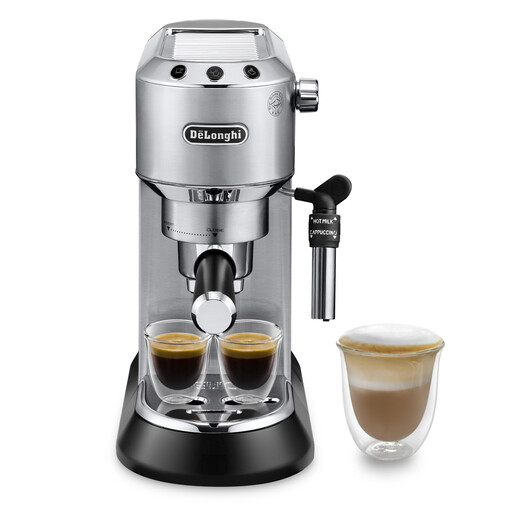
Why This Fits Their Persona: Perfect for those seeking a reliable machine with a small footprint. Its slim, metal design fits into any modern kitchen without compromising on performance.
This is a textbook example of a compact espresso machine that avoids the plastic-body pitfall. The metal construction is robust, and its slim profile is a major advantage.
Very slim design (14.9 cm wide). The Thermoblock system ensures rapid heating, and the adjustable steam wand gives you control over your milk foam.
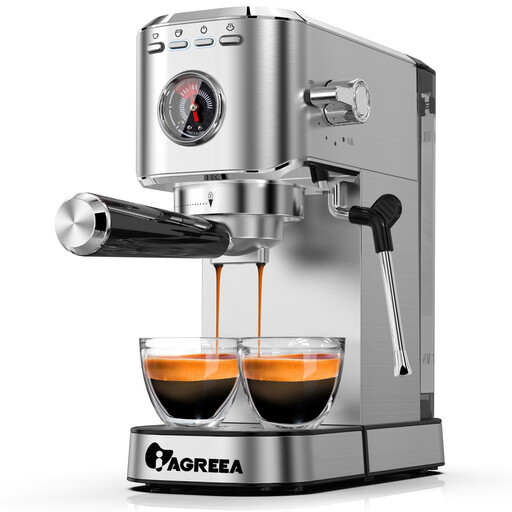
Why This Fits Their Persona: For the user who wants more control and feedback. The built-in pressure gauge is a feature normally found on more expensive machines and helps you perfect your extraction.
This machine debunks the "more bar is better" myth by letting you see the actual pressure. You focus on achieving the ideal 9 bars, not on the 20-bar marketing number.
The pressure gauge provides direct feedback for consistent results. The stainless steel housing is durable, and the top plate functions as a cup warmer.
A good espresso machine is the heart of your coffee corner. If you're still exploring, check out our full range of products.
Although many machines advertise 15 to 20 bars, the ideal pressure for espresso extraction is around 9 bars. A pump with a higher rating indicates it has enough power to consistently deliver those 9 bars. However, you should focus more on a stable water temperature and a good coffee grinder than purely on the number of bars.
A semi-automatic espresso machine (or portafilter machine) puts you in control. You grind and tamp the coffee yourself and start and stop the extraction. A fully automatic machine does all of this at the touch of a button. For the authentic barista experience, control over the flavour, and the joy of the coffee-making process, a semi-automatic is the clear choice.
Regular maintenance is essential for longevity and taste. Rinse the group head and steam wand daily. Clean the filter baskets thoroughly every week. Descale the machine monthly or follow the manufacturer's instructions, especially in areas where the water can be hard. This prevents limescale buildup and ensures your machine continues to perform optimally.
