
Vandaag of morgen in huis

Kwaliteit gegarandeerd

Welkomstaanbiedingen ontgrendelen: GRATIS bezorging | Tot 80% korting | Gratis 30 dagen JoyPlus-proefperiode
Download de app
For many, the aroma of freshly brewed coffee marks the start of the day. But bringing coffee-shop quality into your own kitchen often feels like a complicated leap. The range of options is vast: from fully automatic espresso machines that do everything for you to portafilter machines that put you in control. So, which coffee machine is the right fit for you?
As a Joybuy Product Recommendation Officer, I'm here to help you make the right choice. In this article, I'll provide practical guidance and several concrete recommendations based on specifications and ease of use. This will enable you to make a well-informed decision for your ideal at-home espresso machine.
Before you buy an espresso machine, it's wise to consider a few key features. These determine not only the taste of your coffee but also the convenience in your daily routine.
The most important choice is the type of machine. This depends entirely on how much time and effort you want to invest in your cup of coffee.
coffee maker with a milk frother, allowing you to easily make a cappuccino or latte macchiato.portafilter machine, you have control over the grind size, tamping the coffee, and the extraction time. This requires some practice but offers the satisfaction of a self-made, perfect espresso.For a good espresso, the pressure at which water is forced through the coffee is crucial. A pump pressure of 15 to 19 bars is a common specification for home-use machines. This ensures a rich flavour and a stable crema. Equally important is a stable water temperature, as this prevents fluctuations in the taste of your coffee.
Do you enjoy coffee with milk? Then the milk frother is an important component.
To help you get started, we've highlighted three different types of espresso machines. Each machine suits a different preference and use case.
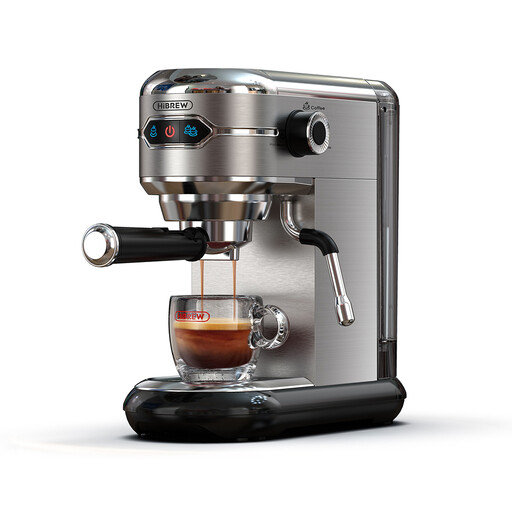
Why it stands out The HiBREW H11 is a compact and stylish portafilter machine that makes the control of a barista experience accessible. With a powerful 19-bar pump pressure, this machine ensures a full extraction and a rich crema. Its stainless steel design is not only durable but also an asset to your kitchen.
Pros
Who is it for? For the coffee lover who wants to move from a filter or capsule machine to having more control. This portafilter machine is an ideal entry-level model for experimenting with brewing your own espresso without breaking the bank.
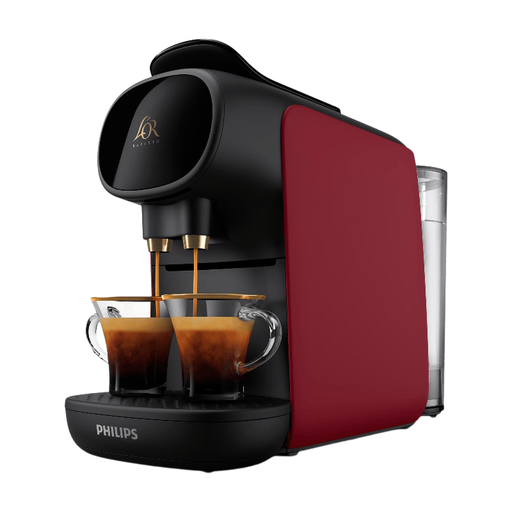
Why it stands out This coffee machine from Philips is designed for ultimate convenience and consistency. The L'OR Barista Sublime is one of the few machines compatible with the extra-large L'OR Barista double-shot capsules. This allows you to brew two espressos at once or a single double espresso in a larger cup. The machine automatically recognises the capsule size and adjusts the water volume accordingly.
Pros
Who is it for? For those looking for speed and convenience without compromising on taste. Ideal for busy mornings or for households where multiple people want a quick cup of coffee. Maintenance is minimal, and the operation is self-explanatory.
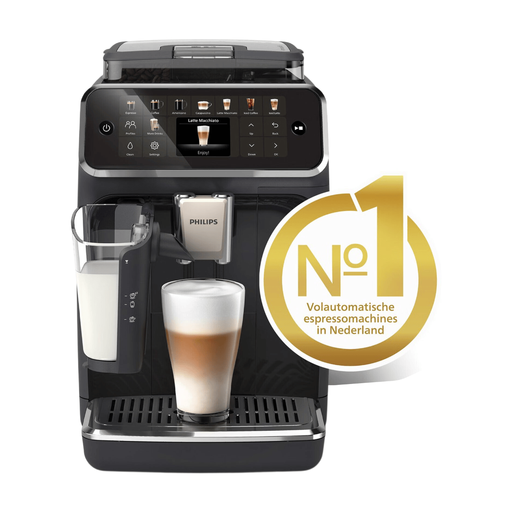
Why it stands out This fully automatic espresso machine from Philips is a true all-rounder. With 20 different coffee recipes, from a strong espresso to a refreshing iced coffee, there's something for everyone. The LatteGo milk system is a major advantage: it consists of just two parts and has no tubes, making it, according to Philips, extremely easy to clean.
Pros
Who is it for? For families or coffee drinkers who love variety and convenience. If you want to choose from a wide range of coffee specialities, from black to milk-based drinks, at the touch of a button, then this fully automatic espresso machine is an excellent choice.
This selection is a starting point. Everyone has different desires for their ideal cup of coffee. Are you curious about other models, such as machines with a larger water reservoir or different specifications?
Then check out our full range of coffee and espresso machines.
Most home espresso machines have a pump pressure between 15 and 19 bars. This is widely considered sufficient to brew a good espresso with a stable crema. The final pressure on the coffee itself is often around 9 bars, which is considered ideal for extraction.
A fully automatic espresso machine grinds the beans, doses the coffee, and brews the espresso with a single button press. A portafilter machine (or semi-automatic) gives you more control. You grind the beans yourself (or use pre-ground coffee), fill and tamp the portafilter, and manually start and stop the extraction.
To make a cappuccino, you need a coffee maker with a milk frother. Most fully automatic and portafilter machines have this feature. With a portafilter machine, you use a steam wand to manually froth the milk. Fully automatic machines often have an integrated, automatic milk system that adds the foam directly to your coffee. Capsule machines do not always have this function; sometimes, a separate milk frother is required.
