
Vandaag of morgen in huis

Kwaliteit gegarandeerd

Welkomstaanbiedingen ontgrendelen: GRATIS bezorging | Tot 80% korting | Gratis 30 dagen JoyPlus-proefperiode
Download de app
For many, a great cup of coffee is the start of the day, a moment of peace, or a special treat. The desire to experience that same coffee shop quality at home quickly leads to the search for a great espresso machine. But with so many options—from fully automatic machines to classic semi-automatics—making the right choice isn't always easy.
This guide is designed to help you make an informed decision. We'll explain the most important considerations and present a selection of models that cater to different needs and preferences, without the marketing jargon.
Before you buy an espresso machine, it's helpful to consider a few key features. Your ideal machine will depend on the balance between convenience, control, and the type of coffee you prefer.
The first and most important choice is the type of machine.
bean-to-cup machine. These machines do almost all the work for you. With a single press of a button, the beans are ground, the coffee is brewed, and often the milk is frothed as well. Ideal for those who value speed and convenience.portafilter machine or home barista machine. With this type, you have full control over the process. You grind the beans (often with a separate or built-in grinder), tamp the coffee into the portafilter, and manually start and stop the extraction. This type of machine is beloved by hobbyists who want to perfect their brewing process.An espresso machine with a built-in grinder offers a significant advantage: freshness. Coffee beans quickly lose their aroma after being ground. A machine that grinds the beans immediately before brewing ensures a fuller, richer flavour. When checking specifications, look for the material of the burrs (ceramic or stainless steel) and the adjustable grind settings.
The pump pressure, expressed in bar, is the force with which water is pushed through the ground coffee. For a true espresso, a pressure of at least 9 bar at the group head is required. Most machines advertise 15 to 20 bar at the pump, which is more than enough to guarantee the necessary pressure. Some advanced models feature a dual boiler system, allowing you to brew espresso and steam milk simultaneously. This saves time, especially if you frequently make cappuccinos or lattes.
Based on functionality and user needs, we have highlighted some interesting models for you.
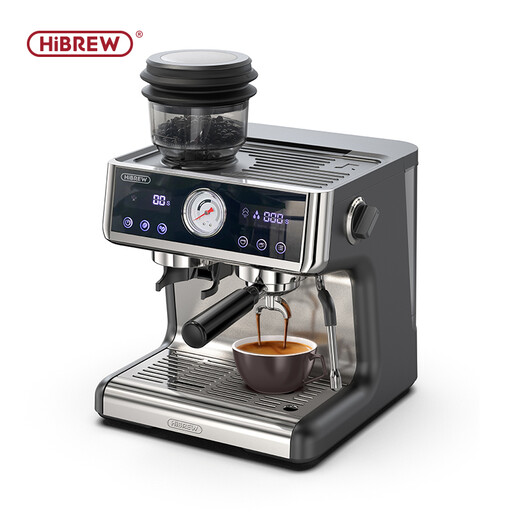
Why this model stands out: This is a complete semi-automatic espresso machine that offers the home barista a great deal of control and professional features. The dual boiler system is a key feature in this price range, allowing for efficient operation.
Pros:
espresso machine with a built-in grinder featuring 30 grind settings.Who is this for? For the coffee enthusiast who wants control over the brewing process and enjoys experimenting like a true home barista. Ideal for those looking to upgrade from a basic machine to a more advanced model.
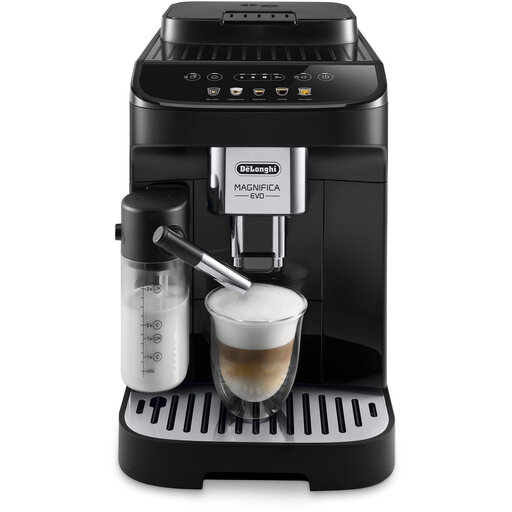
Why this model stands out: This fully automatic espresso machine from De'Longhi focuses on ease of use and consistent results. With pre-programmed drinks and an automatic milk system, a perfect cappuccino is just one touch away.
Pros:
Who is this for? For anyone looking for the convenience of a bean-to-cup machine. Perfect for busy mornings or for those who want to enjoy a variety of specialty coffees with milk, effortlessly.
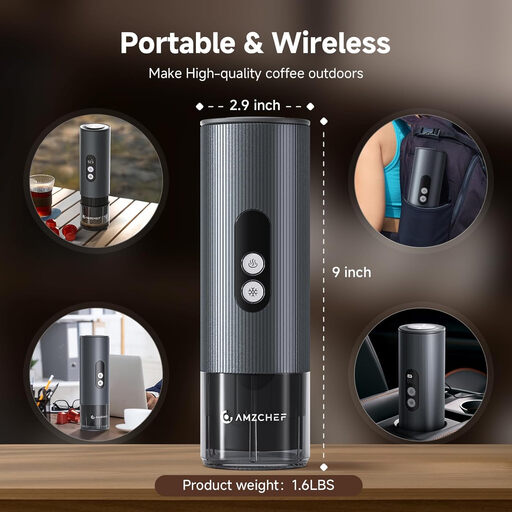
Why this model stands out: This portable espresso maker breaks the boundaries of where you can enjoy good coffee. Thanks to its built-in battery and heating element, you are no longer dependent on a power outlet or hot water.
Pros:
Who is this for? For the adventurer, traveller, camper, or professional who doesn't want to compromise on the quality of their espresso while on the go, at the office, or in the car.
This selection covers a range of needs, but you might be looking for a different colour, feature, or price point. For a broader overview of our models, feel free to browse our espresso and cappuccino machine in silver category.
A fully automatic machine grinds the beans, brews the coffee, and froths the milk at the touch of a button. A semi-automatic machine (portafilter machine) gives you manual control over grinding, tamping, and the extraction time of the espresso, which offers more room for personalisation.
For a proper espresso extraction, a pressure of about 9 bar at the coffee itself is ideal. Most machines advertise a pump pressure of 15 to 20 bar to ensure this pressure is consistently achieved. A higher pump pressure isn't necessarily better, but it indicates that the machine has sufficient power.
Most fully automatic espresso machines with a bean grinder also have a separate compartment for pre-ground coffee. This is useful if, for example, you want to make an occasional cup of decaf. However, for the best flavour, it is always recommended to use whole beans and grind them just before brewing.
