
Vandaag of morgen in huis

Kwaliteit gegarandeerd

Welkomstaanbiedingen ontgrendelen: GRATIS bezorging | Tot 80% korting | Gratis 30 dagen JoyPlus-proefperiode
Download de app
Making a great espresso at home doesn't have to be complicated. However, the vast selection of machines can make finding the right one a challenge. Are you looking for a quick solution for travel, a traditional method for your kitchen, or the full control of a true barista?
This article will guide you through the process. We'll discuss different types of espresso makers, provide practical buying tips, and highlight several popular choices. This will help you make a well-informed decision that fits your needs and budget.
Before you make a choice, it's helpful to consider a few key points. Your lifestyle and coffee preferences will determine which type of machine is most suitable for you.
Where and when do you enjoy your espresso most? For those who are often on the move, a portable espresso maker can be a perfect solution. These compact, manual espresso makers operate without electricity and are easy to pack. For home use, the range is much broader, from simple Moka pots to advanced piston machines.
Do you want to control the entire process of making espresso at home? Then a piston machine (also known as a semi-automatic) is an excellent option. You grind the beans yourself, determine the amount of coffee, and operate the machine manually. This gives you significant control over the flavour. For those who prefer convenience, buying a Moka pot is a great choice. This classic method is simple to use and produces a strong, rich coffee on the stovetop.
The prices for an espresso coffee maker vary widely. A Moka pot is an affordable starting point, while a De'Longhi espresso machine is a larger investment that offers more features, such as a steam wand for milk foam. Also, consider how much time you're willing to spend on cleaning. Simpler devices are often quicker to clean than more complex machines.
Based on functionality, ease of use, and application, we have selected three different types of espresso makers.
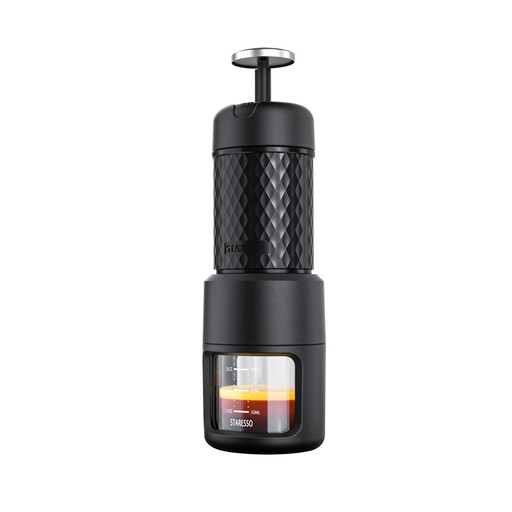
STARESSO Portable Manual Espresso Machine
Why It Stands Out This manual espresso machine from STARESSO operates completely without electricity. Using a manual pump system, you build the pressure needed for an espresso with a beautiful crema. The device is compatible with both ground coffee and capsules, making it highly flexible.
Benefits
Who Is This For? This is a practical choice for students, travellers, campers, and anyone who wants to make a fresh espresso anywhere, without needing a power outlet.
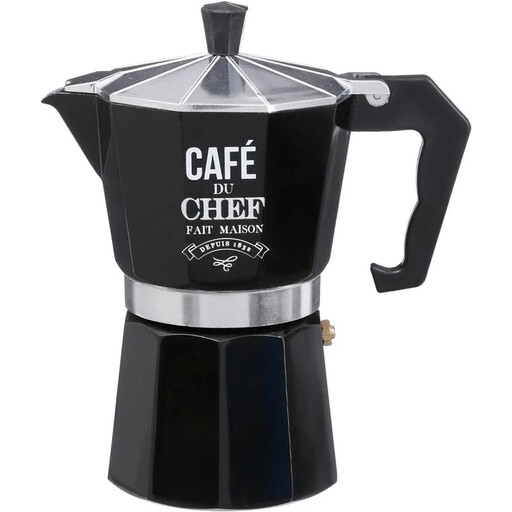
Secret de Gourmet Moka Pot - Black, 6 Cup, 300 ml
Why It Stands Out The Moka pot, also known as a stovetop espresso maker, is an icon of Italian coffee culture. This model from Secret de Gourmet follows the classic design and brews a strong, espresso-like coffee with ease. You simply place the pot on a gas stove.
Benefits
Who Is This For? Perfect for anyone who wants to buy a Moka pot and loves the traditional brewing method. It's a great choice for beginners and households where multiple cups of coffee are often enjoyed at the same time. Note: this model is suitable for gas but not for induction cooktops.
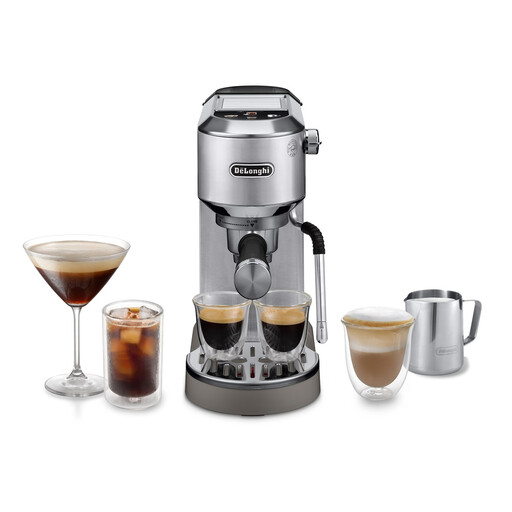
De'Longhi Dedica Duo EC890 Espresso Machine
Why It Stands Out This piston machine from De'Longhi offers the control and quality needed to prepare a barista-quality espresso at home. With its slim, stainless steel design, it's a stylish addition to any kitchen. The machine combines manual operation with modern features.
Benefits
Who Is This For? This De'Longhi espresso machine is ideal for the coffee enthusiast looking to take the next step and have complete control over the brewing process. It's an excellent choice for those who enjoy experimenting with different coffee beans and drinks like cappuccino.
The world of espresso is broad and diverse. Are you looking for a different type of machine, such as a fully automatic one, or do you want to compare more options?
View our full range of Moka pots and espresso machines here.
1. What is the difference between a Moka pot and an espresso machine? A Moka pot uses steam pressure created by boiling water on a stove to push it through the coffee grounds. This results in a pressure of about 1.5 bar. An espresso machine, such as a piston machine, uses an electric pump to force water through the coffee at high pressure (usually 9 to 15 bar). This leads to a more concentrated beverage with a characteristic crema layer.
2. How many bars of pressure are needed for a good espresso? For an authentic espresso, a pressure of at least 9 bar is generally recommended. Most home-use piston machines, like the De'Longhi mentioned, offer a pressure of 15 bar. This ensures that the oils and aromas are properly extracted from the ground coffee.
3. Can I use an espresso machine without electricity? Yes, there are manual espresso makers, such as the STARESSO, that do not require electricity. These devices use a hand pump or lever mechanism to build the necessary pressure. They are an excellent solution for outdoor use or in locations without a power outlet.
