
Espresso drinker with limited worktop space
You want to be able to put your grinder away after use and are happy to grind by hand if it saves space.


Choose a grinder that can be adjusted for espresso, then check that it fits your space with enough room to fill and use it. A manual grinder you can put away saves permanent worktop space, but takes effort to use. An electric grinder makes repeated grinding easier, while a single-dose model suits those who weigh out their beans for each brew and like to switch between them.
You want to be able to put your grinder away after use and are happy to grind by hand if it saves space.
You use a semi-automatic espresso machine and want to adjust the grind to suit your beans and shot time.
You grind regularly and prefer electric operation or dosing, as long as the grinder fits on your worktop.
Best if: permanent worktop space is the deciding factor and you make only a small amount of espresso at a time.
Trade-off: you grind each portion yourself and need room for the handle to turn.
Best if: you grind regularly or use coarser brewing methods as well as espresso.
Trade-off: electric operation needs a permanent spot, and the bean hopper must remain accessible.
Best if: you weigh your beans for each brew or regularly switch between different beans.
Trade-off: you add beans for each portion and empty the grinder; claims about retention and noise come from the manufacturer.
| What to consider | What to look for | Who is this most important for? |
|---|---|---|
| Fine espresso adjustments | Check the espresso range and adjustment method of the exact model. | If I want to adjust the grind to suit my beans and brewing method, I look at both the range and how I can make adjustments. Around 36% of consumers make precise adjustment their top priority. |
| Space and storage | Measure the width, depth and height. For a manual grinder, allow room for the handle to move, too. | In a small kitchen, I want to know whether the grinder will fit both when stored and in use. Around 29% of consumers make available space their top priority. |
| Convenience when grinding repeatedly | Choose between turning the handle yourself, switching on an electric grinder, timed dosing or adding beans one portion at a time. | If I grind daily or several times in a row, I consider how many steps are involved for each dose. Around 21% of consumers give ease of use top priority. |
| Cleaning and maintenance | Read the cleaning instructions for the exact model and check how to access the burrs. | If I often switch between beans, I want to know how to remove the grounds and maintain the burrs. Around 14% of consumers make maintenance their top priority. |
The number of settings alone doesn’t tell you how small the increments are or what part of the range is intended for espresso. The models reviewed use click settings, stepped settings or stepless adjustment.
Compare the adjustment method and espresso range of the exact model, not just the total number of settings.
An electric grinder’s bean hopper needs to remain accessible, while a manual grinder needs room for its handle to turn.
Measure the available width, depth and height, and allow for the space you’ll need to fill and use the grinder.
A manufacturer’s warranty is an additional promise and doesn’t replace your legal right to receive a product that conforms to the sales agreement. The Dutch government states that the Netherlands has no fixed statutory warranty period.
Check exactly what an extended warranty covers and keep your proof of purchase. If there’s a fault with the product, contact the seller.
The J-Ultra is a manual grinder you can put away, designed for espresso and ideal if permanent worktop space is at a premium.
The Encore ESP is designed for anyone looking for an electric grinder for both espresso and coarser brewing methods.
The Mignon Zero range is designed for electric grinding of individually weighed portions.
The Smart Grinder Pro is an electric option for those looking for programmable timed dosing and the ability to use multiple brewing methods.
The CM800 is an electric grinder with a holder for grinding directly into a portafilter.
This selection includes manual and electric coffee grinders. For the version you’re considering, check that you can adjust the grind finely enough for your espresso machine.
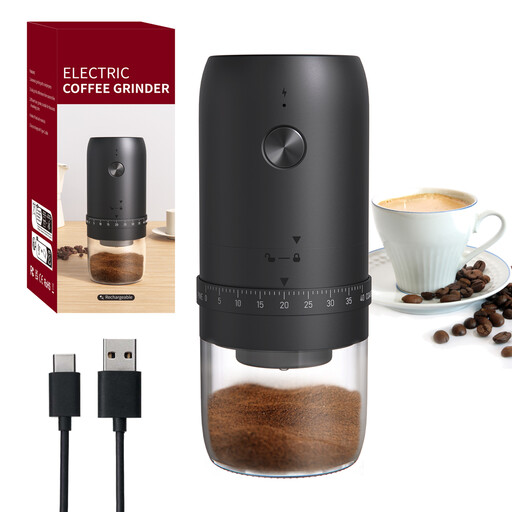 No image available
An electric model could suit you if you’d rather not grind by hand. The product description mentions espresso and adjustable grinding from fine to coarse.
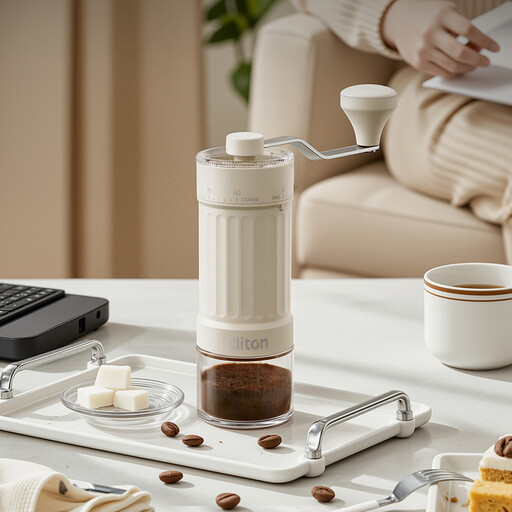 No image available
A manual grinder could suit you if you want to put it away after use. The product description mentions manual operation and espresso grinding.
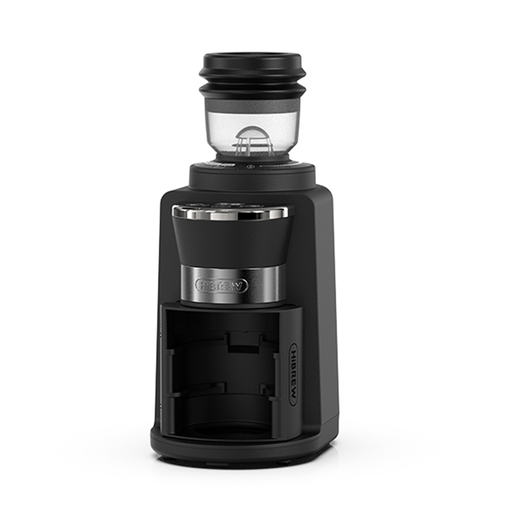 No image available
Before choosing, check that the controls and adjustment options suit the way you make espresso.
The product title lists a 40 mm conical burr, 31 grind settings, and manual and automatic modes.
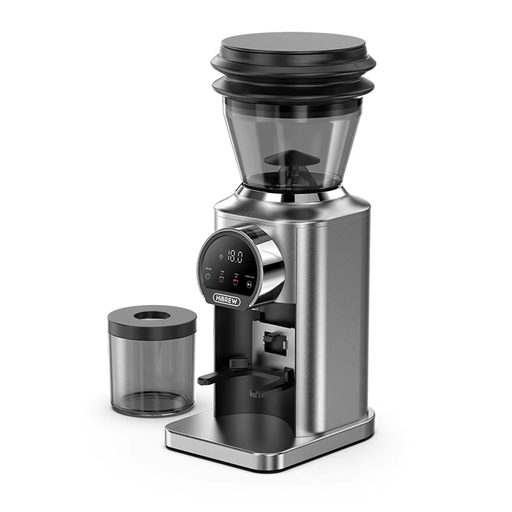 No image available
Check that the controls and holder suit the way you plan to use the grinder alongside your espresso machine.
The product title lists 31 grind settings, adjustable grinding time, a touchscreen and a portafilter holder.
 No image available
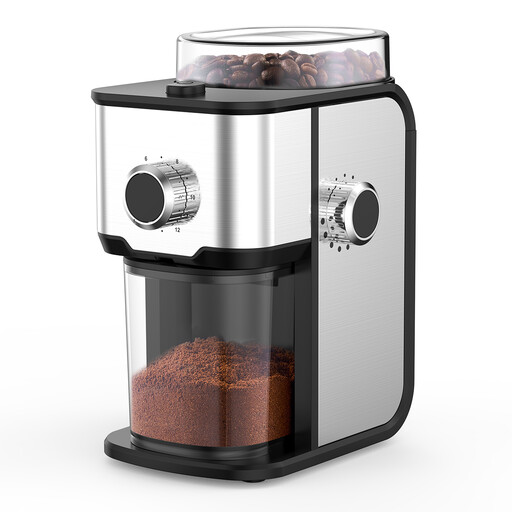
If you want to keep the grinder on a small worktop, check the dimensions of the version on offer and leave room to operate it.
The product title lists flat burrs, 14 grind settings and a capacity of 2–12 cups.
It depends on the model. According to 1Zpresso, the J-Ultra is designed for espresso and offers fine adjustments. Also consider whether grinding by hand will still feel comfortable for the number of portions you make.
Follow the instructions for the exact model. For the J-Ultra, 1Zpresso recommends using a brush and air blower, and not water. Before cleaning an electric grinder, unplug it and follow the relevant instructions.
No. According to the Dutch government, the Netherlands has no fixed statutory warranty period: you’re entitled to a product that works properly for as long as you can reasonably expect it to. If there’s a fault, contact the seller; any manufacturer’s warranty is in addition to this.
For online consumer purchases, ACM ConsuWijzer says you generally have up to 14 days after delivery to change your mind. Exceptions and rules about trying out the product may apply, so check the terms that apply to your order before buying.
Check the rating plate, the plug supplied and the power supply required for the specific version. Sage’s instructions say that the power supply must match the appliance label; the Dutch government states that electronic devices placed on the EU market must have a CE mark.