
Vandaag of morgen in huis

Kwaliteit gegarandeerd

Welkomstaanbiedingen ontgrendelen: GRATIS bezorging | Tot 80% korting | Gratis 30 dagen JoyPlus-proefperiode
Download de app
A good cup of espresso coffee doesn't have to be complicated. Yet many shoppers choose based on eye-catching packaging, a high intensity score or a well-known brand name. This can lead to coffee that doesn't fit your machine, tastes too strong or loses its aroma quickly after opening.
The main pitfalls to watch out for are:
Espresso capsules are convenient for home or the office. You use a fixed amount of ground coffee and don't need to adjust grind size, dosage or tamping pressure. Check before you buy:
A blend of Arabica and Robusta often gives a stronger profile. According to the product information from Lavazza, the Maestro Ristretto is made from Arabica and Robusta beans and has an intensity of 12/13, with notes of chocolate and caramel mentioned. These are product specifications and flavour descriptions from the product information, not a guarantee that every user will experience the same taste.
For a longer drink, Lungo coffee makes more sense. The Lavazza 10736 Espresso Lungo is described as coming in a pack of 10 capsules, with an intensity of 5/13 and a sweet flavour profile. If you're looking for a larger supply, you could also consider Douwe Egberts Espresso Strong Coffee Capsules in a pack of 40. According to the product information, this coffee contains a mix of Robusta and Arabica and the capsules are intended for Nespresso machines.
Instant espresso coffee works without a coffee machine. This makes it suitable for the office, a holiday home, student accommodation or travel. Pay close attention to the recommended amount of water. A sachet with 60 ml of water gives a concentrated cup; with more water the flavour becomes milder.
Espresso sticks are individually wrapped and therefore practical when you don't open a whole jar every day. The g'woon Espresso Coffee Sticks contain 1.5 grams of instant coffee per stick according to the product information, and are designed to be mixed with water. The Nescafé Espressostick contains 1.8 grams of instant coffee according to the description, and is prepared with 60 ml of hot, not boiling, water.
One downside of sticks is the waste from the individual packaging. On the other hand, dosing is simple and the coffee stays compact.
Coffee syrup and concentrate are often confused with each other. A coffee syrup mainly adds sweetness and flavour, whereas espresso concentrate forms the coffee base. Always check the ingredients list and nutritional values.
A liquid concentrate is suitable for hot coffee, iced coffee, latte variations and drinks with milk. It can also be more easily adjusted to your preferred strength. The Nescafé Espresso Concentrate Caramel and Vanilla are supplied in 500 ml bottles according to the product information, with 16 portions mentioned. Both varieties contain water, sugar, instant coffee and flavourings.
If you don't want added sugar, look for an unsweetened product. The Yongpu concentrated coffee extract is made with 100% Arabica coffee beans according to the product description, and contains no sugar or fat. The instructions mention mixing with water or milk. Always check the warnings and information on the packaging for caffeinated products.
With capsules, compatibility is the first thing to check. A product labelled Nespresso-compatible capsules is not the same as a universal capsule for every coffee machine. Look at the exact system, the shape and any instructions from the manufacturer. If in doubt, a single pack is wiser than going straight for a large multipack.
An intensity score is a guide, not a complete flavour description. Also pay attention to:
According to the product information for Lavazza Espresso Classico, these capsules are 100% Arabica and have a dark roast with a medium aroma. The Lavazza Espresso Ground Coffee is also described as 100% fine Arabica. The actual experience also depends on the water, machine and brewing volume.
Don't just compare the price of the pack. Divide the price by the number of capsules, sticks or stated portions. A bottle of concentrate may seem good value, but the actual cost depends on how much you use per glass.
Store coffee products according to the label: cool, dry and out of direct sunlight. Seal opened packs properly and don't use a product if the packaging is damaged. For chilled iced coffee, such as Starbucks Tripleshot Espresso Iced Coffee in 300 ml, also check the storage instructions after opening. According to the product information, this drink contains milk and 47 mg of caffeine per 100 ml; check the actual packaging for the full details.
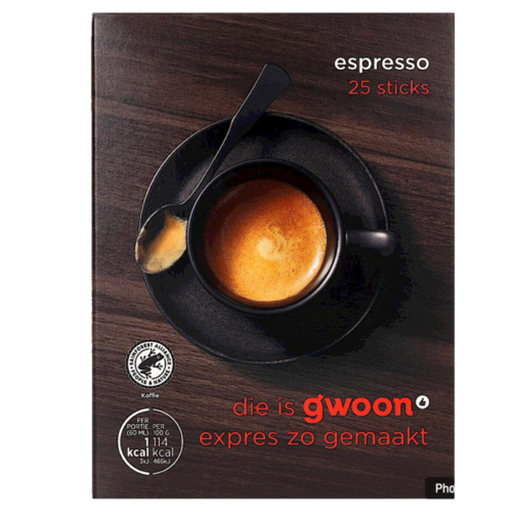
Why this fits the profile: The 25 individual sticks are easy to dose and require no coffee machine. Handy for home, the office or on the go.
You don't need to check capsule compatibility or machine settings. Each stick contains a fixed portion of instant coffee.
25 portions, 100% instant coffee according to the product information and an aluminium individual wrapper.
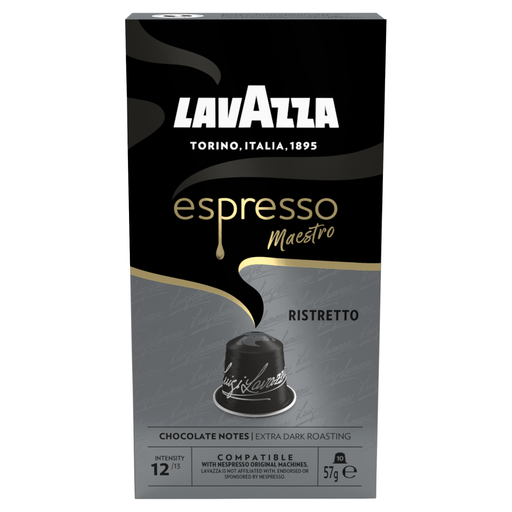
Why this fits the profile: For users looking for a compact capsule with a strong flavour profile for a Nespresso machine.
The product description clearly states the Nespresso system, the blend of Arabica and Robusta and intensity 12/13.
10 capsules totalling 57 grams; according to Lavazza, chocolate and caramel notes are present.
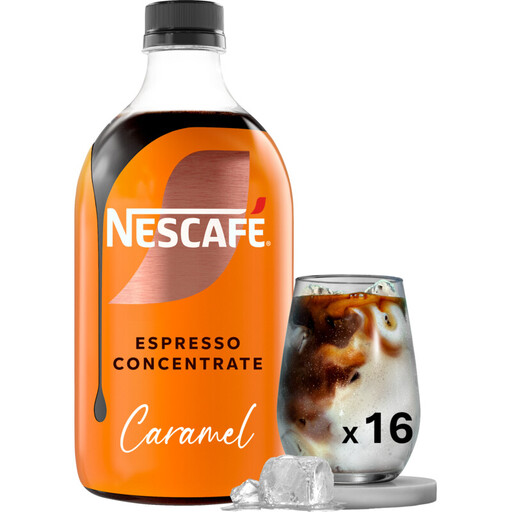
Why this fits the profile: Suitable for anyone who wants to make espresso, iced coffee and milk-based drinks with one base product.
The bottle states 500 ml content and 16 portions according to the product description, so you can estimate usage in advance.
Caramel flavour, instant coffee as a base and usable for hot or cold preparations.
We've put together a full, up-to-date list of products that fully meet these strict selection criteria and comply with current European safety regulations.
Use instant espresso coffee, an espresso stick or liquid concentrate. Follow the ratio on the packaging. For the Nescafé stick mentioned, that's 60 ml of hot, not boiling, water. For concentrate, you can add water, milk or ice according to the instructions.
The exact date is on the packaging. Unopened capsules and sticks generally stay protected from air and moisture for longer than an opened jar or bottle. Store the product in a dry, dark place and keep it well sealed. An opened concentrate may have additional storage instructions, so always check the label.
Calculate the price by dividing the pack price by the number of capsules, sticks or stated portions. With concentrate, the cost per cup depends on how much you use. So don't just compare the weight, but also the number of servings and the recommended dosage.
