
Vandaag of morgen in huis

Kwaliteit gegarandeerd

Welkomstaanbiedingen ontgrendelen: GRATIS bezorging | Tot 80% korting | Gratis 30 dagen JoyPlus-proefperiode
Download de app
Choosing a good espresso coffee doesn’t start with an eye-catching packet or a high intensity score. What really matters is whether the coffee works with your machine, your brewing method and your taste preferences. Skip this step, and you could end up paying too much for capsules that aren’t compatible, beans that are ground incorrectly, or a product that loses its aroma quickly after opening.
Not every capsule fits every coffee machine. A pack labelled “Nespresso compatible capsules” is designed for machines using the classic Nespresso capsule system, but that doesn’t automatically mean the capsule will work with other systems, such as Dolce Gusto or professional L’OR machines.
So, before you buy, check:
If you’re unsure, the product page or your machine’s manual is more reliable than just a picture on the packaging.
An intensity score usually gives an indication of roast, body and flavour strength. It isn’t a universal measurement across different brands. An espresso with intensity 12 can taste quite different from a product with intensity 10 from another brand.
Also pay attention to the blend. Robusta often contributes to a strong, spicy flavour and a thick crema. Arabica coffee is frequently described with fruity, smooth or aromatic notes. A blend of both can produce a powerful espresso with more body.
A pack of 40 or 60 capsules may work out cheaper per cup, but only if you actually enjoy the taste. With coffee beans, freshness also matters. A 500 g bag is practical for daily use, but store opened beans in an airtight container, in a dry place away from direct sunlight.
So don’t just compare the total price – also look at:
First, choose the format that fits your routine:
Look at the label for Arabica, Robusta, a blend and the roast profile. A dark roast often gives a roasted, bold impression, while a lighter roast can leave more room for fruity or floral notes. These are flavour indicators, not a guarantee for every user.
If you’re looking for Italian coffee, look for brands and blends that, according to the product description, emphasise an Italian origin or style, such as Lavazza espresso. Always check the ingredients and brewing instructions.
Coffee easily absorbs moisture and odours. So store capsules, ground coffee and beans in a cool, dry place, away from heat and direct sunlight. Seal an opened pack tightly. Don’t use any product where the packaging is damaged. The official best-before information is on the packaging and can vary between batches.
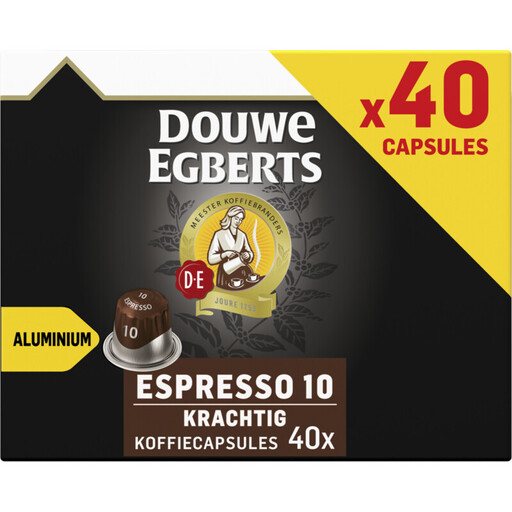
Why this fits the profile: This pack contains 40 capsules and, according to the product description, is intended for Nespresso* coffee machines. That makes it a practical choice for daily use, provided your machine is compatible.
The quantity per pack and the capsule system are clearly stated. Do check the exact machine compatibility before buying a larger stock.
40 capsules; blend of Arabica and Robusta; the product description mentions a strong, spicy flavour.

Why this fits the profile: Suitable for users with a bean-to-cup machine or coffee machine with a grinder who want to adjust the grind and dose themselves.
You’re not buying pre-ground coffee that might not suit your machine. The beans give you the flexibility to adjust the grind to your brewing method.
500 g pack; according to the product information, 100% Arabica; intended for bean-to-cup coffee machines.
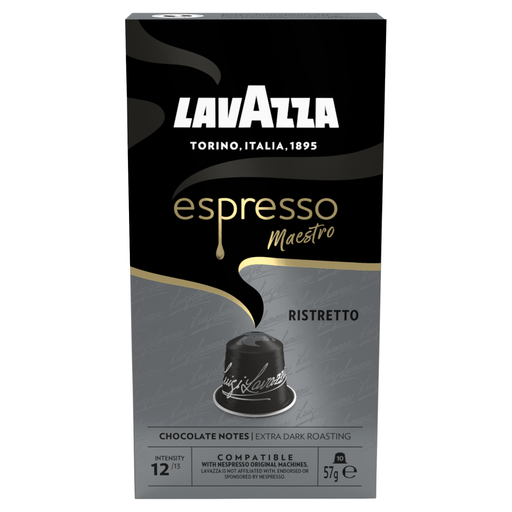
Why this fits the profile: For anyone who wants a compact, intense espresso without grinding beans or weighing coffee.
According to the product description, the capsules are intended for Nespresso. The stated intensity of 12/13 makes the flavour expectation clearer than just a marketing name.
10 capsules totalling 57 g; blend of Arabica and Robusta; according to the product description, notes of chocolate and caramel.
If you don’t have a coffee machine available, instant espresso coffee and coffee concentrates are practical alternatives. Nescafé Espressostick contains 1.8 g portions; according to the brewing instructions, you add 60 ml of hot, not boiling, water. That’s handy at the office, while travelling, or in a place with limited kitchen facilities.
A concentrate such as Nescafé Espresso Concentrate Caramel or Vanilla is designed to be diluted. Check the ingredients list: the variants mentioned contain sugar and flavourings. Yongpu concentrate is available in a sugar-free version and a caramel-flavoured version with erythritol. If you’re sensitive to caffeine, always check the label and the recommended usage.
We’ve put together a full, up-to-date list of products that fully meet these strict selection criteria and comply with current European safety regulations.
Choose capsules that explicitly state they are suitable for Nespresso or the classic Nespresso system. Also check your machine’s manual. Compatibility with Nespresso does not mean the capsule is suitable for any other capsule system.
The exact best-before date is on the packaging. Store opened beans in an airtight container, in a dry place away from direct sunlight. It’s better to buy an amount you’ll use within a reasonable period, so the aroma is exposed to air for less time.
That depends on the price per gram, the dosage and your machine. Capsules offer convenience and a fixed portion, while beans or ground coffee often give you more control over the amount per cup. Compare the price per serving and take into account the equipment you need.
