
Vandaag of morgen in huis

Kwaliteit gegarandeerd

Welkomstaanbiedingen ontgrendelen: GRATIS bezorging | Tot 80% korting | Gratis 30 dagen JoyPlus-proefperiode
Download de app
A good choice of espresso coffee doesn't start with a well-known brand name, but with the way you drink your coffee. Do you use a Nespresso machine, do you grind your own beans, or do you mainly want to make a quick cup at the office? Each brewing method calls for a different product.
There are also a few pitfalls when buying online. A high intensity rating doesn't automatically mean the flavour will suit you. And a pack with lots of servings may be less economical if you only use the capsules or sticks occasionally. The following points will help you compare more effectively.
An intensity score, such as 5/13 or 12/13, generally describes the flavour impression, roast and blend. It is not a universal measure of caffeine content. A strong espresso can taste powerful and bitter, while a milder Arabica coffee can still contain caffeine.
So look at the product information and ingredients. Some liquid coffee products state the amount of caffeine. Yongpu, for example, states that its concentrate contains at least 200 mg of caffeine per kilogram. Other products do not provide a comparable value. So don't compare scores as if they were the same technical measurement.
Not every espresso coffee fits every machine. Nespresso capsules are designed for machines with the Nespresso capsule system, while beans are only suitable for a bean-to-cup machine or piston machine with a built-in or separate grinder. Ground espresso coffee, on the other hand, requires a compatible filter holder.
Check before you buy:
A capsule that doesn't fit properly can cause leaks, poor extraction or waste.
A box of 40 capsules may seem good value, but the price per cup is more important. With coffee beans, you also need to consider the dosage per espresso and the fact that you need a grinder. Coffee sticks and instant espresso coffee usually have a fixed serving, making consumption easier to calculate.
Also pay attention to the best-before date, the seal after opening and the storage instructions. Coffee loses its aroma more quickly due to light, heat, moisture and an open pack.
First, choose between five practical formats:
The preparation format determines more about ease of use than the brand name. If you want the same cup every morning, capsules or sticks are often the best option. If you enjoy experimenting with grind size and extraction time, you're better off looking at coffee beans.
Arabica coffee is often described with softer, fruity or aromatic notes. According to product descriptions, Robusta can contribute to a stronger profile and more body. This is no guarantee of a particular flavour, as roast, origin and preparation also play a part.
A dark roast often gives a pronounced flavour with notes such as cocoa, nuts or wood. A lighter or medium roast can reveal more aroma and acidity. Use flavour descriptions as a guide, not as a fixed result.
Check the net weight and number of servings. For example, Lavazza Espresso Lungo contains 10 capsules with a total weight of 56 grams and has an intensity of 5/13 according to the product information. The Lavazza Ristretto capsules are listed with an intensity of 12/13 and a pack of 10 capsules.
For a large mug, a lungo or concentrate solution is more practical than a small ristretto. If you want a strong espresso, don't just look at the intensity score, but also at the recommended amount of water and the bean blend used.

Why this fits the profile: These capsules are individually portioned and designed for Nespresso machines. This makes preparation predictable without loose beans or a coffee grinder.
The pack states the capsule system, the number of units, the weight and the intensity score. This means you can check the contents before buying.
10 servings, ground roasted coffee and, according to the product description, a sweet flavour profile with intensity 5/13.

Why this fits the profile: For those who want to grind at home and adjust the flavour with each brew. According to the product information, the beans are 100% Arabica and have an intensity of 6/10.
The composition and intensity are clearly stated. You don't have to rely on a marketing term like "Italian coffee" as your only buying criterion.
500 grams of coffee beans, 100% Arabica according to the label and a profile with subtle floral and chocolate notes according to the product description.
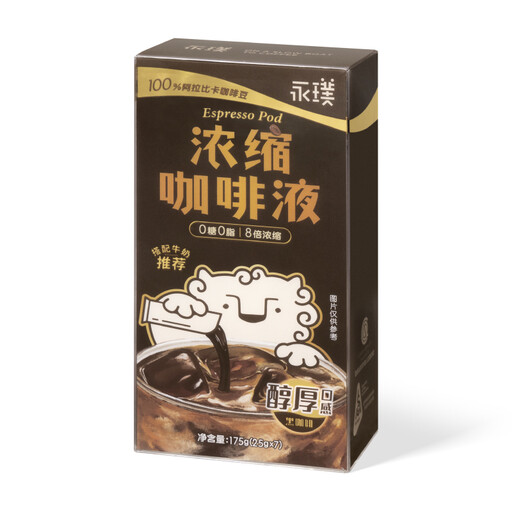
Why this fits the profile: The seven individual servings are ideal for quick use at home, in the office or on the go. You can mix the concentrate with water, milk or ice.
The servings are individually packed and the instructions are simple. No grinder or capsule machine is needed.
175 grams total, seven servings of 25 grams, no added sugar or fat according to the product information and a stated caffeine content of approximately 85 mg per serving.
We've put together a full, up-to-date list of products that fully meet these strict selection criteria and comply with current European safety regulations.
Espresso mainly refers to a concentrated brewing method where water is forced through coffee under pressure. Espresso coffee can be sold as beans, ground coffee, capsules, instant powder or concentrate. Not every variety is prepared in the same way.
Always follow the date and storage instructions on the pack. Store coffee in a cool, dry place away from direct sunlight. Seal an opened bag or jar tightly. Ground coffee generally loses its aroma more quickly than whole beans due to the larger surface area.
That depends on the product, the pack and the serving size. Calculate the price by dividing the purchase price by the number of capsules, sticks or stated servings. With coffee beans, also factor in the amount used per espresso. This way, you can compare capsules, espresso coffee beans and coffee concentrate on the same basis.
