
Vandaag of morgen in huis

Kwaliteit gegarandeerd

Welkomstaanbiedingen ontgrendelen: GRATIS bezorging | Tot 80% korting | Gratis 30 dagen JoyPlus-proefperiode
Download de app
An ergonomic baby carrier can be useful when going for a walk, doing the shopping or travelling on public transport. You keep your hands free while your baby stays close to you. However, not every baby carrier is suitable for everyday use. A low price, attractive fabric or promise of “all-day comfort” means little if the fit is not right.
A carrier suitable for 3 to 20 kg may appear to offer long-term use. That does not automatically mean it will fit well at every stage. Also check the minimum age, minimum weight and developmental stage. Some models are only suitable once a baby can support their head independently. Others are designed for use from birth.
A cotton baby carrier feels soft and is often machine washable. In warm weather, however, cotton may allow less air to pass through than mesh. If you often use the carrier outdoors, while travelling or in a warm home, it is better to look for Air Mesh panels and ventilation. A breathable baby carrier does not automatically prevent heat build-up: also check your baby’s clothing and keep their face uncovered.
A baby carrier with lumbar support only helps when the strap sits firmly and comfortably around your body. Wearing it too loosely can shift the weight onto your shoulders. Adjusting it too tightly can be uncomfortable for both parent and child. The manufacturer’s instructions should always take priority; check the buckles, straps and seams before every use.
Compare the stated range with your baby’s current weight. According to the product information, a model with a range of 3.18 to 19.96 kg is intended for babies from approximately 3 to 24 months. This range is a product specification, not a guarantee that one fit will remain equally comfortable throughout the entire period.
Also consider the carrying direction. The models in the selection below are mainly intended for front carrying, with the baby facing the parent. A baby who cannot yet support their head independently should only be carried in a suitable position according to the instructions.
With an ergonomic baby carrier, the knees should ideally be higher than the bottom, so that the legs form an M-position. Check that the seat is wide enough and that the fabric does not cut into the groin. According to the product description of the Momcozy models, the seat and adjustment points are designed to support this position. This is a claim made in the product information; always follow the instructions and stop using the carrier if there is pain or visible discomfort.
Head and neck support is particularly important for young babies. A foldable neck support can be practical, but it must not cover the face or obstruct the airway.
For everyday use, machine washability, adjustable shoulder straps and a cross-back or X-shaped back are practical features to consider. A lightweight baby carrier weighing approximately 760 to 771 grams can be convenient when you are out and about, but carrying comfort also depends on how the weight is distributed.
Choose cotton when softness and easy washing are important. Choose mesh when ventilation on warm days is more important. A baby and toddler carrier should also be easy for different carers to adjust correctly.
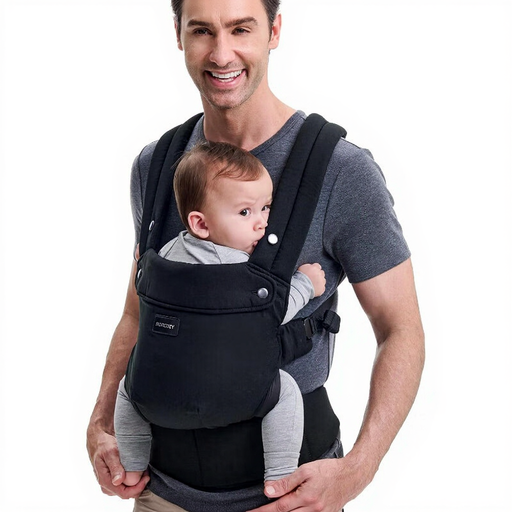
Why it suits this profile: A cotton carrier for front carrying, with a range of approximately 3.18 to 19.96 kg and three adjustment positions.
The product information states that it has an adjustable fit, padded leg openings and machine-washable 100% cotton. Nevertheless, check the adjustment each time you use it.
100% cotton, machine washable, EVA lumbar support and a stated carrying range of up to approximately 20 kg.
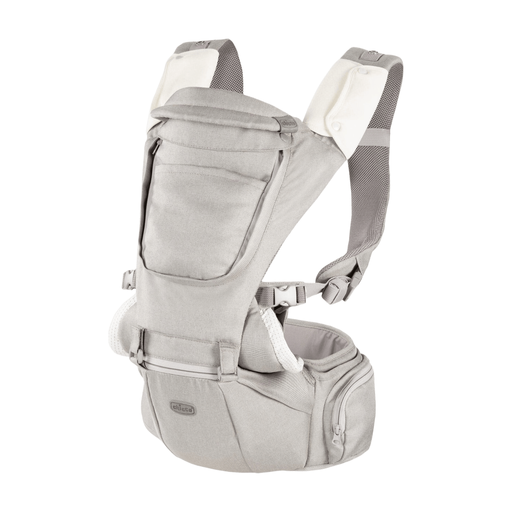
Why it suits this profile: Suitable for parents who want to use several carrying configurations on outings and during everyday care.
According to the product description, the base and carrier can be used together or separately. This means you are less reliant on a single carrying style.
3-in-1 use, removable hip seat and several carrying positions from the stated ages.
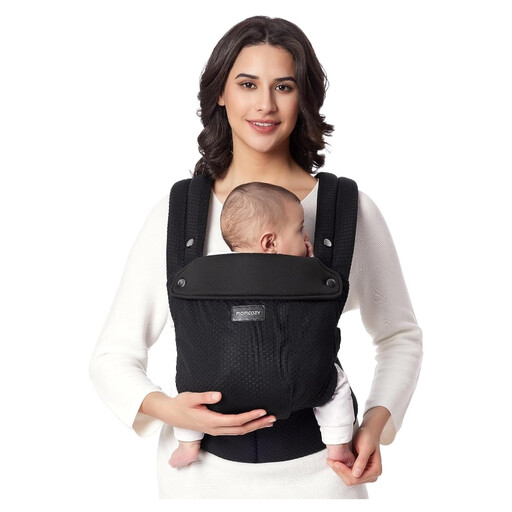
Why it suits this profile: A lightweight carrier with Air Mesh for parents who often walk, travel or spend time outdoors.
The mesh design is specifically intended to promote air circulation. The stated weight is approximately 760 grams; also always check your baby’s fit and temperature.
Air Mesh, machine washable, X-shaped back and EVA lumbar support; according to the product information, suitable for approximately 3.18 to 19.96 kg.
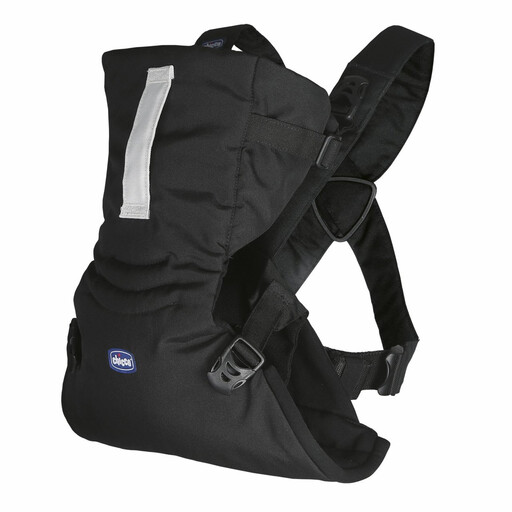
Why it suits this profile: According to the product description, this carrier is suitable from birth up to 9 kg and is put on like a T-shirt.
The weight and age limits are clearly defined. This makes it easier to see when a different carrier is needed.
T-shirt style, adjustable wide seat, foldable neck support and a stated maximum weight of 9 kg.
A baby carrier does not protect against a fall or road accident. Before every carrying session, check that:
If there is any conflict, always follow the instructions for the specific model. Stop using the carrier if you or your baby experience pain, breathing difficulties or clear discomfort.
We have put together a complete, up-to-date list of products that fully meet these strict selection criteria and the applicable European safety regulations.
This varies by model. Some baby carriers are suitable from birth, while others may only be used from around 3 months, according to the product information. Always check the minimum weight, head support and the manufacturer’s instructions.
How long it can be used depends on the weight limit, wear and tear, and your child’s growth. Inspect the buckles, straps and seams regularly. A carrier suitable up to approximately 20 kg may last longer than a model with a 9 kg limit, but only while the fit remains comfortable and safe.
Cotton is soft and generally easy to wash. Mesh can provide greater air circulation on warm days. Consider how you plan to use it, but in both cases check the temperature, visibility of the face and correct adjustment.
