
Vandaag of morgen in huis

Kwaliteit gegarandeerd

Welkomstaanbiedingen ontgrendelen: GRATIS bezorging | Tot 80% korting | Gratis 30 dagen JoyPlus-proefperiode
Download de app
Do you often wake up with a stiff neck or nagging shoulder pain? A good night's sleep is essential, but the wrong pillow can seriously disrupt it. The search for the right pillow can be overwhelming due to all the marketing terms and promises.
As a Joybuy Product Recommendation Officer, my job is to help you. In this guide, we'll explore what to look for when choosing an ergonomic pillow for neck pain, based on clear product specifications and practical considerations. This will help you make an informed choice that suits your body and sleeping habits.
Before we look at specific products, here are three key points to help you filter the options.
Many ergonomic pillows use memory foam. This material is known for moulding to the contours of your head and neck in response to body heat and pressure. The result is personalised support that distributes pressure evenly. A good memory foam pillow offers a balance of comfort and firmness, allowing your neck muscles to relax. Pay attention to the density and "slow-rebound" properties; this means the pillow slowly returns to its original shape, ensuring stable support throughout the night.
Your sleeping position determines the height and shape of the pillow you need.
An orthopaedic pillow often has a specific, contoured shape. This is usually a wavy contour with two different heights. The higher side is designed to support the neck, while the lower side cradles the head. This shape is engineered to keep the cervical spine (your neck vertebrae) in a neutral position, which can help reduce tension and pain.
Based on the criteria above, we have highlighted a few products that deserve your attention.
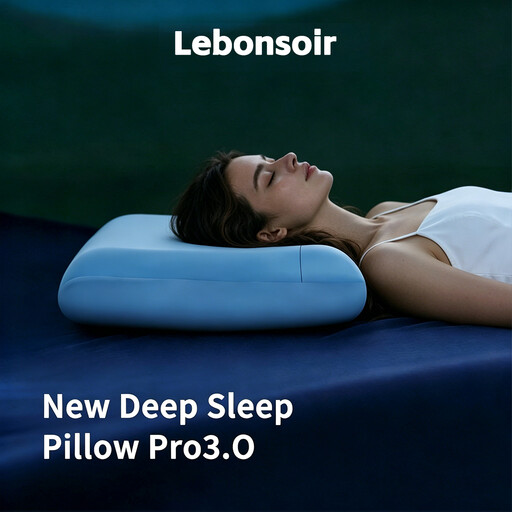
Lebensoir Ergonomic Neck Support Pillow, Cervical Pillow for Neck & Shoulder Pain
Why It Stands Out This pillow is designed with a specific focus on ergonomics. According to the manufacturer, Lebensoir, the pillow features a 3-layer foam construction. The first layer is soft, slow-rebound memory foam that conforms to your head and neck. The second layer provides support to prevent you from sinking in too deeply, and the third layer ensures a stable base. The contour shape is intended to follow the natural curve of the neck and align the spine.
Benefits
Who Is This Pillow For? This pillow for neck pain is an excellent option for people who regularly suffer from neck and shoulder issues, such as office workers, students, and seniors. It is also suitable for anyone looking to improve their sleeping posture and overall sleep quality.
A good pillow is an important step, but for optimal comfort, your entire bed matters. The following products are not pillows, but they can contribute to a better night's sleep.

MENDALE Memory Foam Mattress Topper - 5cm
A memory foam mattress topper can relieve pressure on your entire body, from your shoulders to your hips. This can be a great addition if your mattress is too firm and you're looking for extra comfort and pressure relief.
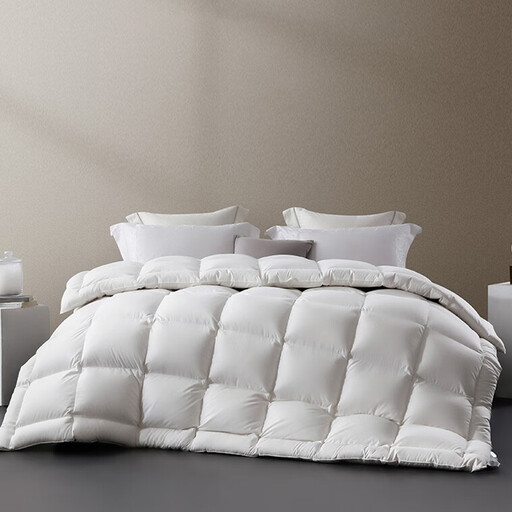
MENDALE Duvet Insert - Duck Feather and Down Duvet
A comfortable duvet that suits the season helps regulate your body temperature. This promotes deeper, more uninterrupted sleep, allowing your body to recover better.
If the recommended pillow isn't exactly what you're looking for, or if you want to compare more options, there are many different types of ergonomic pillows available, each with unique features. Take a look at our wider selection to find the pillow that's perfect for you.
If you wake up in the morning with a stiff neck, headaches, or pain radiating to your shoulders, your pillow could be the culprit. A pillow that is too high, too low, too firm, or too soft can force your neck into an unnatural position. Try to notice if the pain subsides during the day; if so, it's likely that your sleeping posture and pillow are playing a role.
A regular pillow is typically a rectangular bag filled with material like down, feathers, or synthetic fibres, with the primary goal of comfort. An orthopaedic pillow is specifically designed to support the neck and spine in an ergonomically correct posture. This is often achieved through a contoured design and materials like memory foam.
It can take some time for your body to adjust to a new, supportive pillow, especially if you've been sleeping on the wrong one for years. Typically, give it one to two weeks. Your muscles and vertebrae need to adapt to the new, correct alignment. You can start by using the pillow for a few hours a night and gradually increase the duration.
