
Vandaag of morgen in huis

Kwaliteit gegarandeerd

Welkomstaanbiedingen ontgrendelen: GRATIS bezorging | Tot 80% korting | Gratis 30 dagen JoyPlus-proefperiode
Download de app
Waking up with a stiff neck or nagging shoulder pain is no way to start your day. A good night's sleep is essential, and the right pillow plays a more crucial role than many people realise. A standard pillow often fails to provide the support your body needs, which can lead to discomfort.
As a Joybuy Product Recommendation Officer, I'm here to help you navigate the vast array of options. In this article, we'll explore what to look for when choosing an ergonomic pillow and highlight some popular choices. Our goal is to provide you with clear information so you can find a pillow that perfectly matches your sleeping habits and needs.
The search for a good pillow for neck pain can be overwhelming. By focusing on a few key points, you can make the decision much simpler.
The material largely determines the level of comfort and support. A memory foam pillow is a popular option. This material moulds to the contours of your head and neck, distributing pressure evenly and providing proper support for your cervical vertebrae. Due to these supportive properties, this type of pillow is often referred to as an orthopaedic pillow.
Your sleeping position determines the shape and height of the pillow you need.
Some pillows offer extra features that can enhance your sleep comfort. Do you tend to get hot at night? A cooling pillow with a breathable cover or a gel layer can be a game-changer. Materials like bamboo are known for being moisture-wicking and naturally cooler.
Based on product specifications and functionality, we have selected a few ergonomic pillows that deserve your attention.
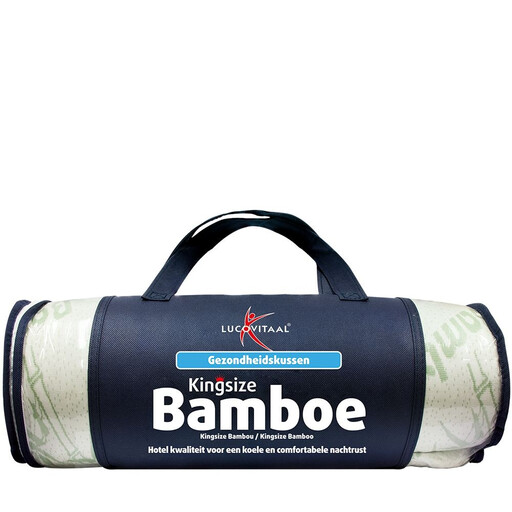
Why It Stands Out This pillow combines a pressure-relieving memory foam filling with a bamboo cover. According to the manufacturer, Lucovitaal, the bamboo fibre has a moisture-wicking and cooling effect, which can contribute to a more comfortable sleep environment. The generous "King Size" format provides a large sleeping surface.
Pros
Who Is It For? This pillow is an interesting option for people who tend to get hot at night and are looking for a large, supportive pillow with medium firmness.
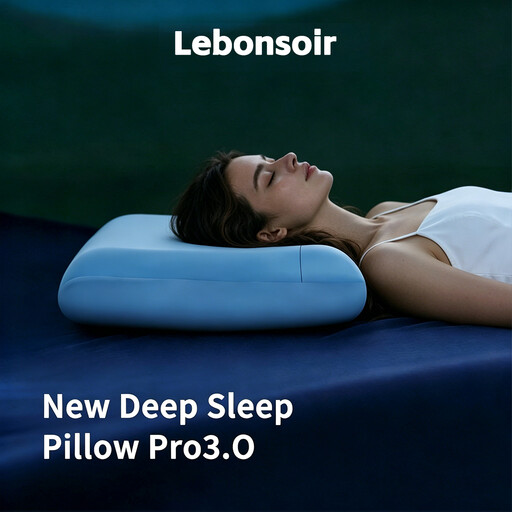
Why It Stands Out The Lebensoir 3.0 distinguishes itself with its 3-layer foam construction. The top layer is soft memory foam for comfort, the middle layer provides support to prevent sinking in too deeply, and the bottom layer ensures a stable base. This design is aimed at providing balanced support.
Pros
Who Is It For? Individuals looking for an advanced neck support pillow with a specific, layered construction for targeted support of the head, neck, and shoulders.
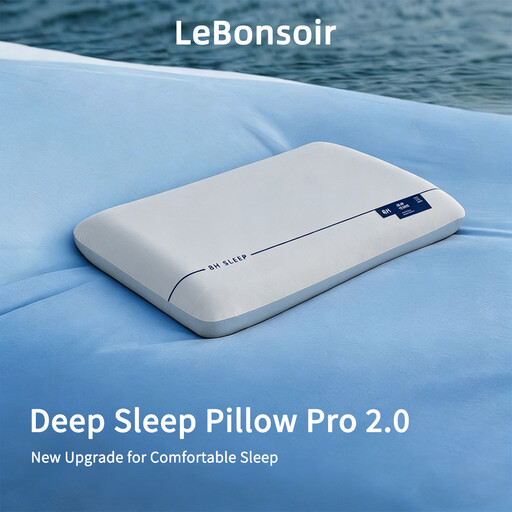
Why It Stands Out This 2.0 version from Lebensoir offers the core benefits of an ergonomic pillow in a slightly simpler design. It is made of slow-rebound memory foam and has a distinct contour shape that supports the neck. The central cutout is intended to facilitate easier breathing.
Pros
Who Is It For? A great choice for anyone trying an orthopaedic pillow for the first time. It's a functional and accessible model for students, office workers, and seniors looking to improve their sleep comfort.
The world of pillows is vast and highly personal. If the options above don't quite match what you had in mind, there's plenty more to discover. Explore our wider collection of boho home pillows for other styles, materials, and shapes.
A regular pillow is often symmetrical and filled with down, feathers, or synthetic fibres. An ergonomic pillow is specifically designed to support the natural curve of your neck and spine. This is achieved through a specific shape (contour) and materials like memory foam that adapt to your body.
The lifespan of a memory foam pillow depends on its quality and use, but it is generally recommended to replace it every 2 to 3 years. Over time, the foam loses its resilience and supportive properties.
Not necessarily. It's less about hardness and more about support. A pillow should be firm enough to keep your head at the correct height and fill the space between your neck and the mattress, but also comfortable enough to avoid pressure points. The right firmness depends on your sleeping position, body type, and personal preference.
