
Vandaag of morgen in huis

Kwaliteit gegarandeerd

Welkomstaanbiedingen ontgrendelen: GRATIS bezorging | Tot 80% korting | Gratis 30 dagen JoyPlus-proefperiode
Download de app
Waking up with a stiff neck or shoulder pain is a frustrating start to the day. The wrong pillow is often the culprit. It fails to provide proper support, leaving your spine in an unnatural position. An ergonomic pillow is designed to keep your head, neck, and shoulders aligned, which can contribute to better sleep quality and reduce discomfort.
In this guide, we'll help you understand the specifications of an ergonomic pillow. This will enable you to find a pillow that suits your sleeping posture and needs, without the marketing hype.
Choosing a pillow is a personal decision. Pay attention to the following points to find a model that's right for you.
The material determines the level of support and comfort. A memory foam pillow is a popular choice. This material contours to the shape of your head and neck in response to heat and pressure, providing even support.
Many ergonomic pillows feature a specific shape, such as a cervical pillow with a contoured, wave-like design. This shape has a higher and a lower side, designed to follow the natural curve of the neck and relieve pressure on the cervical vertebrae.
Your preferred sleeping position is crucial in determining the ideal height and firmness of the pillow.
Some pillows offer extra features that can enhance comfort. Do you tend to get hot at night? A cooling pillow with a gel layer or a breathable cover can be a great solution. These materials help dissipate heat and maintain a more pleasant sleeping temperature.
Below is a selection of products designed with ergonomics in mind. We'll highlight their specifications to help you with your choice.
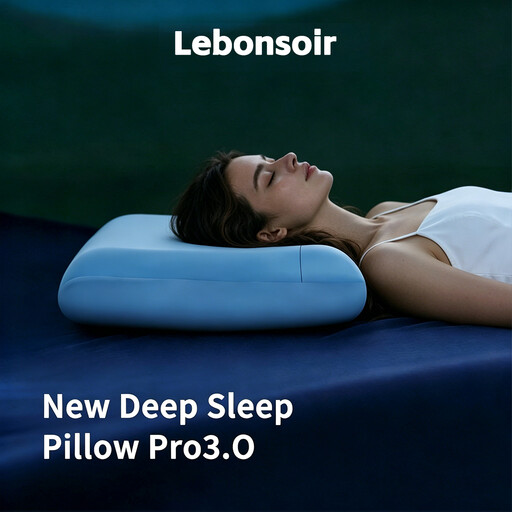
Why It Stands Out This pillow distinguishes itself with its 3-layer foam construction. The top layer of memory foam gently conforms to your head and neck. The second layer provides support to prevent sinking too deeply, while the third layer creates a stable base. This combination is aimed at delivering both comfort and correct alignment.
Benefits
Who Is It For? This pillow is an interesting option for those looking for a pillow for neck pain and who switch between different sleeping positions. The layered construction offers versatile support that adapts to various needs.
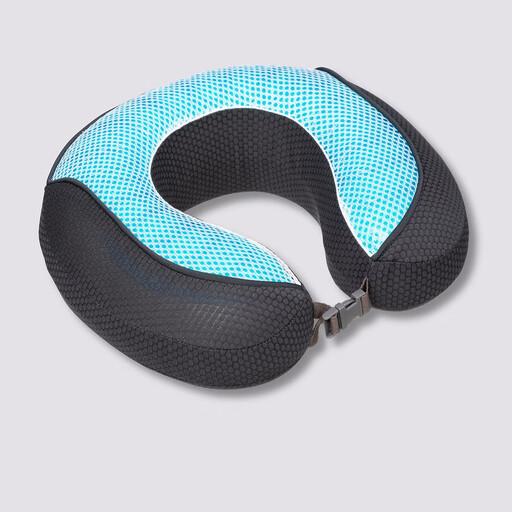
Why It Stands Out This neck pillow is specifically designed for support on the go. The combination of memory foam with a gel layer offers not only support but also a cooling effect, which is pleasant during long journeys by car, train, or even at the office.
Benefits
Who Is It For? This pillow is intended for people who travel frequently or need extra neck support while sitting, for instance, for a nap at the office. It's less of a pillow for a full night's sleep and more of a practical solution for daytime use.

Why It Stands Out Proper support doesn't stop when you get out of bed. This product is not a pillow, but an ergonomic seat cushion. It's designed to improve sitting posture and relieve pressure on the tailbone and lower back. After all, poor sitting posture can also contribute to neck and shoulder pain.
Benefits
Who Is It For? This seat cushion is an excellent addition for office workers, drivers, and anyone who sits for extended periods. It helps reduce pressure on the spine, which can indirectly contribute to alleviating discomfort in the neck and shoulders.
Good sitting posture is just as important as good sleeping posture. Are you specifically looking for support while sitting? Check out our range of flat seat cushions for more options that can enhance your comfort throughout the day.
The terms are often used interchangeably. An ergonomic pillow is designed with comfort and efficiency for the human body in mind, aiming to support a natural posture. An orthopaedic pillow often has a more medical connotation and is specifically designed to correct or prevent physical ailments. In practice, their designs and goals overlap significantly.
This depends mainly on your sleeping position and body type. A simple guideline: when lying on your side, the pillow should fill the space between your ear and the outside of your shoulder. Your neck and spine should form a straight line. For back sleepers, a lower pillow is usually sufficient to support the natural curve of the neck without forcing the head upward.
A memory foam pillow lasts for an average of 2 to 3 years. Its lifespan depends on the quality of the foam, frequency of use, and maintenance. You'll know a pillow needs replacing when it no longer holds its shape, has permanent indentations, or fails to provide its original level of support.
