
Vandaag of morgen in huis

Kwaliteit gegarandeerd

Welkomstaanbiedingen ontgrendelen: GRATIS bezorging | Tot 80% korting | Gratis 30 dagen JoyPlus-proefperiode
Download de app
Do you often wake up with a stiff neck or a nagging ache in your shoulders? You're not alone. The wrong pillow is often the culprit. A good ergonomic pillow isn't a luxury; it's an investment in your sleep quality and overall well-being.
The market is filled with options, which can make choosing a difficult task. That's why we at Joybuy have created this guide. We'll provide practical tips and highlight several popular choices to help you find a pillow that suits your body and sleeping habits.
Before you make a decision, it's helpful to know what to look for. A good pillow provides the right support and keeps your spine in a neutral, straight alignment. Here are three key points to consider.
A pillow's material is crucial for both its comfort and support. Two common materials in ergonomic pillows are memory foam and latex.
Ergonomic pillows come in various shapes. The most well-known is the orthopaedic pillow with a contoured, wave-like design. This shape features a higher and a lower side, designed to follow the natural curve of your neck.
The ideal height and firmness are personal and depend on your body type (especially your shoulder width) and the firmness of your mattress. The goal is always the same: to maintain a straight line from your head to your tailbone. A pillow that is too high or too low will force your neck into an unnatural angle, leading to neck pain.
Based on product specifications and popular features, we've highlighted a few top ergonomic pillows for you.
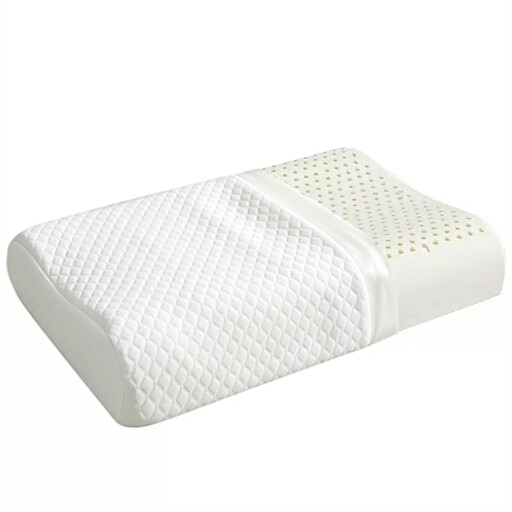
Why it stands out This pillow from JORDAN&JUDY is made of latex, which provides high resilience. Unlike memory foam, which conforms slowly, latex offers more immediate and bouncy support.
Benefits
Who is it for? This pillow is a great option for sleepers who prefer a firmer, more resilient feel over the "sinking in" sensation of memory foam.
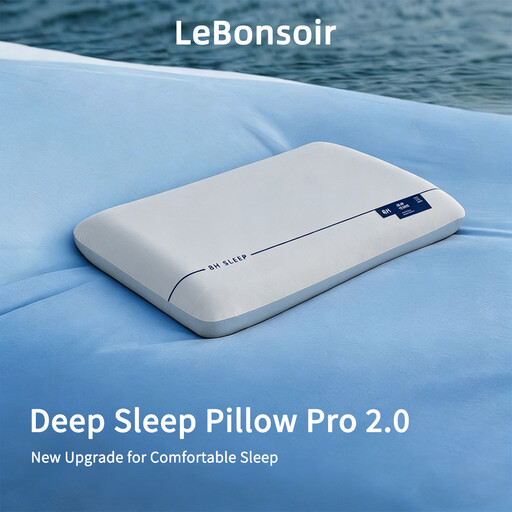
Why it stands out This neck pillow is designed with a specific ergonomic contour. It's made from memory foam with slow-rebound properties, ensuring soft yet firm support. The central indentation is designed to facilitate breathing and align the spine.
Benefits
Who is it for? This pillow is a popular choice for those looking for an all-around pillow for neck pain. It is particularly suitable for office workers, students, and seniors seeking relief from pillow-related neck issues.
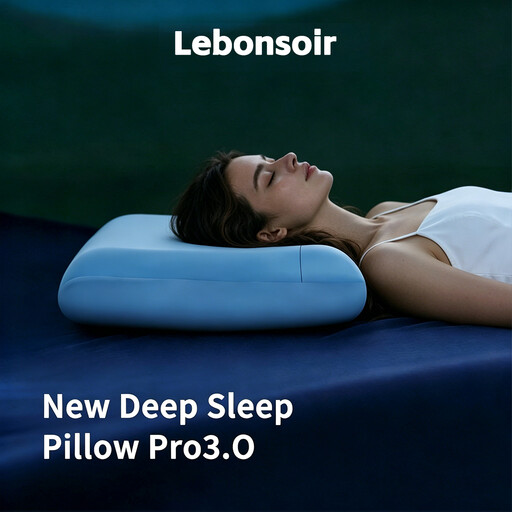
Why it stands out The Pro 3.0 version builds on the 2.0 model with an advanced 3-layer foam construction. The first layer is soft memory foam, the second layer provides support to prevent sinking too deeply, and the third layer is a stable base. The upgraded cover is designed to be breathable and moisture-wicking.
Benefits
Who is it for? This pillow is intended for users seeking a more advanced support system. Its temperature-regulating properties make it a great option for people who tend to get hot at night.
A pillow is a very personal choice. If the options above don't quite match your needs, there's plenty more to explore.
? Explore our full range in the Pillows category for more options.
The terms are often used interchangeably. An ergonomic pillow is designed for efficiency and comfort, taking human anatomy into account for an optimal sleeping posture. An orthopaedic pillow has a more medical connotation and is specifically aimed at correcting or supporting the body to prevent or alleviate physical issues. In practice, their designs and purposes largely overlap.
A general guideline is:
A memory foam pillow lasts for 2 to 3 years on average. You'll know it's time for a replacement when the pillow loses its shape, no longer springs back properly, or if you notice your symptoms returning. Regularly airing it out and washing the cover (not the foam core itself) can extend its lifespan.
