
Vandaag of morgen in huis

Kwaliteit gegarandeerd

Welkomstaanbiedingen ontgrendelen: GRATIS bezorging | Tot 80% korting | Gratis 30 dagen JoyPlus-proefperiode
Download de app
Do you often wake up with a stiff neck or sore shoulders? You're not alone. The wrong pillow is often the culprit behind poor sleep and persistent discomfort. A standard pillow doesn't always provide the support your body needs.
An ergonomic pillow is designed to follow the natural curve of your neck and spine, which can help reduce pain and improve your sleep quality. But with so many choices on the market, finding the right model can be challenging.
This guide is here to help. We'll discuss what to look for and highlight some popular choices, so you can make an informed decision.
Before making a choice, it's wise to consider a few key features. Your sleeping position and personal preferences are the most important factors.
The material largely determines the level of comfort and support. A memory foam pillow is a very common choice. This material contours to the shape of your head and neck. It provides pressure-relieving support, allowing your muscles to relax more effectively.
Materials like bamboo in the cover (pillowcase) are known for their breathable and moisture-wicking properties. This can be a great solution if you're looking for a cooling pillow, as it helps dissipate heat and sweat.
Ergonomic pillows come in various shapes. The classic, wave-like contour shape with two different heights is designed to fill the curve of your neck. This type of orthopaedic pillow is often a good match for back and side sleepers.
If you sleep on your side, you generally need a slightly higher and firmer pillow for side sleepers to fill the space between your shoulder and head. Back sleepers benefit from a medium height that supports the neck without pushing the head too far forward. Stomach sleepers should opt for the flattest and softest pillow possible to avoid overextending the neck.
The right firmness is personal and depends on your sleeping position, body type and what you find comfortable. A pillow that's too soft will let your head sink too far, while one that's too firm can create pressure points. A good ergonomic pillow strikes a balance: it's firm enough for support but soft enough for comfort.
Based on product specifications and features, we've highlighted a few interesting options for you.
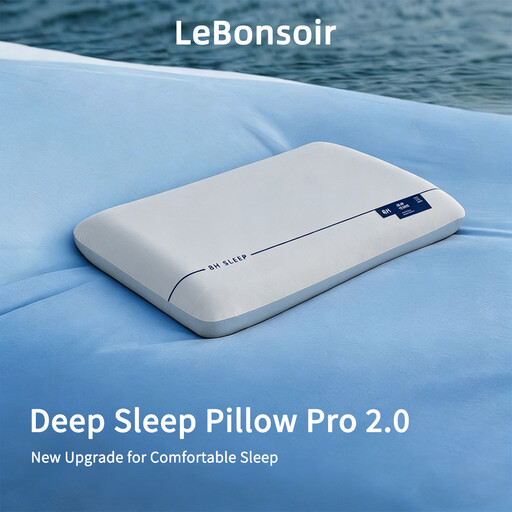
Why It Stands Out This pillow from Lebonsoir features a specific ergonomic design. It's made from slow-rebound memory foam, which provides firm yet gentle support. The contour shape is designed to follow the natural curve of the neck and shoulders. The central indentation is intended to facilitate easier breathing.
Benefits
Who Is It For? This pillow is an interesting option for those who are looking for a specific pillow for neck pain and want a model that adapts to different sleeping positions. It is particularly aimed at users who value a pre-shaped design for a stable sleeping posture.
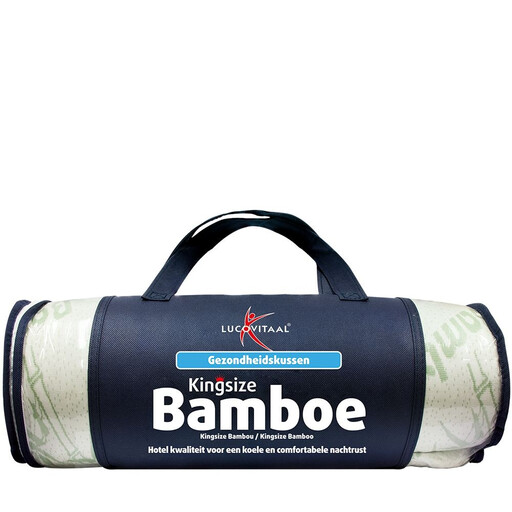
Why It Stands Out The Lucovitaal pillow combines a pressure-relieving memory foam filling with a cover infused with bamboo fibres. According to the manufacturer, the bamboo cover has a moisture-wicking effect, contributing to a cooler and more comfortable sleep environment. Its traditional, rectangular shape makes it an accessible choice.
Benefits
Who Is It For? This pillow is a great choice for people who tend to sweat during sleep and want to combine the benefits of memory foam with better temperature regulation. It's also worth considering if you prefer a larger pillow with a more traditional shape.
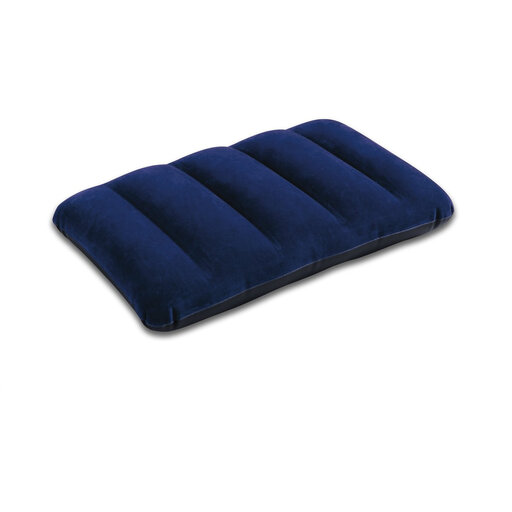
Why It Stands Out While not a typical ergonomic pillow for daily use, this one deserves a mention for its versatility. The inflatable design makes it extremely compact and lightweight. For an inflatable model, its I-beam construction offers reasonable support.
Benefits
Who Is It For? This pillow is not intended as a permanent solution for neck problems. However, it is a practical choice for travel, camping or overnight guests. It offers a better alternative to a rolled-up sweater and provides basic support when you're on the go.
Good posture doesn't stop when you get out of bed. For those who sit a lot, whether at work or in the car, a supportive seat cushion can also make a huge difference in preventing back and neck pain.
Check out our range of firm seat cushions for more comfort while sitting.
What is the difference between an ergonomic and an orthopaedic pillow? The terms are often used interchangeably. An ergonomic pillow is broadly designed to support comfort and a healthy posture, fitting the human body's structure. An orthopaedic pillow is often more specifically aimed at supporting or correcting the musculoskeletal system, for instance, in response to medical issues. In practice, their features largely overlap.
How do I know what pillow firmness I need? This depends on your sleeping position and personal preference. A general guideline:
How long does a memory foam pillow last? A memory foam pillow lasts for an average of 2 to 3 years. You'll know it's time for a replacement when the pillow loses its shape, no longer springs back properly, or when you notice the support diminishing and your discomfort returning.
