Do you often wake up with a stiff neck or sore shoulders? A good night's sleep is essential, but the wrong pillow can be a major obstacle. The search for the right one can feel overwhelming with all the available options and marketing jargon.
As a Joybuy Product Recommendation Officer, my job is to guide you. In this article, I'll provide practical information and objective product insights to help you make an informed choice for an ergonomic pillow that's right for you.
What to Look for When Buying an Ergonomic Pillow?
Before we dive into specific products, here are a few key factors to consider.
1. Your Sleeping Position is Key
The way you sleep significantly influences the type of support you need.
- Side Sleepers: When you sleep on your side, a larger gap is created between your head and the mattress. You need a firmer, higher-loft pillow to keep your neck and spine properly aligned. A good pillow for side sleepers fills the space above your shoulder.
- Back Sleepers: A medium-loft pillow is often sufficient for back sleepers. It should support the natural curve of your neck without pushing your head too far forward. A contoured neck support pillow can be particularly effective.
- Stomach Sleepers: This position is often discouraged due to the strain it places on the neck. However, if you are a stomach sleeper, opt for a very thin, soft pillow—or no pillow at all—to minimise stress on your spine.
2. Material and Properties
The material determines the comfort, support, and lifespan of your pillow.
- Memory Foam: A memory foam pillow moulds to the contours of your head and neck in response to body heat and pressure. This provides excellent pressure relief and support, which can be beneficial in a pillow for neck pain. Pay attention to density: a higher density offers firmer support.
- Latex: Latex is a natural material known for its resilience and durability. It offers firm yet flexible support and is naturally hypoallergenic and highly breathable.
- Bamboo Fibres: Often used in the pillow cover, bamboo fibres are renowned for their moisture-wicking and breathable properties. This is a major advantage for those who tend to sleep hot or sweat at night.
3. Shape and Contour
An orthopaedic pillow often has a specific shape, such as a wave-like profile with an indentation for the neck. This cervical contour is designed to keep the spine in a neutral position, allowing the neck muscles to relax.
Recommended Products for Every Need
Based on product specifications and features, we have highlighted several popular choices for you.
1. Lebensoir Ergonomic Neck Support Pillow 3.0
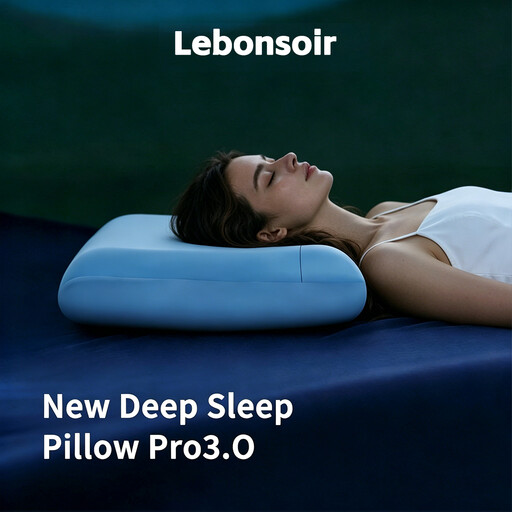
- Why It Stands Out: This pillow features a 3-layer foam construction. The top layer of memory foam gently cradles your head, the middle layer prevents you from sinking in too deeply, and the bottom layer provides a stable base. This combination is engineered for both comfort and support.
- Key Features:
- The ergonomic contour is designed to follow the natural curve of your neck and shoulders.
- The central indentation can help promote unobstructed breathing.
- The cover is breathable and moisture-wicking, which helps regulate temperature.
- Who Is It For? Its design makes this pillow suitable for side, back, and stomach sleepers. It's an excellent option for individuals seeking targeted neck and shoulder support, such as office workers or seniors.
2. Lucovitaal King Size Bamboo Pillow
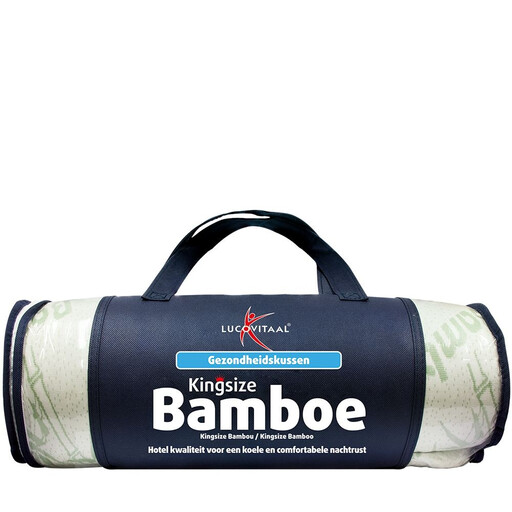
- Why It Stands Out: The combination of a pressure-relieving orthopaedic memory foam filling with a bamboo cover makes this pillow unique. According to the manufacturer, Lucovitaal, the breathable bamboo fibres provide a cooling effect and excellent moisture-wicking.
- Key Features:
- The bamboo-fibre cover is designed to keep you cool and dry throughout the night.
- The memory foam filling offers pressure-relieving support.
- With a medium firmness, it's a versatile pillow that can be comfortable for a wide range of people.
- Who Is It For? This pillow is a great choice for people who tend to get hot or sweat at night. Its medium firmness makes it suitable for both back and side sleepers who do not require an extremely high or low-loft pillow.
3. JORDAN&JUDY Latex Pillow
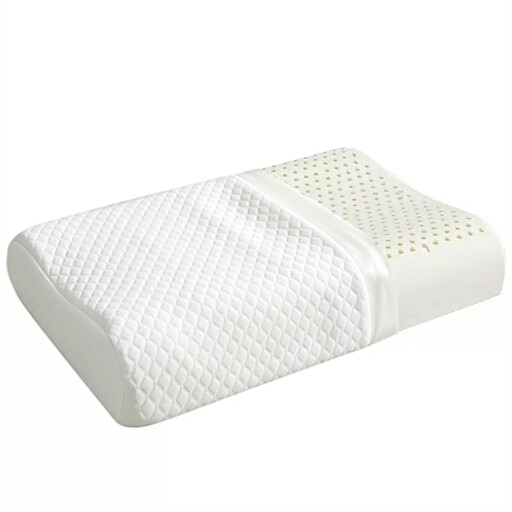
- Why It Stands Out: This pillow is made from high-resilience latex. Unlike memory foam, which has a slow response, latex provides more immediate push-back. This creates responsive support that holds its shape well.
- Key Features:
- Latex is known for its excellent ventilation, contributing to a cool sleeping environment.
- The material is naturally durable and resilient, so the pillow resists sagging over time.
- It provides consistent support without the "sinking" feeling of memory foam.
- Who Is It For? Ideal for sleepers who prefer a more resilient and firm feel. It's also a great option for those looking for a breathable and naturally hypoallergenic material.
Looking for Something Else? Complete Your Bedroom
A great pillow is the foundation of comfort, but your bedroom's atmosphere is just as important for creating a sense of relaxation. For a stylish finishing touch, explore our collection of decorative pillows.
Discover our Boho decorative pillows here
Frequently Asked Questions
1. How long does it take to get used to an ergonomic pillow?
It can take anywhere from a few nights to two weeks for your body to adjust to the new support. Your neck and shoulder muscles need time to adapt to the corrected posture, so be patient.
2. What is the difference between an orthopaedic and an ergonomic pillow?
The terms are often used interchangeably. An ergonomic pillow is designed with comfort and healthy body posture in mind. An orthopaedic pillow is specifically developed to alleviate or prevent physical ailments, such as neck pain, by promoting correct spinal alignment. In practice, their features largely overlap.
3. How do I know what pillow height I need?
The right height, or loft, depends on your sleeping position, shoulder width, and mattress firmness. As a side sleeper, you generally need a higher pillow than a back sleeper. A good rule of thumb is that your head and neck should form a straight line with your spine. Some pillows offer adjustable height with removable layers.


