
Vandaag of morgen in huis

Kwaliteit gegarandeerd

Welkomstaanbiedingen ontgrendelen: GRATIS bezorging | Tot 80% korting | Gratis 30 dagen JoyPlus-proefperiode
Download de app
Do you often wake up with a stiff neck or sore shoulders? Chances are, your pillow isn't providing the right support. The wrong pillow can force your cervical vertebrae into an unnatural position, leading to tension and disrupted sleep. An ergonomic pillow is designed to keep your head, neck, and spine aligned. But with so many choices, finding the right one can be challenging. As a Joybuy Product Recommendation Officer, I'll help you filter through the specifications so you can make an informed decision.
Before you make a choice, it's helpful to understand a few product features. This will help you determine which type of pillow best suits your needs.
Materials like memory foam and latex are popular for their specific properties. A memory foam pillow molds to the contours of your head and neck in response to heat and pressure. This provides a personalized fit and pressure relief. Latex pillows are known for their resilience and breathability, making them a great option for people who tend to sleep hot.
Ergonomic pillows come in various shapes. A contour pillow, often with a wavy shape, offers a specific recess for the neck and is typically a good pillow for side sleepers and back sleepers. The raised edges provide a stable neck support pillow function. Stomach sleepers, on the other hand, benefit from a thinner, flatter pillow to prevent the neck from bending too far back.
The height of the pillow is crucial. A pillow that is too high or too low will disrupt the alignment of your spine. Your shoulder width and the firmness of your mattress determine the ideal height. A good orthopedic pillow perfectly fills the space between your mattress and your head, keeping your neck in a neutral position.
Based on product specifications and design features, we have compiled a list of popular choices for you.
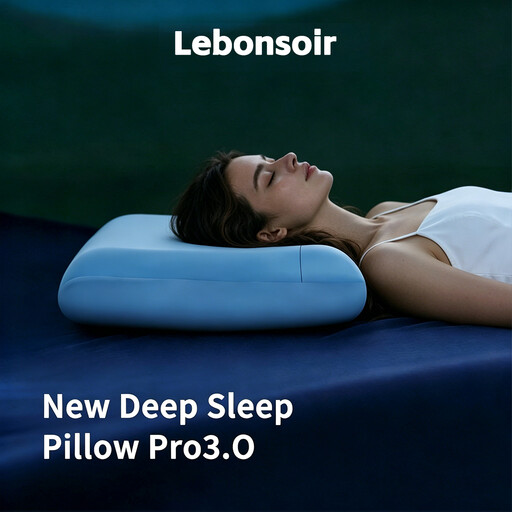
Why it stands out: This pillow uses a 3-layer foam construction. The top layer of memory foam gently conforms to your head and neck. The second layer provides support to prevent sinking too deeply, while the third layer forms a firm base. According to the manufacturer, this design aims for a balance between comfort and support.
Pros:
Who is it for? People looking for a pillow for neck pain that combines soft contouring with firm, stable support. It's an interesting option for office workers or students who spend a lot of time sitting.
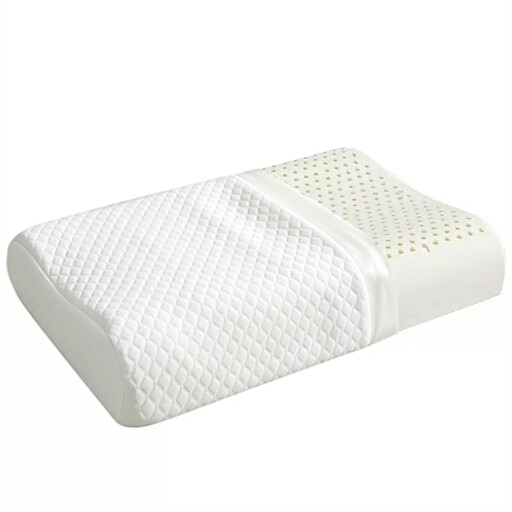
Why it stands out: This pillow is made from latex, a material known for its high resilience and durability. Unlike memory foam, latex springs back immediately, ensuring consistent support throughout the night. The material is naturally well-ventilated.
Pros:
Who is it for? Sleepers who prefer a more resilient feel than that of a memory foam pillow. Also a great choice for people who get hot at night and are looking for a pillow with good air circulation.
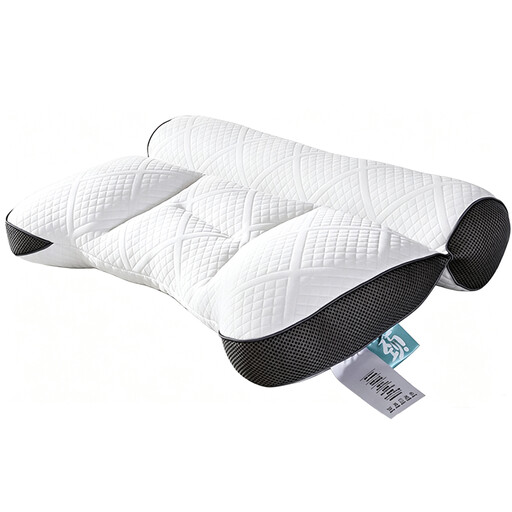
Why it stands out: This pillow features a unique design that the manufacturer calls "reverse traction." It is engineered with different zones to support and position the neck in a specific way. The filling consists of a fiber developed to resist flattening and retain its shape.
Pros:
Who is it for? Individuals seeking a very specifically shaped neck support pillow who prefer a fiber filling over memory foam or latex. It is particularly interesting for back and side sleepers who need structured support.
Now that you're improving your sleep comfort, it might also be time to address your outdoor comfort. Check out our selection of garden swing cushion covers and complete your seating area for the warmer days ahead.
Below you will find answers to some frequently asked questions about ergonomic pillows.
Lie on your side. If your head and neck are in a straight line with your spine, the height is likely correct. When you lie on your back, your chin should not be pushed toward your chest (too high) or fall backward (too low). Your shoulder width and mattress firmness also play a role here.
The terms are often used interchangeably. An ergonomic pillow is designed with comfort and an efficient, natural body posture in mind. An orthopedic pillow has a similar purpose, but the term places more emphasis on correcting or supporting posture to alleviate complaints. In practice, their designs and functions overlap significantly.
The core of a memory foam pillow should generally not be machine washed. Always consult the care label. Most covers are removable and washable. You can air out the foam itself to keep it fresh. Stains on the core can often be treated with a slightly damp cloth and a mild detergent.
