
Vandaag of morgen in huis

Kwaliteit gegarandeerd

Welkomstaanbiedingen ontgrendelen: GRATIS bezorging | Tot 80% korting | Gratis 30 dagen JoyPlus-proefperiode
Download de app
By a Joybuy Product Recommendation Officer
Waking up with a stiff neck or nagging shoulder pain is an unpleasant start to the day. Often, an improper sleeping position caused by an unsuitable pillow is the culprit. A good ergonomic pillow is designed to keep your neck and spine in a neutral position, which can help reduce discomfort and improve sleep quality.
However, the market offers an abundance of options. How do you choose the right pillow without getting lost in marketing jargon? This guide provides practical tips and concrete recommendations to help you make an informed decision.
Before we look at specific products, it's helpful to know which features are important. Pay attention to the following three points in your search.
Many ergonomic pillows use memory foam. This material reacts to body heat and pressure, allowing it to conform to the contours of your head and neck. The result is personalised support that distributes pressure evenly. A good memory foam pillow prevents your head from sinking too far and keeps the cervical vertebrae aligned with the rest of the spine.
Ergonomic pillows come in various shapes. A popular model is the cervical neck pillow, which has a special cutout or contour to follow the natural curve of the neck.
The right firmness is crucial for relieving neck pain and shoulder pain. A pillow that is too soft offers insufficient support, while one that is too hard can create pressure points. A good orthopaedic pillow strikes a balance: it's firm enough to support the neck but comfortable enough to allow for relaxation.
Based on product specifications and functionality, we have selected several options focused on comfort and support.
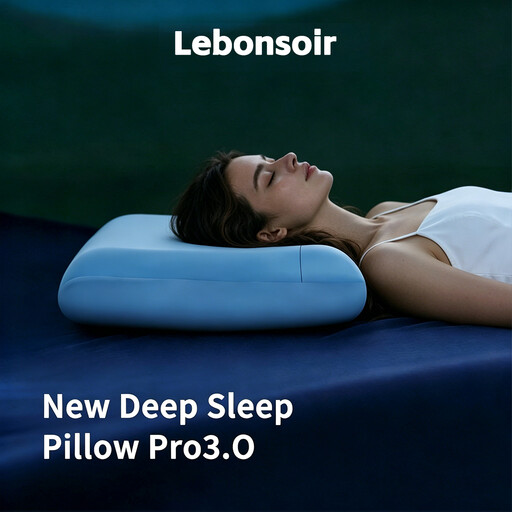
Why It Stands Out: This pillow is constructed from three layers of foam. The top layer is soft memory foam that conforms to your head and neck. The middle layer provides support to prevent you from sinking too deep, and the bottom layer ensures a stable base. According to the manufacturer, the cover is designed to be breathable and moisture-wicking, which helps regulate temperature.
Benefits:
Who Is It For? This pillow is a great choice for those seeking a specific solution for sleep-related neck and shoulder issues. It is designed to provide support regardless of your preferred sleeping position.
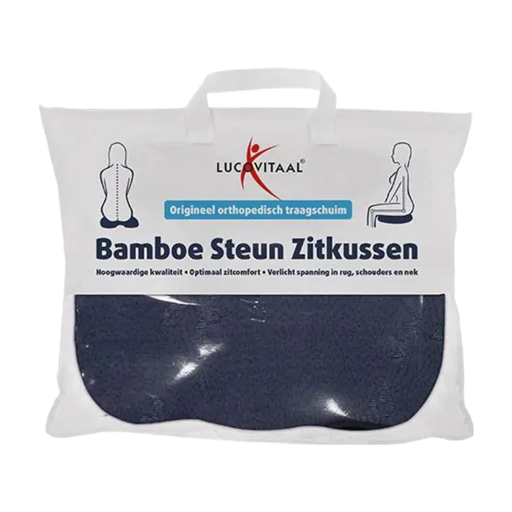
Why It Stands Out: Neck and shoulder pain doesn't always start in bed. Poor posture throughout the day can play a significant role. This seat cushion is designed to improve sitting posture. The viscoelastic foam adapts to your body, while the cutout for the tailbone reduces pressure on the spine. The cover is made from bamboo fibre, a material known for its breathable properties.
Benefits:
Who Is It For? Ideal for office workers, students and anyone who spends long periods sitting down. It complements a good pillow by addressing posture throughout the entire day.
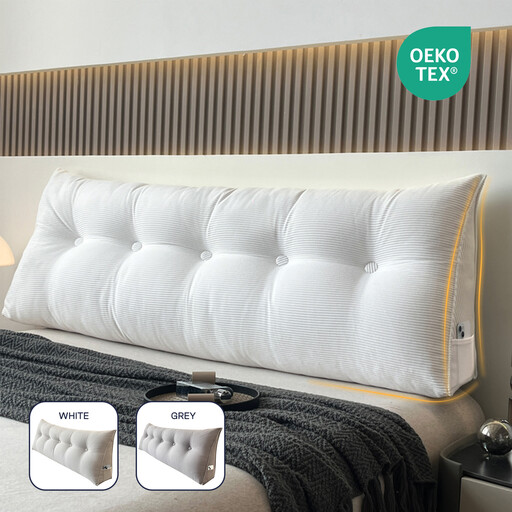
Why It Stands Out: Relaxing in bed with a book or tablet can strain your neck if you're not properly supported. This wedge-shaped back cushion is designed to provide comfortable and ergonomic support while sitting upright in bed or on the sofa. The firm filling helps prevent slouching. The pillow features a convenient side pocket for a remote control or phone.
Benefits:
Who Is It For? For anyone who enjoys spending time sitting up in bed and is looking for a way to do so more comfortably, without putting unnecessary strain on their neck and back.
The right support is highly personal. If the products above aren't exactly what you're looking for, or if you're curious about other comfort solutions, explore our wider range.
Discover more replacement cushions for chairs and ottomans
What is the difference between an ergonomic pillow and a regular pillow? A standard pillow is primarily focused on softness and comfort. An ergonomic pillow is specifically designed to support the neck and spine in a neutral, natural posture. This is achieved through a specific shape, material (like memory foam) and firmness.
How long does it take to get used to a memory foam pillow? It can take anywhere from a few nights to a week for your body to adjust to the new support of a memory foam pillow. The material needs time to adapt, and your muscles need to get used to the correct posture. So, give it some time.
Is a firmer pillow better for neck pain? Not necessarily. The ideal firmness depends on your sleeping position, body type and personal preference. The goal is support, not hardness. A pillow should fill the space between your head and the mattress without forcing your neck into an unnatural angle. A neck pillow for neck pain must find the right balance between support and comfort.
