
Vandaag of morgen in huis

Kwaliteit gegarandeerd

Welkomstaanbiedingen ontgrendelen: GRATIS bezorging | Tot 80% korting | Gratis 30 dagen JoyPlus-proefperiode
Download de app
Waking up with a stiff neck or shoulder pain is a frustrating way to start your day. Often, an unsuitable pillow is the culprit. A quality ergonomic pillow is designed to keep your neck and spine in a neutral position, which can help reduce discomfort and improve your sleep quality.
In this guide, we'll help you understand the features of a good ergonomic pillow. We'll cover what to look for and provide several recommendations for different situations, so you can make a choice that fits your sleeping habits and needs.
The market offers a wide array of choices, which can make the decision difficult. Pay attention to the following points to find a pillow that's right for you.
Most ergonomic pillows are made from memory foam. A memory foam pillow conforms to the contours of your head and neck, providing personalized support. The shape is also important. A cervical pillow, often featuring a wave-like design, has a special contour for your neck. This type of neck support pillow helps maintain the natural curve of your spine and can offer relief from pillow-related neck pain.
Your preferred sleeping position determines the type of support you need.
A good ergonomic pillow offers a balance between comfort and support. It should be firm enough to cradle your head and prevent it from sinking too deeply, yet soft enough to feel comfortable. A pillow that provides the right support can help with both pillow-related shoulder pain and neck pain.
Based on product specifications and use cases, we have highlighted several compelling options for you.
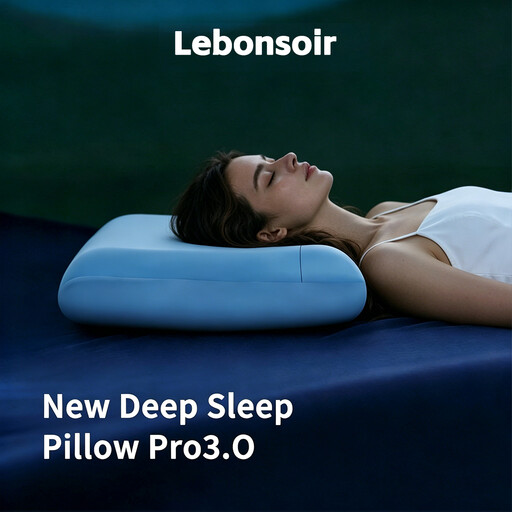
Why it stands out This pillow is notable for its 3-layer foam construction. The top layer of slow-rebound memory foam gently cradles your head and neck. The second layer provides support to prevent you from sinking in too deeply, while the third layer creates a stable base. According to the manufacturer, this design achieves an excellent balance between comfort and support.
Pros
Who is it for? This pillow is a compelling option for those seeking a solution for pillow-related neck pain or shoulder issues. It is suitable for adults, from office workers to seniors, who want to improve their sleep posture.
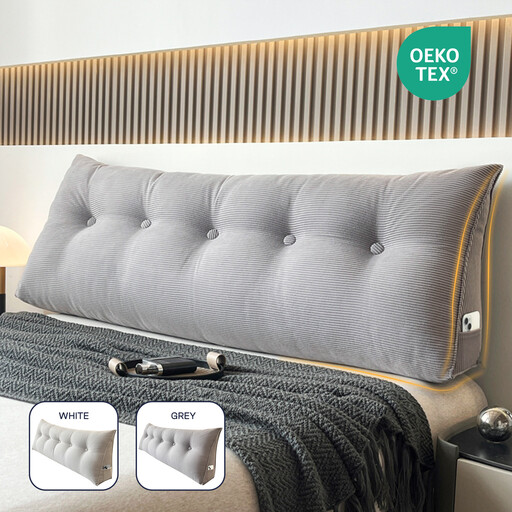
Why it stands out While not a traditional pillow for sleeping, this product offers ergonomic support in a different context. This large wedge pillow (150 cm wide) is designed to support your back when you're sitting up in bed or on the couch. After all, poor sitting posture can also contribute to neck and back pain.
Pros
Who is it for? Ideal for anyone who enjoys reading, watching TV, or working in bed. It helps maintain correct sitting posture and reduces strain on the lower back and neck.
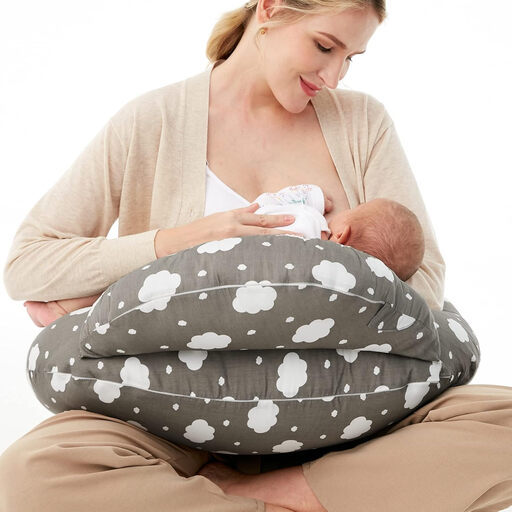
Why it stands out This pillow is a specialized ergonomic tool for a unique phase of life. It is designed to support mothers during feeding (breast or bottle). According to Momcozy, the pillow lifts the baby to an ideal height, reducing strain on the mother's arms, neck, and shoulders.
Pros
Who is it for? A practical choice for new mothers looking for a way to reduce physical strain during feeding and thereby prevent neck, shoulder, and back pain.
A good cushion is an essential part of any comfortable seating or lounging area. Are you looking for more options for comfortable sitting, such as cushions for a chair or couch?
Explore our collection of soft seat cushions for more choices.
What is the difference between an ergonomic pillow and a regular pillow? A standard pillow is typically a rectangle filled with down, feathers, or synthetic material, primarily focused on softness. An ergonomic pillow has a specific design, such as a contoured shape, intended to keep the neck and spine in a natural, neutral alignment for targeted support.
How do I know what pillow height I need? This depends heavily on your sleeping position and body type. A general guideline is that the space between your head and the mattress should be filled. Side sleepers typically need a higher pillow than back sleepers. Your shoulder width also plays a role.
How long does a memory foam pillow last? The lifespan of a memory foam pillow is typically 2 to 3 years. You'll know it's time for a replacement when it no longer retains its shape, has permanent indentations, or fails to provide its original level of support.
