
Vandaag of morgen in huis

Kwaliteit gegarandeerd

Welkomstaanbiedingen ontgrendelen: GRATIS bezorging | Tot 80% korting | Gratis 30 dagen JoyPlus-proefperiode
Download de app
Do you often wake up with a stiff neck, headaches, or shoulder pain? You're not alone. The wrong pillow can cause significant discomfort and disrupt your sleep. An ergonomic pillow is designed to keep your head, neck, and spine in natural alignment, which can help alleviate these issues.
As a Joybuy Product Recommendation Officer, I'm here to help you navigate the countless options and marketing claims. This article provides practical information and objective criteria to help you make an informed decision and find the pillow that's right for you.
The search for the right pillow can be overwhelming. To simplify your choice, pay attention to the following key factors.
The material largely determines the pillow's comfort and support. A popular choice is memory foam. A memory foam pillow moulds to the contours of your head and neck in response to heat and pressure, providing personalised support. Pay attention to the "rebound": slow-rebound foam adapts more slowly and often feels softer, while high-rebound foam springs back faster and is firmer. Other pillows use fibre fills, which offer a different, often airier feel. A good neck support pillow prevents your head from tilting too far forward, backward, or to the side.
Ergonomic pillows come in various shapes, each designed for specific sleeping positions.
The right loft (height) is crucial for avoiding pillow-related neck pain. It depends on your body frame (especially shoulder width) and your preferred sleeping position. Side sleepers generally need a higher and firmer pillow than back or stomach sleepers. Some pillows offer adjustable loft with removable layers.
Based on product specifications and design features, we've highlighted a few popular choices for you.
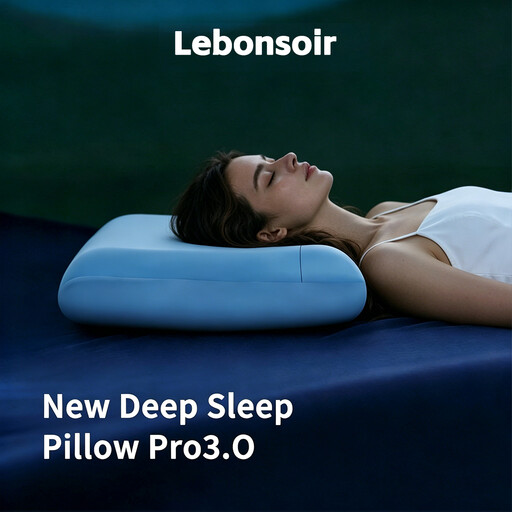
Why It Stands Out: This pillow distinguishes itself with its 3-layer foam construction. The top layer of slow-rebound memory foam gently cradles your head and neck. The middle layer provides support to prevent sinking too deeply, and the bottom layer ensures a stable base. The cover is designed to be breathable and moisture-wicking, helping to regulate temperature throughout the night.
Benefits
Who Is It For?: This pillow is a versatile option for side, back, and stomach sleepers. It's particularly appealing for those seeking an orthopaedic pillow that offers both firmness and comfort to address sleep-related pain. It's suitable for office workers, students, and seniors.
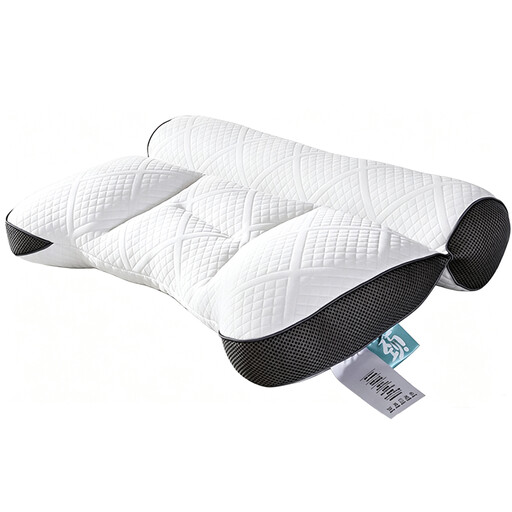
Why It Stands Out: This pillow from JORDAN&JUDY features a unique reverse traction design. Instead of memory foam, it uses a shape-retaining fibre fill. The design is focused on providing supportive traction for the neck, which offers a different sensation from the cradling properties of memory foam.
Benefits
Who Is It For?: This pillow is for users looking for a structured pillow for neck pain but who prefer the feel of a fibre pillow over memory foam. Its specific shape is primarily aimed at back and side sleepers who need targeted neck support.
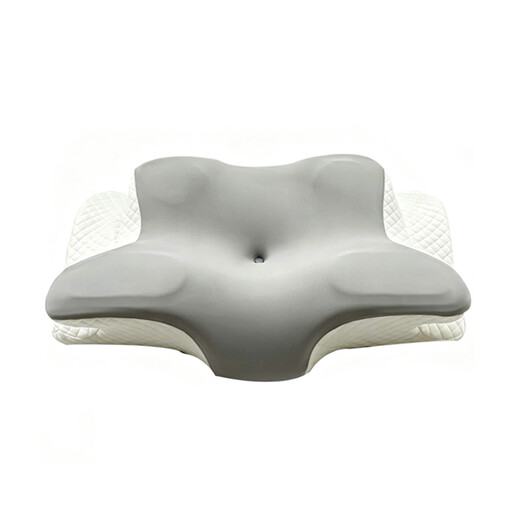
Why It Stands Out: The butterfly shape of this pillow is instantly recognisable. The cutouts on the sides are designed to create space for your arms, making it an excellent choice for side and stomach sleepers. The pillow is made from slow-rebound memory foam, ensuring a soft and gradual adaptation to your body.
Benefits
Who Is It For?: This pillow is ideal for side and stomach sleepers thanks to its unique shape. Restless sleepers who often change positions can also benefit from the versatile design that provides support in various postures.
A good pillow is a significant step towards better sleep. If you're looking for comfort not just indoors but also outdoors—for your patio, for instance—we have options for that too.
Check out our collection of Pink Patio Cushions to refresh your outdoor space.
1. How long does it take to get used to an ergonomic pillow? It can take anywhere from a few days to two weeks for your body to fully adjust to the new support. Your muscles and vertebrae need to adapt to the corrected posture. You can start by using the pillow for a few hours each night and gradually increase the duration.
2. What is the difference between an orthopaedic pillow and an ergonomic pillow? The terms are often used interchangeably. "Ergonomic" refers to a design optimised for efficiency and comfort, promoting a natural body posture. "Orthopaedic" often places more emphasis on correcting or supporting the musculoskeletal system, such as the spine. In practice, both types of pillows aim to provide better support than a standard pillow.
3. How do I care for a memory foam pillow? The memory foam core itself should generally not be machine washed. Most pillows come with a removable, washable cover. Always consult the manufacturer's care instructions. You can air out the foam to keep it fresh and spot-clean any stains by gently dabbing with a damp cloth.
