
Vandaag of morgen in huis

Kwaliteit gegarandeerd

Welkomstaanbiedingen ontgrendelen: GRATIS bezorging | Tot 80% korting | Gratis 30 dagen JoyPlus-proefperiode
Download de app
Do you often wake up with a stiff neck, nagging shoulder pain, or the feeling that you haven't slept at all? There's a good chance your pillow isn't providing the right support. The wrong pillow can force your spine into an unnatural position, leading to tension and pain.
The goal of this article is simple: to provide you with clear, practical information to find a suitable ergonomic pillow. As a Joybuy Product Recommendation Officer, I'll filter the options and help you make a choice based on product specifications and intended use, cutting through the marketing fluff.
The market for ergonomic pillows is vast. To help you get started, here are a few key points to consider.
A pillow's material directly impacts comfort and support. Two popular choices are:
The right pillow height and shape depend heavily on your preferred sleeping position.
An orthopaedic neck pillow often has a specific shape, such as a wave contour, to provide targeted support for the neck and head. Some pillows go a step further, offering extra features for relaxation, like a built-in neck massage pillow with a heat function. This can be beneficial for people who suffer from muscle tension due to stress or a sedentary work posture.
Based on specifications and intended use, we have highlighted some interesting options for you.
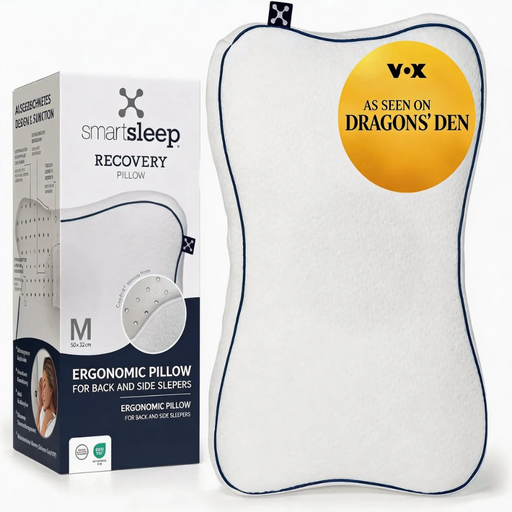
Why It Stands Out This pillow from smartsleep is designed with a focus on recovery. It combines an ergonomic shape with high-quality memory foam. According to the manufacturer, the pillow is shaped to promote a natural sleeping posture. The integrated air channels in the viscoelastic foam core are intended for optimal air circulation and temperature regulation.
Pros
Who Is It For? This pillow is an interesting option for back and side sleepers looking for targeted neck support. It is also aimed at athletes and active individuals who value recovery during sleep.
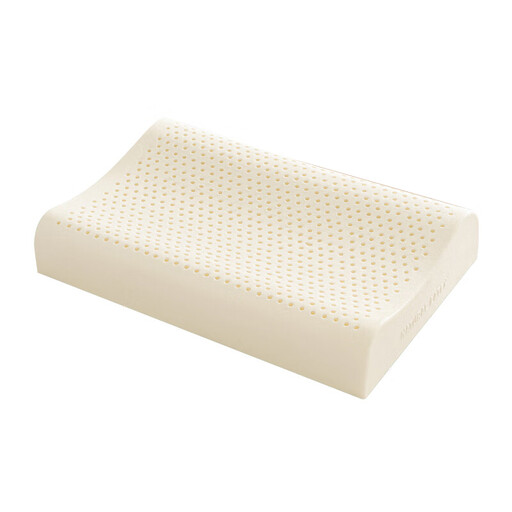
Why It Stands Out This pillow stands out for its use of 93% latex sourced from Thailand. Its unique wave-shaped design is based on ergonomic principles to support the neck and shoulders evenly. The manufacturer states that the material uses 'slow rebound' technology, allowing the pillow to adapt gradually to pressure.
Pros
Who Is It For? Ideal for those who prefer natural materials and seek resilient, yet comfortable support. It's a great choice for both side and back sleepers looking for a durable pillow for side sleepers.
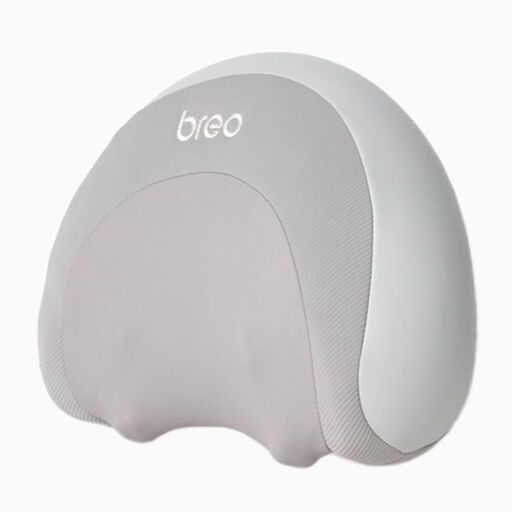
Why It Stands Out The Breo P2 is more than just a pillow; it's a neck massage pillow with a heat function. It combines passive support with active relaxation. According to the manufacturer, it uses a 'waving massage' technology that mimics a kneading motion. The heat is adjustable to two levels (40-45 °C).
Pros
Who Is It For? This product is intended for people who suffer from persistent muscle tension and are looking for active relief. It's ideal for relaxation after a long day at work or before bedtime, but note the manufacturer's warning not to use the device while you are sleeping.
Is none of these pillows exactly what you're looking for? No problem. Choosing a pillow is a highly personal decision that depends on your body, sleeping habits, and preferences. Many different types and sizes are available.
Discover more options in our wider collection of pillows.
A good rule of thumb is to check if your spine is in a straight line. If you're lying on your side and your head is pushed upwards, your pillow is too high. If your head hangs down, it's too low. For back sleepers, your chin shouldn't be pushed towards your chest (too high) or fall too far back (too low).
The lifespan of an ergonomic pillow depends on the material and quality. Generally, it's recommended to replace a memory foam or latex pillow every 2 to 3 years. You'll know it's time for a new pillow when it loses its shape, becomes lumpy, or no longer provides its original support.
An ergonomic pillow is a tool designed to promote comfort and a better sleeping posture. By correctly aligning the neck and spine, it can help reduce the tension that causes pain. However, it is not a medical device. For persistent or severe symptoms, it is always wise to seek advice from a doctor or physical therapist.
