
Vandaag of morgen in huis

Kwaliteit gegarandeerd

Welkomstaanbiedingen ontgrendelen: GRATIS bezorging | Tot 80% korting | Gratis 30 dagen JoyPlus-proefperiode
Download de app
A good office chair is not a luxury, but a necessity. This is especially true now that many of us spend a large part of the day sitting, whether at the office or working from home. The wrong chair can lead to back, neck, and shoulder pain. However, the market for ergonomic office chairs is filled with marketing terms and promises that don't always deliver.
As a Product Recommendation Officer at Joybuy, I see the challenges consumers face every day. To help you avoid a bad purchase, I will highlight two common pitfalls and explain what you really need to look for.
Pitfall 1: The "one-size-fits-all" myth. Many chairs are labelled 'ergonomic' but offer only minimal adjustment options. A chair that isn't tailored to your body and posture won't provide genuine support.
Pitfall 2: Materials that look good but don't perform. A chic appearance says nothing about long-term comfort. Non-breathable materials can become sweaty and uncomfortable, while low-quality materials wear out quickly.
To find a chair that truly contributes to a healthy sitting posture, it's important to look beyond the marketing. Focus on the following three concrete specifications.
Almost every ergonomic chair has some form of lumbar support, but there's a crucial difference. Static support is a fixed curve in the backrest or a separate cushion. This is better than nothing, but an office chair with lumbar support that is dynamic actively adapts to your movements. This type of support moves with you as you change posture, providing continuous support to the lower back, exactly where it's needed.
Armrests aren't just for resting your arms; they play a key role in relieving stress on your shoulders and neck. Standard armrests are often only height-adjustable (1D). For optimal support, look for an office chair with 4D armrests. This means you can adjust them in four directions:
The choice of material directly impacts your comfort during long workdays. A breathable mesh office chair is a popular choice for intensive use. The material provides excellent air circulation, which prevents you from feeling hot and sticky. Fabric upholstery can feel softer and offer more colour options, but it generally ventilates less effectively. Choose mesh if you prioritise functionality and comfort for long sessions.
Not everyone has the same needs. Below are two recommendations, tailored to a specific user profile.
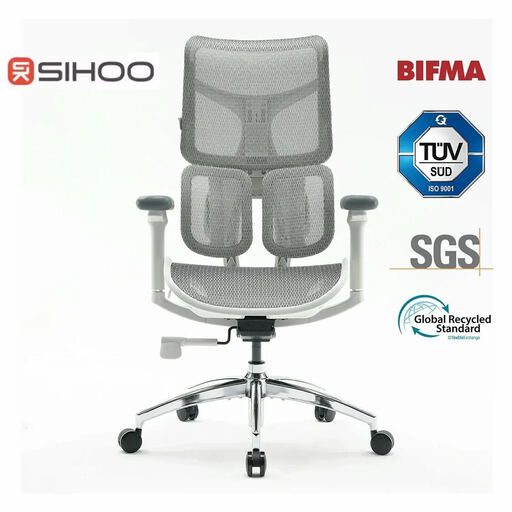
Why This Fits Their Persona: This user sits for more than eight hours a day and needs maximum support and adjustability to stay productive and pain-free. The Sihoo S100 is a fully adjustable office chair, designed for long-term, intensive use.
This chair bypasses the "one-size-fits-all" pitfall with a dual dynamic lumbar support system and 4D coordinated armrests. The breathable mesh backrest prevents the comfort issues associated with non-breathable materials.
The 6D adaptive lumbar support mechanism offers continuous support. The armrests move in sync with the backrest, relieving shoulder strain in any sitting position. The sleek white designer office chair fits perfectly into a modern workspace.
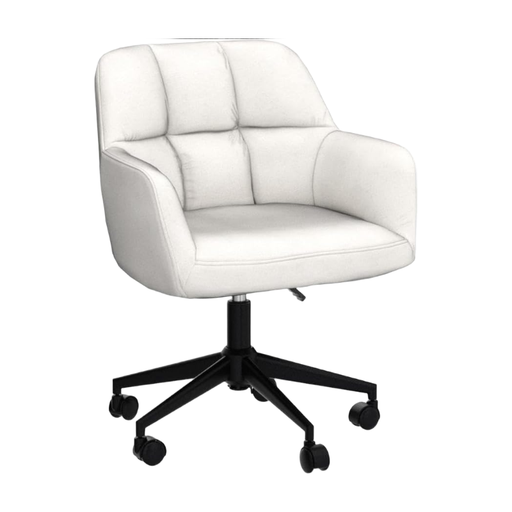
Why This Fits Their Persona: For those seeking an office chair for working from home that is not only functional for a few hours a day but also blends seamlessly into the living room or bedroom decor. Aesthetics are just as important as basic comfort here.
This chair makes no false ergonomic promises. It provides essential functions (height-adjustable, 360° swivel) and avoids the poor materials pitfall by using a soft, skin-friendly velvet fabric that feels comfortable.
Combines a classic, elegant design with modern comfort. The soft upholstery and solid metal base make it a durable and stylish choice for a multi-functional space.
An ergonomic workspace is about more than just a chair. Discover how an adjustable desk can help you create a dynamic and healthy work posture.
Start with your feet flat on the floor and your knees at an approximately 90-degree angle; adjust the seat height accordingly. The seat depth is correct when you have two to three fingers of space between the edge of the seat and the back of your knees. Adjust the lumbar support to follow the natural curve of your lower back. The armrests should be at a height where your shoulders are relaxed and your forearms form a 90-degree angle with your upper arms.
The lifespan depends on the build quality, materials, and intensity of use. A high-quality chair with a sturdy frame (like aluminium) and durable upholstery can last 7 to 10 years with normal daily use. Check the warranty period offered by the manufacturer; this is often a good indicator of the expected lifespan.
Not necessarily; it depends on your preference and usage. For long, uninterrupted work sessions, a breathable mesh office chair is often more comfortable due to its superior ventilation. However, if you work in a cooler environment or prefer a softer feel, a chair with high-quality fabric upholstery can be an excellent choice. It's a trade-off between thermal comfort and texture.
