
Vandaag of morgen in huis

Kwaliteit gegarandeerd

Welkomstaanbiedingen ontgrendelen: GRATIS bezorging | Tot 80% korting | Gratis 30 dagen JoyPlus-proefperiode
Download de app
A good office chair is not a luxury, especially if you spend hours at a desk for work, study, or gaming. The term 'ergonomic' is slapped onto everything, but what does it really mean? Many chairs promise comfort but end up causing issues after just a few months. This is often due to common pitfalls that buyers easily fall into.
As a Joybuy Product Recommendation Officer, I see products come and go every day. My job is to cut through the specs and help you make a choice based on facts, not clever marketing. Let's look at the three biggest mistakes when buying an office chair, so you can avoid making a bad purchase.
To avoid these pitfalls, you need to focus on a few concrete specifications. These are the features that make the difference between a chair that supports you and one that breaks you.
A chair should adapt to your body, not the other way around. Always check for the following adjustment options:
The material determines not only the look but also the comfort and lifespan of your chair.
Not everyone needs the same chair. Below are a few options that suit different needs, based on their specifications.
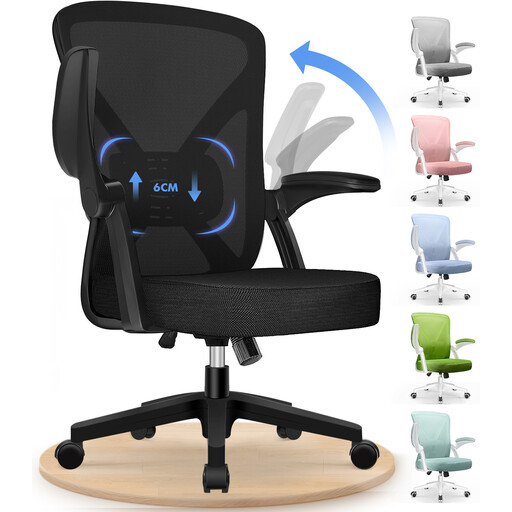
Why This Fits Their Persona: Ideal for those setting up a functional home office without paying a premium. The flip-up armrests are perfect for smaller spaces, and the adjustable lumbar support provides the essential foundation for a healthy posture during a standard workday.
This chair avoids the 'empty ergonomic promise' pitfall by offering concrete, adjustable features like customisable lumbar support and seat height, rather than just an S-shaped backrest.
Flip-up armrests for saving space and a breathable mesh back that stays comfortable, even on warmer days.
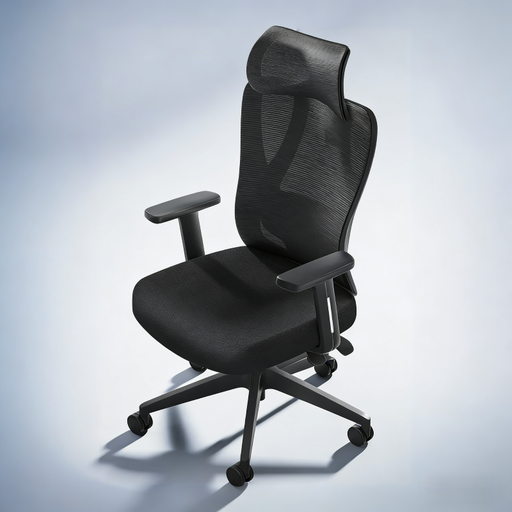
Why This Fits Their Persona: For professionals or gamers who sit all day. This chair offers advanced support with a 4D rotating lumbar system that dynamically adapts to your posture. The deep recline angle of up to 140° is ideal for moments of relaxation.
This model goes beyond a standard S-shape and tackles the 'one-size-fits-all' myth with a dynamic 4D lumbar support. It actively adjusts to provide personalised support that static models can't match.
4D rotating lumbar support for dynamic assistance and a recline function up to 140° for maximum relaxation between tasks.
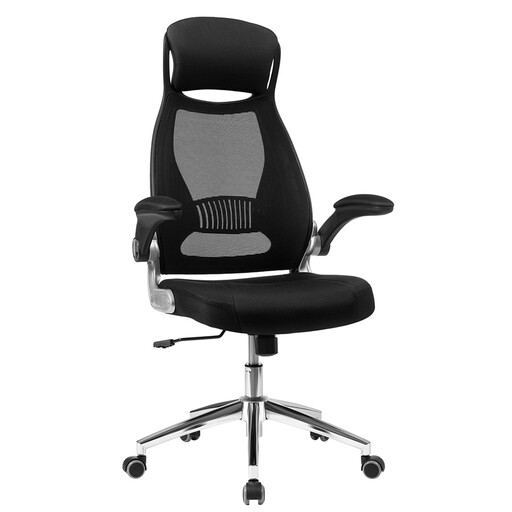
Why This Fits Their Persona: Specifically designed for users who need a higher weight capacity. With a steel base and a gas lift that supports up to 150 kg, this chair offers the stability and durability that standard models often lack.
This chair looks beyond just aesthetics and focuses on the functional foundation: a sturdy build. The 'up to 150 kg capacity' specification is an objective, verifiable fact, not a vague marketing claim.
High weight capacity of 150 kg for reliable stability and a wide, supportive seat (51 x 50 cm) for extra comfort.
We have compiled a complete, up-to-date list of products that fully meet these strict selection criteria and comply with current safety regulations.
Start with the seat height: your feet should be flat on the floor and your knees at an approximate 90-degree angle. Next, adjust the lumbar support to follow the natural curve of your lower back. Finally, adjust the armrests so your arms rest on your desk at a 90-degree angle and your shoulders are relaxed.
The lifespan depends on the quality of the materials and the intensity of use. A chair with a metal frame, a high-quality gas lift, and durable upholstery can last 5 to 10 years with normal use. Always check the manufacturer's warranty for an indication of expected durability.
There's no single answer; it depends on your preference. A mesh office chair offers superior ventilation and is ideal if you tend to get warm. A chair with (PU) leather upholstery is often seen as more stylish, for example, for an executive chair, and is easy to wipe clean. The choice is personal and depends on what you value more: breathability or aesthetics and ease of maintenance.
