
Vandaag of morgen in huis

Kwaliteit gegarandeerd

Welkomstaanbiedingen ontgrendelen: GRATIS bezorging | Tot 80% korting | Gratis 30 dagen JoyPlus-proefperiode
Download de app
Waking up with a stiff neck or shoulder pain is an unpleasant way to start your day. An unsuitable pillow is often the culprit. A good pillow provides the right support, but the search for the perfect model can be overwhelming.
As a Joybuy Product Recommendation Officer, my job is to help you make an informed choice. In this article, we'll discuss the specifications to look for when choosing an ergonomic neck pillow and highlight some popular options.
Before making a choice, it's helpful to consider a few key features. This ensures the pillow is well-suited to your body and sleeping habits.
The material largely determines comfort and support. A memory foam pillow is a common choice. This material conforms to the contours of your head and neck. It responds to body heat and pressure, providing a personalised fit. The shape is equally important. Many ergonomic pillows have a special contour with a curve for the neck, which functions as a neck support pillow and helps keep the spine in a neutral position.
The ideal pillow height and firmness depend heavily on your preferred sleeping position.
A pillow for neck pain doesn't necessarily have to be hard. It's all about the right balance. A good orthopaedic pillow offers targeted support to the neck and shoulders while allowing the head to rest comfortably. The goal is to keep the spine, from your neck to your lower back, in a straight line. A pillow that is too soft allows the head to sink too far, while one that is too hard can cause tension.
Based on product specifications and functionality, we have compiled a few options for you.
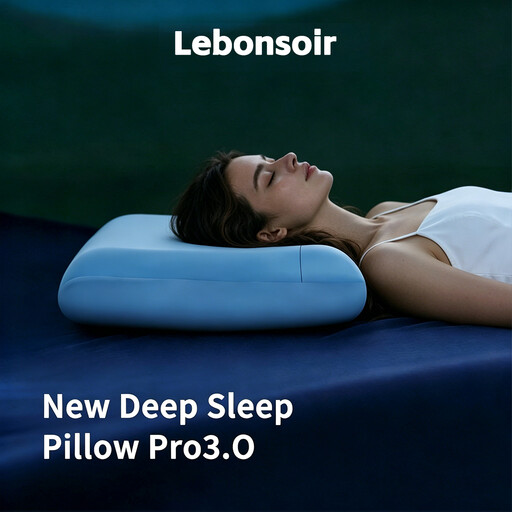
Why it stands out: This pillow is designed with a three-layer foam construction. According to the manufacturer, the first layer of memory foam provides a soft cradle, the second layer offers support against sinking, and the third layer ensures a stable base. This combination is intended to provide both comfort and firmness.
Key Features
Who is it for? This pillow is aimed at people looking for a specific ergonomic neck pillow to improve their sleep quality. According to its specifications, it is suitable for side, back and stomach sleepers and can be a great option for office workers or seniors who need extra neck support.
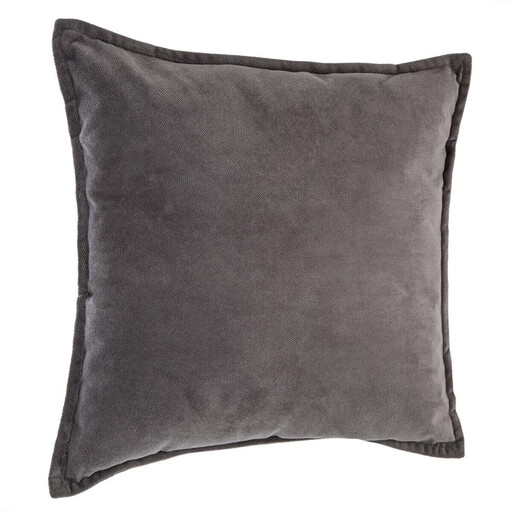
Why it stands out: While this is not an ergonomic pillow for sleeping, it does offer comfort and adds atmosphere to your home. It's a versatile decorative cushion for a sofa or chair. The simple, solid colour makes it easy to coordinate with various interior styles.
Key Features
Who is it for? This cushion is intended for those looking for decorative and functional cushions for their living room. It is not designed for sleep support but can serve as comfortable back support while sitting.
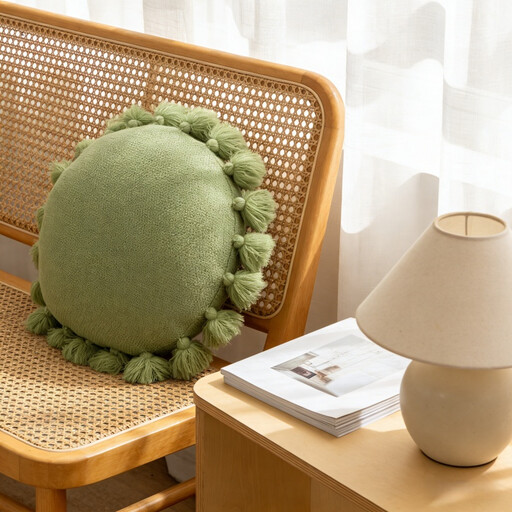
Why it stands out: This round cushion stands out with its playful design, featuring hand-knotted fringes and soft acrylic fabric. It is OEKO-TEX STANDARD 100 certified, meaning it has been tested for harmful substances.
Key Features
Who is it for? This cushion is an excellent choice for anyone looking for a decorative accent for a bed, sofa or armchair. Like the Sophia cushion, it is not intended as an orthopaedic pillow for sleeping, but it does offer soft comfort and a stylish look for daytime use.
Besides a good pillow, the right support during the day can also make a difference, for example, when sitting at the dining table or at your desk. Comfortable seat cushions can help you adopt a better posture and relieve pressure on your back.
Curious about the possibilities? Check out our range of Indoor Dining Chair Cushions for more comfortable seating solutions.
A regular pillow is often symmetrical and filled with materials like down, feathers or synthetic fibres. An ergonomic neck pillow typically has a specific shape, such as a contour or curve, designed to support the neck and spine in a neutral, aligned position. The material is often memory foam or latex, which adapts to the user.
Getting used to a new pillow, especially a memory foam pillow with a specific shape, can take anywhere from a few nights to a couple of weeks. Your body and muscles need time to adjust to the new support. It is recommended to use the pillow consistently to speed up the adjustment process.
Not necessarily. The term "better" is subjective and depends on your sleeping position and personal preference. A pillow for neck pain should be primarily supportive, not necessarily firm. The goal is to keep the neck aligned with the rest of the spine. A side sleeper may need a firmer pillow than a back sleeper. The right balance between firmness and comfort is key.
