
Vandaag of morgen in huis

Kwaliteit gegarandeerd

Welkomstaanbiedingen ontgrendelen: GRATIS bezorging | Tot 80% korting | Gratis 30 dagen JoyPlus-proefperiode
Download de app
Buying a new mattress is a major decision. The wrong choice can lead to restless nights, back pain, or overheating. The market is vast and specifications are often unclear, making the search complex. This guide will help you make an informed decision based on factual product features, ensuring you find an ergonomic mattress that suits your body and sleep preferences.
A good mattress supports the natural curvature of your spine. To avoid a poor purchase, it's helpful to focus on the following objective criteria.
The core of the mattress determines its support, comfort, and ventilation. The most common materials are:
The right firmness depends on your body weight, build, and sleeping position. Manufacturers often use firmness ratings:
Some mattresses offer dual-sided firmness, allowing you to switch between two firmness levels by flipping the mattress.
A 7-zone mattress is designed to provide targeted support to different parts of the body. The zones for the shoulders and hips are softer, allowing them to sink deeper into the mattress. The lumbar zone is firmer for extra support. This helps keep the spine in a straight, natural alignment, which can contribute to making it an effective mattress for back pain.
A breathable mattress is essential for those who tend to sleep hot. Materials like cold foam and gel-infused memory foam, as well as open-cell structures and specialised covers, promote air circulation and help maintain a comfortable sleep climate.
Certifications provide assurance about the safety and quality of the materials used.
Based on the criteria above, we have selected mattresses with clear and verifiable specifications.
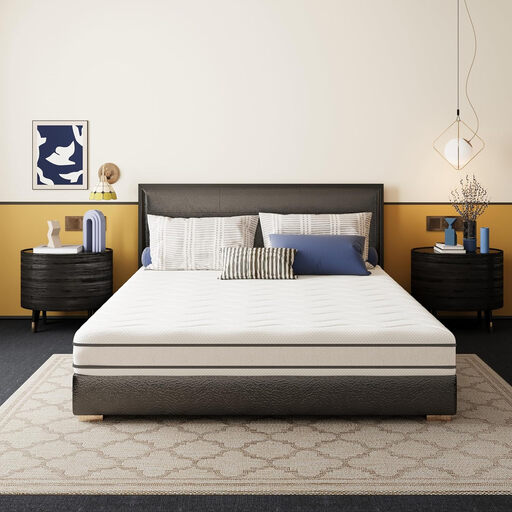
Why this product: This mattress combines a supportive cold foam base with a gel memory foam top layer. Its key feature is the flippable core, allowing you to choose between H2 (medium-soft) and H3 (firmer) firmness. This makes it a highly flexible option.
Benefits:
Who it's for: Individuals who are unsure about their ideal firmness or whose preferences might change. Its 100x200 cm size makes it an excellent choice for a single bed.
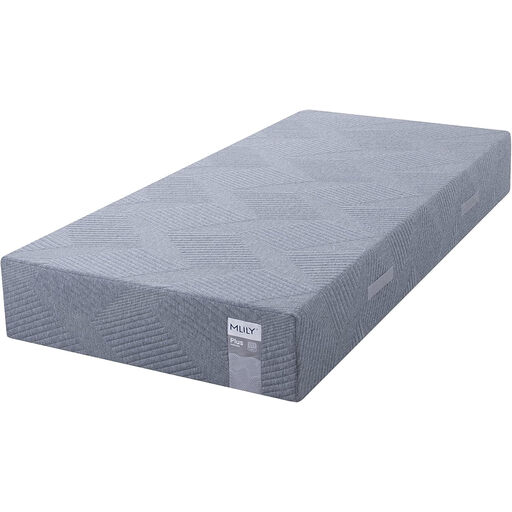
Why this product: This two-person mattress (160x200 cm) is a hybrid model with a substantial height of 26 cm. It combines multiple foam layers with a pocket spring core. According to the manufacturer, MLILY, its Dynamic Zoning spring system minimises motion transfer, which is beneficial for couples.
Benefits:
Who it's for: Couples looking for a 160x200 mattress with excellent motion isolation. It's also suitable for sleepers who appreciate the combination of bounce and pressure-relieving comfort found in a hybrid mattress.
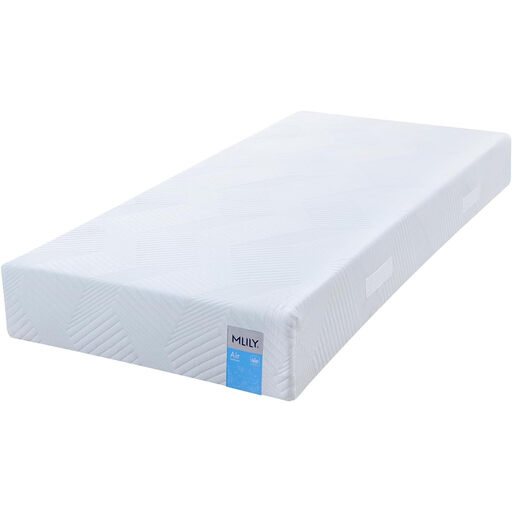
Why this product: The MLILY Air stands out for its focus on temperature regulation and sustainability. The mattress features a 3-layer system including Cool-Flex gel foam. Its cover is made from Seaqual Yarn, which is partially crafted from recycled ocean plastic.
Benefits:
Who it's for: Individuals who tend to sleep hot and value sustainable materials. The dual firmness and hypoallergenic properties make it a versatile choice for a two-person mattress.
The selection above focuses primarily on all-foam mattresses. If the properties of cold foam or memory foam don't fully meet your needs, a hybrid mattress can be a compelling alternative. These models combine the support and ventilation of pocket springs with the comfort of foam layers, creating a balanced sleep surface.
Cold foam (HR foam) has an open-cell structure, is resilient, and ventilates well. It provides responsive support. Memory foam reacts to body heat, contours to your shape, and excels at pressure relief. It often feels warmer and returns to its original form more slowly.
The right firmness depends on your body weight, height, and sleeping position. As a general guideline: H2 (medium) for individuals up to 80 kg, and H3 (firm) for those between 80-110 kg. Side sleepers often need a slightly softer mattress at the shoulders, while back and stomach sleepers benefit more from firmer support to prevent their back from sagging.
A 7-zone mattress is designed to keep the spine in a neutral, straight alignment by offering different levels of support. The softer shoulder and hip zones allow these body parts to sink in deeper, while the firmer lumbar zone supports the lower back. For many people, this targeted support can help reduce back pain. However, the effect is subjective and depends on the cause of the pain.
