
Vandaag of morgen in huis

Kwaliteit gegarandeerd

Welkomstaanbiedingen ontgrendelen: GRATIS bezorging | Tot 80% korting | Gratis 30 dagen JoyPlus-proefperiode
Download de app
An ergonomic baby carrier can be useful when going for a walk, doing the shopping or travelling on public transport. You keep your hands free while your baby stays close to you. However, not every baby carrier is suitable for every parent or child. An attractive design or low price says little about carrying comfort, fit or how long the carrier can be used.
Pay particular attention to these common pitfalls:
Always check the minimum and maximum carrying weight. Some models are suitable from around 3 kg, while others may only be used from approximately 3 months. Your baby’s weight is more important than the age recommendation alone.
A carrier for 3 to 20 kg may be a good choice if you want to use one model for a longer period. Also check whether the product description only mentions front carrying, or whether carrying on the hip or with your baby facing forwards is also possible. Only use positions that the manufacturer recommends for the relevant age and weight.
With a baby carrier M-position, the knees sit higher than the bottom and the thighs are supported. The seat should be wide enough without digging into the groin. Check whether the width is adjustable and whether the leg openings have soft edging.
Pay attention to the wearer’s back, too. A carrier with lumbar support or a wider waist belt can distribute the weight more effectively. Cross-back straps, such as those on an X-back design, may feel more comfortable for some users than straight shoulder straps. The best choice depends on your build and how you intend to use the carrier.
A cotton baby carrier generally feels familiar and is easy to care for. Check whether it is made from 100% cotton or a cotton blend containing elastane. A lightweight baby carrier is practical for travelling, but also look at the padding and the stability of the buckles and straps.
Machine-washability is a practical benefit for everyday use. Always follow the care label and check after washing that the seams, buckles and straps are still intact. A carrier weighing around 700 to 800 grams is relatively easy to take with you, but overall carrying comfort is also determined by the construction and how the weight is distributed.
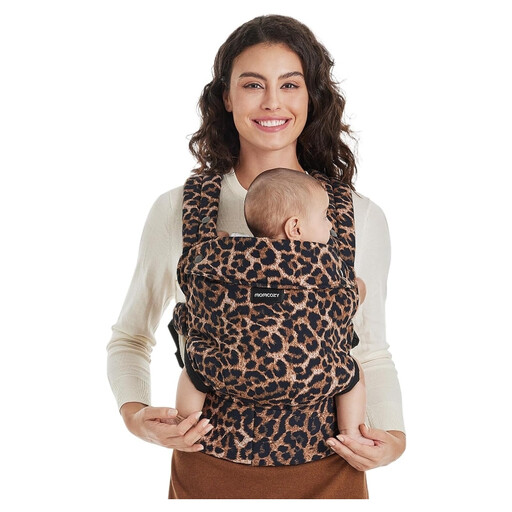
Why it suits this profile: This model is designed for everyday front carrying and has a stated weight range of 3.18 to 19.96 kg. The combination of cotton, adjustable straps and machine-washability makes it suitable for parents looking for practical essential features.
The product information mentions a tri-point support system, adjustable straps, padded leg openings and a foldable neck-support cushion. Check the adjustment before every use; these features do not replace a proper fit.
100% cotton, a stated weight of 771 grams, machine-washable and designed for front carrying from babyhood to the toddler years.
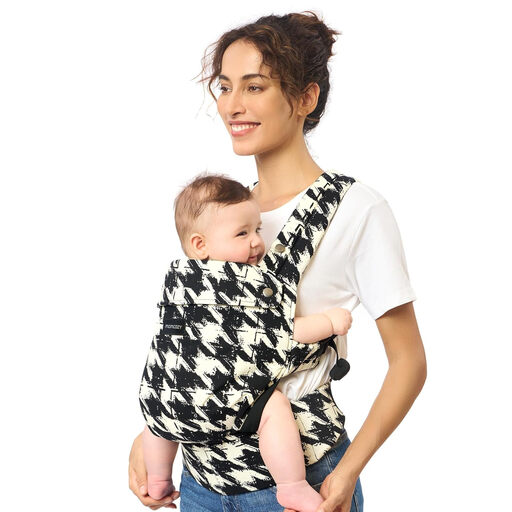
Why it suits this profile: The described X-back straps and additional lumbar support are designed to distribute weight evenly across the shoulders and back. The three adjustment positions are useful when the same carrier is shared by several carers.
The model lists specific features rather than simply using the word ergonomic: a wide padded seat, adjustable buckles, X-back straps and machine-washability.
100% OEKO-TEX Standard 100-certified cotton according to the product information, a carrying range of approximately 3.18 to 20 kg and front carrying.
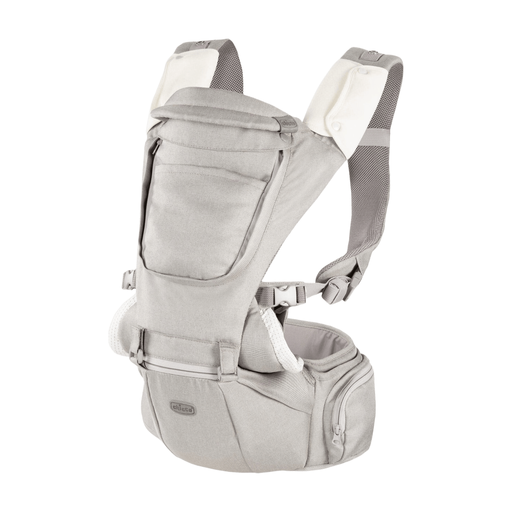
Why it suits this profile: If you need different carrying options, a system with a removable hip seat and carrier can be a good choice. The product information describes three configurations and multiple carrying positions from the stated ages.
The carrying options are clearly explained: hip seat plus carrier, hip seat only or carrier only. This makes it easier to decide in advance which configuration suits your situation.
3-in-1 use, multiple carrying positions from 3 months according to the product information, and a base that distributes the weight across the shoulders and hips.
We have put together a complete, up-to-date list of products that fully meet these strict selection criteria and the applicable European safety regulations.
An ergonomic baby carrier only works well when it is adjusted correctly. Use this checklist before every carrying session:
Claims about ergonomic support are taken from the product descriptions provided by the brands concerned. They do not replace the instructions for use or personal advice from a healthcare professional.
This varies by model. Some baby carriers are suitable from around 3 months, while others have a lower minimum weight or a separate newborn position. Always check both the age and weight limits in the instructions. If in doubt, it is wiser to wait or seek advice than to use the carrier too early.
The usable life depends on the maximum carrying weight, your child’s growth and the condition of the material. A model with a range of up to 20 kg can grow with your child for longer, but only if the fit remains suitable at every stage. Inspect the carrier regularly and replace it if the buckles are damaged, the seams are coming loose or there is clear wear and tear.
No. A low weight is practical for travelling and everyday storage, but comfort also depends on the shoulder straps, waist belt, seat and weight distribution. Adjust the carrier to suit your body and check that your baby is secure and has clear airways.
