
Vandaag of morgen in huis

Kwaliteit gegarandeerd

Welkomstaanbiedingen ontgrendelen: GRATIS bezorging | Tot 80% korting | Gratis 30 dagen JoyPlus-proefperiode
Download de app
An ergonomic baby carrier can be useful when going for a walk, doing the shopping or travelling. It keeps your hands free while your baby stays close to you. However, not every carrier meets the same expectations. An attractive design or the term “ergonomic” says little by itself about fit, adjustability and ease of use.
For parents in the Netherlands, these three common pitfalls are particularly important:
The product description should therefore always be considered alongside the instructions, weight limits and the way the carrier is adjusted.
A baby carrier from 3 months must be suitable for your child’s weight and development. Don’t just look at the recommended age. Babies of the same age can differ considerably in weight and build.
According to the product information, the Momcozy Baby Carrier is intended for babies from approximately 3 to 24 months and weighing 3.18 to 19.96 kg. The carrier has three adjustable positions, making it a 3-in-1 baby carrier. Before each use, check that your child falls within the stated range and follow the user manual.
Extra care is needed for young babies who cannot yet hold their head up independently. Only use a carrier if the instructions permit it and the head and neck support can be adjusted correctly.
A baby carrier with lumbar support can distribute weight more effectively across the hips and torso than a model that relies mainly on the shoulders. Look for:
A lightweight baby carrier is convenient for travelling, but a low product weight should not come at the expense of support. According to the product details, the Momcozy carrier weighs approximately 771 grams and features an EVA hip support, padded adjustable straps and an X-shaped back design.
With an ergonomic baby carrier with an M-position, the knees are higher than the bottom and the thighs are supported. According to the product description, this carrier is designed to support that position. This is a product specification, not a guarantee of a particular medical outcome.
Your baby’s airway must always remain clear. Keep their face visible, carry them upright and check regularly that the fabric is not covering their nose or mouth. The carrier is not protective equipment in the event of a fall or accident. Do not use it while cycling, running, cooking over an open flame or doing other activities with an increased risk of falling.
Of the products provided, only one is actually a baby carrier. The PELLIOT sleeping bag and the WXJHL gaming chair are not suitable alternatives for this product category and are therefore not recommended as carrying solutions. The cards below show different usage profiles for the same relevant product. This keeps the advice verifiable and helps you avoid buying something that does not suit your intended use.
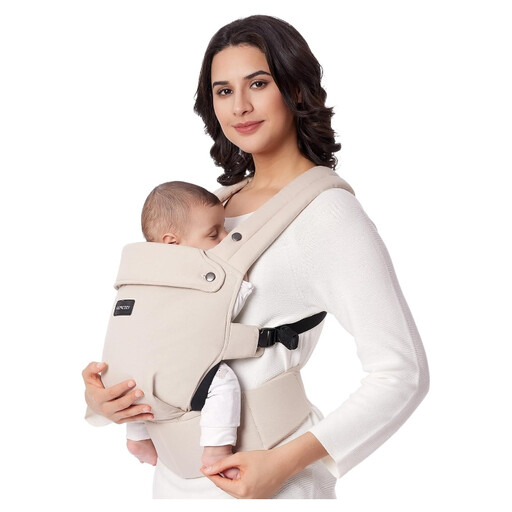
Why it suits this profile: The three adjustable positions and stated range of 3.18 to 19.96 kg make this a practical option for everyday use across several stages of growth.
The weight limits and size positions are clearly stated. However, always check that the fit is right for your baby and your body.
100% cotton, machine washable according to the product information and suitable for front carrying.
Why it suits this profile: The EVA hip support, padded straps and X-shaped back design suit parents who pay attention to weight distribution and adjustment comfort.
Support does not come solely from the shoulders; the hip area and back straps are part of the described design.
Adjustable shoulder straps, an X-shaped back and a foldable neck support according to the product specifications.
Why it suits this profile: With a stated weight of approximately 771 grams and a machine-washable cotton construction, this model is designed for regular use and days out.
The carrying range is clearly defined. Do not use the model outside the 3.18 to 19.96 kg range, and check the buckles and straps before every use.
Designed for hands-free front carrying, with padded leg openings and an adjustable neck support.
We have put together a complete, up-to-date list of products that fully meet these strict selection criteria and the applicable European safety regulations.
Always check the following before carrying your baby:
Stop using the carrier if a buckle, strap or seam is damaged. Consult the manual for assembly, carrying positions, maximum load and cleaning. When buying, also check what information the seller provides about European product safety and compliance. A marketing term is no substitute for clear instructions for use.
This varies by model and the relevant instructions. According to the product information, the Momcozy Baby Carrier is recommended from approximately 3 months, with a minimum weight of 3.18 kg. Do not use the carrier if your baby cannot yet support their head independently, unless the manual explicitly describes a suitable solution.
Its lifespan depends on use, load, washing and storage. Regularly check the buckles, elasticated parts, seams and shoulder straps. The carrier’s maximum weight is not a guarantee of a fixed period of use. Replace the product when visible wear or damage appears.
A baby carrier for travelling can be practical at stations, airports and during short walks. Choose a model that is adjustable and relatively lightweight, but practise putting it on and adjusting it at home first. Do not carry your baby during activities where you could fall, and always consider temperature, airway safety and taking breaks.
