
Vandaag of morgen in huis

Kwaliteit gegarandeerd

Welkomstaanbiedingen ontgrendelen: GRATIS bezorging | Tot 80% korting | Gratis 30 dagen JoyPlus-proefperiode
Download de app
An ergonomic baby carrier can be useful on a walk, while shopping or when travelling on public transport. It keeps your hands free and your baby close to you. However, not every baby carrier is automatically suitable for extended use. A low price, soft fabric or the word “ergonomic” doesn’t tell you much on its own.
When comparing carriers, focus on the fit, the permitted weight range and how your baby is supported. Below, you’ll find the key things to consider, common pitfalls and some popular options based on verifiable product specifications.
A baby and toddler carrier may be advertised as suitable “from birth to toddlerhood”. This can be misleading if the minimum weight, head support or recommended carrying position isn’t clearly stated.
Always check:
A product suitable for 3,2 to 20 kg isn’t automatically suitable for every newborn. Follow the instructions and the manufacturer’s warnings.
The word ergonomic is only useful if the carrier actually allows your baby to sit in the right position. For many models, this means an M-position: your baby’s knees are higher than their bottom, with their legs supported rather than hanging straight down.
A fixed, narrow seat may fit less well after a few months. An adjustable baby carrier with several settings can be more practical as your baby grows, but check that the adjustment suits your child’s height and weight.
A lightweight baby carrier is handy when you’re out and about, but using less material doesn’t automatically make it more comfortable. Consider how ventilation, padded leg openings, shoulder straps and waist or back support work together.
A breathable baby carrier made with Air Mesh can be a good choice in warm weather. Cotton often feels soft and is easy to wash, but it may feel warmer than mesh. So, think about when you’ll use the carrier rather than focusing on the material alone.
Choose a model that suits your baby’s current weight and the length of time you expect to use it. According to the product information, several Momcozy models in this selection are suitable for approximately 3,18 to 19,96 kg and for children aged around 3 to 24 months.
Also check the carrying positions. A front-facing carrier is handy for everyday use, but not every model is designed for back carrying or carrying your baby facing forwards. Only use the positions described in the instructions.
With a baby carrier with an M-position, your baby’s knees are held higher than their bottom. The seat should be wide enough to support the thighs without putting pressure behind the knees.
A well-fitting carrier holds your baby securely against your body without being too tight. Their face should remain visible, and their nose and mouth must not be covered by the fabric or your body. A foldable neck support can provide extra support, but must not cover your baby’s face.
A baby carrier with hip and back support can help distribute your baby’s weight more evenly. Look for:
According to the product descriptions, features such as EVA support, adjustable straps and an X-shaped back design on various Momcozy models are intended to distribute the load more evenly. These are product features; actual comfort also depends on your body shape and getting the fit right.
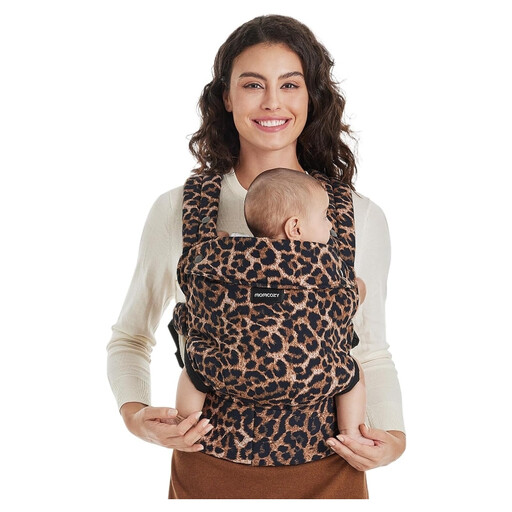
Why it suits this profile: According to the product information, this model is suitable for approximately 3,18 to 19,96 kg, has three adjustable settings and is designed for front carrying.
The stated weight range and adjustable fit make it clearer which stages of your baby’s growth the model is designed for.
100% cotton, machine washable, EVA hip support and padded leg openings.
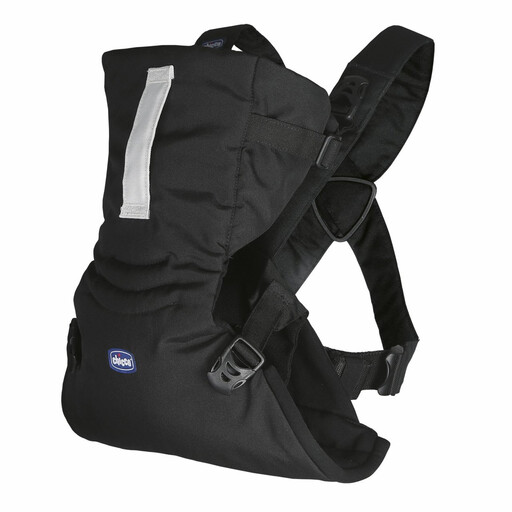
Why it suits this profile: Its T-shirt-style design is aimed at parents who value ease of use for everyday carrying.
The specifications list an adjustable, wide seat and a weight limit of 9 kg, making the recommended period of use clearer.
Suitable from birth according to the product information, machine washable at 30 °C and fitted with a foldable upper section for neck support.
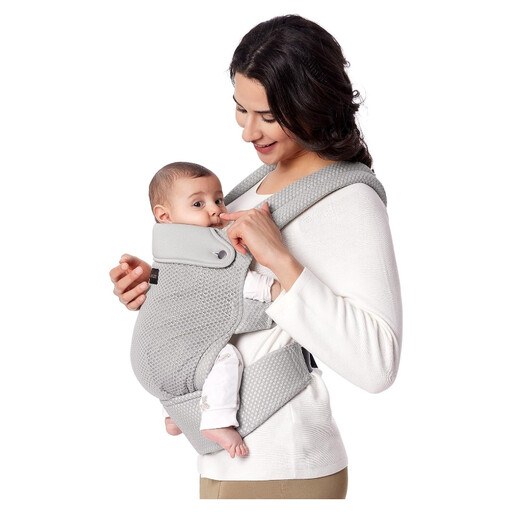
Why it suits this profile: The Air Mesh design is intended for warm weather, longer walks and trips where ventilation matters.
The product information specifically mentions Air Mesh, cooling fabric at the neck and three adjustable positions, rather than making only a general claim about comfort.
Mesh fabric, machine washable, front carrying, X-shaped back and a stated weight range of approximately 3,18 to 19,96 kg.
Check the buckles, seams and straps before every use. Make sure the buckles fasten securely, and stop using the carrier if you notice fraying, damage or missing parts. Keep your baby upright, make sure their face remains visible and check their airway regularly.
Don’t use a baby carrier while cycling, running, cooking over an open flame or doing anything else where you could fall or lose your balance. A baby carrier isn’t protective equipment in the event of an accident. Stop using it if you or your baby experiences pain, pressure or discomfort.
We’ve put together a full, up-to-date list of products that meet these strict selection criteria and the applicable European safety regulations.
Position your baby upright and close to your body. Adjust the seat so their knees are higher than their bottom and their thighs are supported. Tighten the straps until your baby is sitting securely, but check that their chest can move freely and their face remains visible.
How long it lasts depends on the material, washing instructions and how often you use it. Check the buckles, straps and seams before every use. Stop using the carrier if any parts are damaged, even if the maximum weight hasn’t been reached.
A cotton baby carrier often feels soft and is practical if machine washability matters to you. A mesh model may be a better choice in warm weather or for frequent use outdoors. Also consider the support and fit: the material alone won’t determine whether a carrier is comfortable.
