
Vandaag of morgen in huis

Kwaliteit gegarandeerd

Welkomstaanbiedingen ontgrendelen: GRATIS bezorging | Tot 80% korting | Gratis 30 dagen JoyPlus-proefperiode
Download de app
An ergonomic baby carrier can come in handy on walks, while shopping or when travelling on public transport. It keeps your hands free and your baby close to you. However, not every baby carrier is suitable for everyday use. A seat that’s too narrow, limited adjustability or insufficient support around your waist can quickly become uncomfortable.
So don’t focus only on an attractive colour or claims such as “ergonomic” and “lightweight”. Check the product specifications, recommended weight and how the carrier is adjusted.
A product description can sound ergonomic without clearly stating the weight or age range the carrier is suitable for. Always check:
A carrier for 3 to 20 kg isn’t automatically suitable from birth. Some models are only intended for babies who can support their own head.
A breathable baby carrier made from Air Mesh can be comfortable in warm weather, but open mesh can feel different from cotton. A cotton baby carrier may appeal to parents who prefer a softer material and want to wash the carrier regularly. Don’t just look for the word “breathable”; check:
A lightweight baby carrier is practical, but a low product weight doesn’t tell you much about how the weight is distributed. Shoulder straps, an X-shaped back and a baby carrier with lumbar support can matter more if you’ll be using the carrier for longer periods. Always adjust the straps before setting off and check that the weight is distributed evenly.
In an ergonomic M-position, your baby’s knees sit higher than their bottom, with their thighs supported. Their legs shouldn’t hang straight down. Check that the seat is wide enough for your baby and can be adjusted as they grow.
Your baby should sit upright and close to your body. Their face should remain visible, and their airway must not be covered by fabric or your clothing. Always follow the manufacturer’s instructions.
According to the product information, many models in this selection are designed for babies from around 3 months to 24 months, with a carrying weight of approximately 3,18 to 19,96 kg. This doesn’t mean that every child within this age range will get the same fit.
Also check the carrying direction. The Momcozy models mentioned are designed for front carrying, with your baby facing you. If a model offers several carrying positions, the instructions should clearly explain how to use each one.
An X-shaped back strap can help distribute the load across your shoulders and back. An EVA panel or built-in hip and lumbar support may provide extra support, but the effect will vary depending on your build and how the carrier is adjusted.
Start with a short test at home:
Stop using the carrier if you or your baby experiences pain, pressure marks or clear signs of distress.
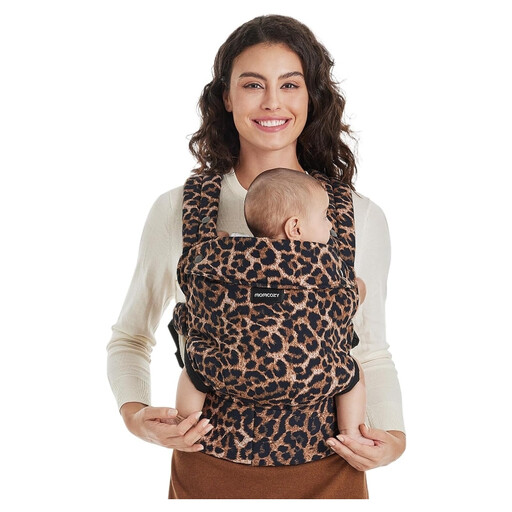
Why it suits this profile: This front-carrying model is designed for everyday use and has adjustable straps for babies weighing approximately 3,18 to 19,96 kg.
The product information lists the carrying weight, M-position, EVA panel and machine-washable fabric, making it easier to compare key features.
100% cotton, adjustable straps, padded leg openings and a weight of approximately 771 grams.
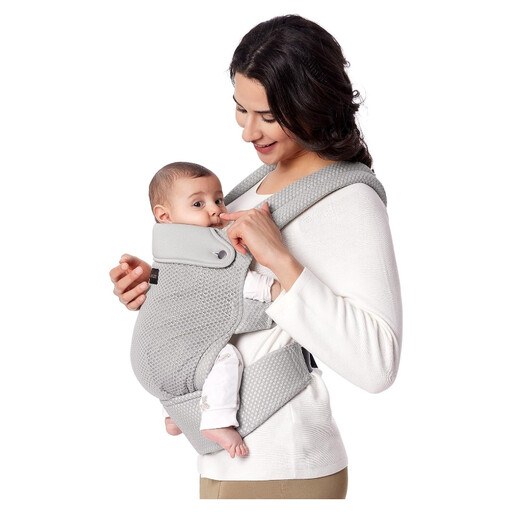
Why it suits this profile: The Air Mesh panels and cooling fabric around the neck are a good fit for parents who spend a lot of time outdoors or want a carrier for on the go.
The description specifies the material, carrying range, three adjustment positions and front carrying, rather than relying on general comfort claims alone.
Breathable mesh, EVA lumbar support, an X-shaped back and machine-washable material; stated weight approximately 771 grams.
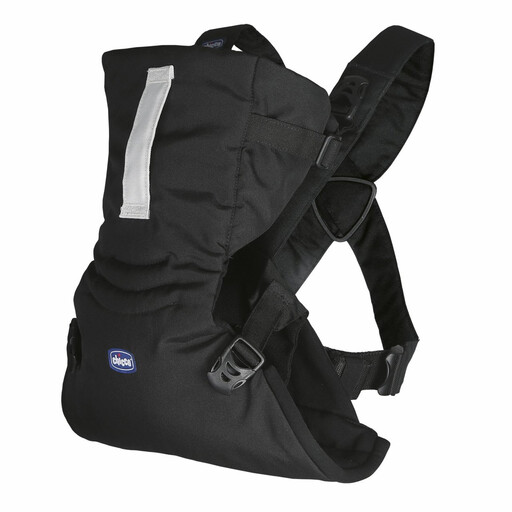
Why it suits this profile: According to the product information, this model is suitable from birth up to a maximum weight of 9 kg. It’s designed for parents looking for a simple front-carrying system.
The age and weight limits are clearly stated. The model isn’t presented as a carrier for babies and toddlers with a range up to 20 kg.
T-shirt-style carrying, an adjustable wide seat, a foldable neck support and machine washing at 30 °C, according to the product information.
We’ve put together a complete, up-to-date list of products that meet these strict selection criteria and the applicable European safety requirements.
Always use a baby carrier according to the instructions. Check the buckles, seams, straps and fabric before every use. Don’t use the product if any parts are damaged, worn or missing. Make sure all buckles click into place and that your baby is sitting upright, well supported and with their face visible.
A baby carrier isn’t protective equipment in the event of a fall or accident. Don’t use it while running, cycling, cooking over an open flame or doing other activities that involve a risk of falling or burns. Also be mindful of heat build-up, especially with a cotton carrier or a model with limited ventilation.
It depends on the model. Some carriers are suitable from birth, while others are only recommended from around 3 months. Always check the minimum weight and whether your baby needs to be able to support their own head and neck.
How long you can use it depends on the carrying weight, adjustability and care. A model with a range of approximately 3,18 to 19,96 kg can grow with your child from baby to toddler, but check the straps, buckles and seams regularly for wear. Replace the carrier if any parts are damaged.
Mesh can help with airflow, but your baby can still get warm from body contact and clothing. Choose lightweight clothing, check their temperature regularly and make sure their face and airway remain clear. Follow the care instructions too, to keep the fabric in good condition.
