
Vandaag of morgen in huis

Kwaliteit gegarandeerd

Welkomstaanbiedingen ontgrendelen: GRATIS bezorging | Tot 80% korting | Gratis 30 dagen JoyPlus-proefperiode
Download de app
An ergonomic baby carrier can be useful during a walk, train journey or household chores when you want to keep your hands free. Yet many models look alike. A low price says little about carrying comfort, while terms such as “ergonomic” or “lightweight” do not automatically mean that a carrier will suit your body and child.
As a Joybuy Product Recommendation Officer, I filter the most important product specifications so you can distinguish marketing claims from verifiable information. Below, you will learn what to look for in a baby and toddler carrier, which common pitfalls are often overlooked and which models suit different usage scenarios.
A carrier suitable for 3.2 to 20 kg may appear usable for a long time. In practice, the fit must also correspond to your baby’s weight and body shape. Therefore, check more than just the maximum weight:
According to the product information, the Momcozy models in this selection are intended for approximately 3 to 24 months. The safety information states that you should not use the carrier for a baby who cannot yet hold their head up independently.
A breathable baby carrier with Air Mesh can be comfortable in warm weather, but mesh does not automatically make a carrier suitable for cold or wet conditions. Also consider your baby’s clothing, the ventilation around their face and whether the fabric can be adjusted properly.
A cotton model often feels soft and is machine-washable according to the product description. However, cotton can feel warmer than mesh. Choose between a cotton baby carrier and mesh based on your everyday needs, not solely on the product title.
A baby carrier with lumbar support can help distribute weight more evenly across the waist, hips, shoulders and back. That does not mean every parent will experience the same fit. The height of the waist belt, the length of the shoulder straps and the design of the back panel are equally important.
According to Momcozy’s product descriptions, several models feature EVA waist support and an X-shaped back construction. These are verifiable design features; how they perform depends on your body shape, the adjustment and the duration of use. Stop carrying your child if you or your child experiences pain or clear discomfort.
With an ergonomic baby carrier with an M-position, the knees sit higher than the bottom and the legs are supported. The carrier should hold your baby close to your body while keeping the face visible and the airway clear. The product information for the models mentioned describes a seat designed to support this position.
When trying on a carrier, check for:
A baby carrier is not a fall-protection or safety device. Do not use one while cycling, running, cooking over an open flame or engaging in other activities involving a risk of falling or burns.
The models below are primarily designed for front carry, meaning carrying at the front. This is important if you are looking for a carrier for toddlers who like to look outwards or sit on your hip: check whether that position is actually permitted for the selected model.
Three adjustment settings can be useful if you want to use the same carrier over a longer period. A simple buckle system makes everyday use more convenient, but before every carrying session, check that all buckles are fully closed and have audibly clicked into place.
A weight of around 760 to 771 grams places a carrier in the lightweight baby carrier category. However, product weight is not the only factor that determines carrying comfort. A wide waist belt, padded leg openings and easily adjustable shoulder straps also make a difference.
Machine-washability is a practical advantage for everyday use. Always follow the care label and inspect the seams, buckles and straps after washing. Do not continue using a carrier if any parts are damaged, worn or missing.
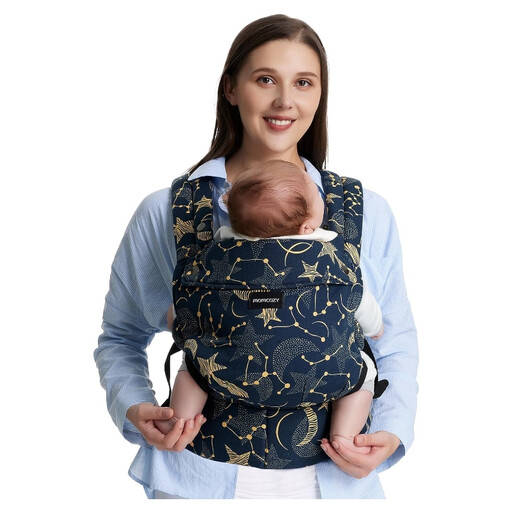
Why This Fits Their Persona: A practical choice for parents looking for a cotton carrier for short walks, shopping trips and everyday use.
The product information lists three adjustment positions and a weight range of approximately 3.18 to 19.96 kg. Always check the instructions and the fit for your baby.
100% cotton, machine-washable, adjustable straps and padded leg openings according to the product specifications.
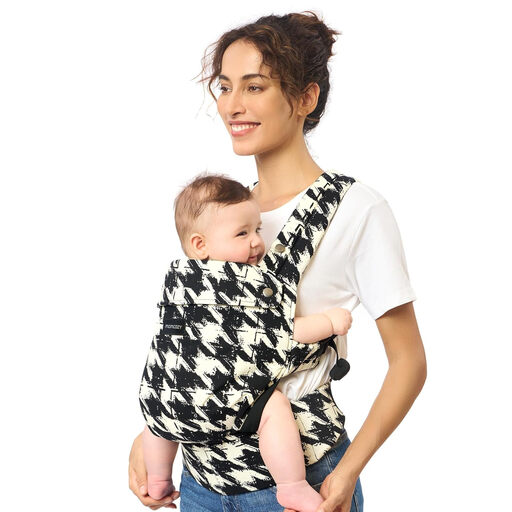
Why This Fits Their Persona: A good fit for parents who value clear material specifications, adjustability and a carrier for longer everyday periods.
The description specifies 100% OEKO-TEX Standard 100-certified cotton. This is a stated product feature; check the current documentation and label at the time of purchase.
X-back design, EVA lumbar support, a wide padded seat and three adjustment positions; suitable for approximately 3.18 to 20 kg according to the product information.
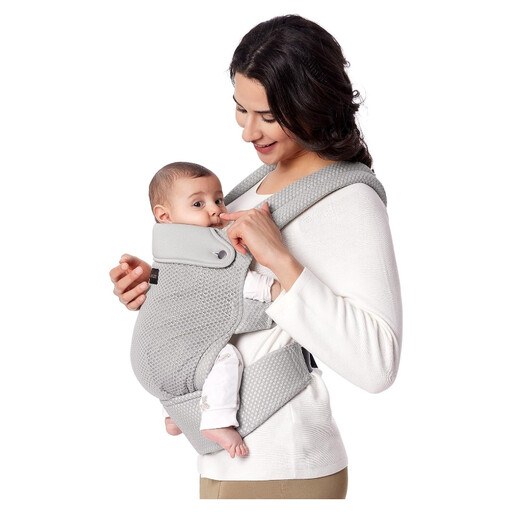
Why This Fits Their Persona: Ideal for parents who spend plenty of time outdoors, walking, travelling or carrying hands-free in warm environments.
Air Mesh and cooling neck fabric are explicitly listed. They support ventilation, but you should still monitor body temperature and keep the face unobstructed.
Mesh fabric, machine-washability, X-shaped back support and EVA waist support; front carry for approximately 3.18 to 20 kg.
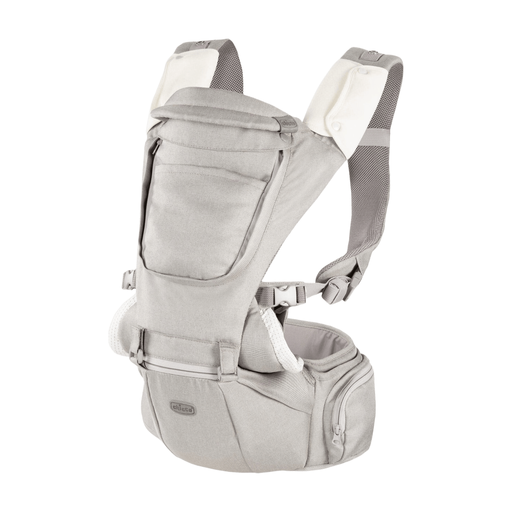
Why This Fits Their Persona: An appealing option for parents looking for multiple carrying configurations for outings and different times of day.
According to the product description, the base and carrier can be used together or separately. Check the age and safety requirements for each position.
3-in-1 design, breathable mesh fabric and multiple carrying positions according to the product specifications. Do not use while exercising or jogging.
Browse the current range of maternity accessories and compare models by material, carrying position, weight and adjustability.
Read the instructions before first use and adjust the carrier carefully. Before every carrying session, check the following:
Start with short carrying sessions. A lightweight baby carrier can be practical, but carrying a child weighing almost 20 kg places different demands on your body than carrying a 4 kg baby. Readjust the shoulder straps and waist belt when switching carriers.
The service life depends on the material, washing frequency, load and maintenance. A model with a range of approximately 3.2 to 20 kg may grow with your child according to the product specifications, but that does not mean the fit will remain optimal at every stage. Regularly check for fraying, loose stitching, damaged fabric and buckles that do not close securely.
A mesh model is designed for ventilation and can be practical in warm weather. Cotton generally feels soft and is also machine-washable according to the product information provided. For everyday use in changing conditions, carrying comfort, adjustability and proper support are more important than the material alone.
Follow the maximum usage times and instructions in the manual. Alternate carrying periods with breaks and regularly check your baby’s position, temperature and breathing. Do not use the carrier during activities involving a risk of falling, and stop immediately if you or your child shows any signs of discomfort.
