
Vandaag of morgen in huis

Kwaliteit gegarandeerd

Welkomstaanbiedingen ontgrendelen: GRATIS bezorging | Tot 80% korting | Gratis 30 dagen JoyPlus-proefperiode
Download de app
An ergonomic baby carrier can be useful when going for a walk, doing household chores or travelling with your baby. You keep your hands free while keeping your child close to you. However, not every carrier marketed as “ergonomic” is automatically suitable for your situation.
The biggest buying mistakes usually result from three pitfalls:
Pay attention to the instructions for use, too. A baby carrier is not protective equipment in the event of a fall or accident. Check the fabric, buckles and straps before every use. Your baby’s face must remain visible and their airway must not be covered.
Don’t just look at the maximum weight. Pay particular attention to the minimum weight and recommended age. A carrier for babies and toddlers may, for example, be suitable from around 3 months, but that does not automatically mean it is suitable for a newborn who cannot yet lift their head independently.
Ideally, an adjustable baby carrier should offer several seat-width settings and a well-adjustable waist belt. This allows you to adapt the carrier as your child grows. Always check that your child’s weight falls within the stated limit. According to the product information, the model discussed is suitable for approximately 3.18 to 19.96 kg, or 7 to 44 lb.
In an ergonomic M-position, the knees sit higher than the bottom and the thighs are supported. The legs do not hang straight down. This helps keep your baby stable against your body. The product description for the Momcozy baby carrier mentions this position as part of its design. This is a product claim made by the manufacturer, not a medical guarantee.
When trying the carrier on, check that:
Stop using the carrier if you or your child experiences pain, pressure marks or obvious distress.
A carrier with lumbar support distributes the weight more evenly across your waist and shoulders. Also consider the weight of the carrier itself. A lightweight carrier weighing 771 grams may be more comfortable for everyday use and travelling than a heavy model with lots of extra components.
According to the product details, the Momcozy Baby Carrier is made from 100% cotton, weighs approximately 771 grams and features an EVA waist support, padded adjustable straps and an X-shaped back construction. The carrier is designed for front carrying and, according to the description, can be used in three positions.
However, the material does not tell you everything. Also check:
If in doubt, ask the seller for the relevant European product safety information and conformity documentation. A general claim such as “safe” or “ergonomic” is not a substitute for specific product details.
The selection below distinguishes between different usage profiles. Not every product listed here is a baby carrier. This difference is stated deliberately, so that you do not buy the wrong product based on a similar product title or search result.
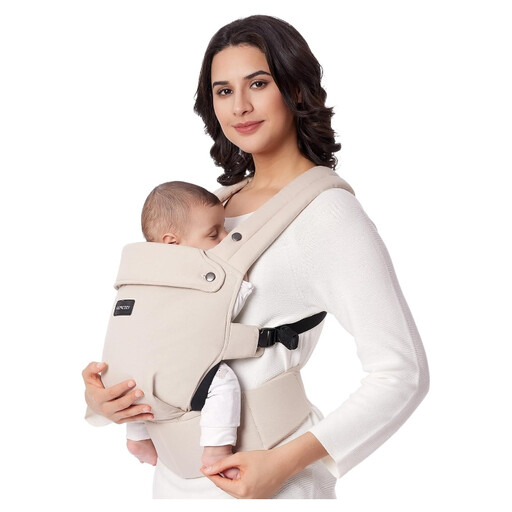
Why it suits this profile: This model combines a weight range of approximately 3 to 20 kg with three adjustment options. This is practical if you are looking for a single carrier for everyday use from around 3 months through the toddler stage.
The product information mentions an adjustable fit, M-position, padded leg openings and lumbar support. Check for yourself before use that it is correctly adjusted for your child.
100% cotton, machine washable according to the product details, weighing approximately 771 grams and suitable for carrying children weighing 3.18 to 19.96 kg.
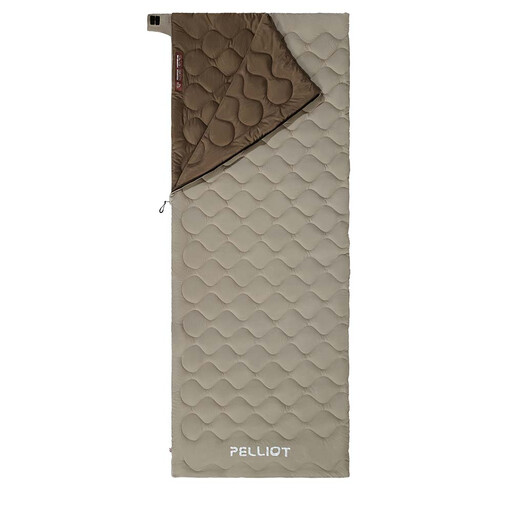
Why it suits this profile: This is not a baby carrier and is therefore not an alternative for carrying a baby hands-free. It may, however, be relevant to parents who are also looking for lightweight sleeping equipment for camping or travelling.
By not presenting the product as a baby carrier, you avoid making the wrong purchase based on the word “lightweight” or its suitability for use on the go.
According to the product name, this is a portable sleeping bag for adults with Primaloft insulation. Do not use it for carrying or sleeping with a baby.
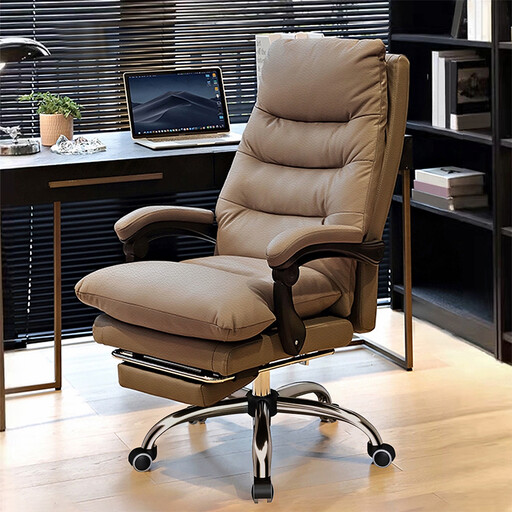
Why it suits this profile: This is an ergonomic office chair for working from home, not a carrier for a baby or toddler. Use this product only for the parent, for example while choosing baby products or working from home.
The clearly defined product category prevents confusion: a chair with a backrest or footrest does not replace a carrier with lumbar support and does not provide any way to secure a child.
The product name mentions a high backrest, soft seat and leg rest for use at a desk. No information is available to indicate that this product is suitable for babies.
The Momcozy is the only product in this selection described as a baby carrier. Before buying, check the full product specifications and instructions for use. Make sure the colour, dimensions and carrying position suit the way you use it every day, whether walking, using public transport or travelling.
We have put together a complete, up-to-date list of products that fully meet these strict selection criteria and the applicable European safety requirements.
This varies by model. Check the minimum weight on the product page and in the instructions. According to the product information, the Momcozy baby carrier mentioned has a minimum weight of approximately 3.18 kg and is intended for use from around 3 months. Do not use it if your baby cannot yet support their head independently when the instructions require this.
Its lifespan depends on the material, use and maintenance. Regularly check the buckles, seams, straps and fabric. Stop using the carrier if any parts are damaged, worn or missing. Wash it according to the instructions and store it somewhere dry and out of the reach of young children.
Lumbar support can distribute the weight more comfortably for the wearer, but comfort varies depending on your build and how the carrier is adjusted. Start with short periods, readjust the waist belt and shoulder straps, and take a break if you experience pain or pressure. Avoid activities involving a risk of falling, such as running or cycling, and do not cook near an open flame.
