
Vandaag of morgen in huis

Kwaliteit gegarandeerd

Welkomstaanbiedingen ontgrendelen: GRATIS bezorging | Tot 80% korting | Gratis 30 dagen JoyPlus-proefperiode
Download de app
An ergonomic baby carrier can come in handy for a walk, doing household chores while your baby sleeps or travelling on public transport. However, not every carrier is suitable from birth. An attractive price, a wide waistband or the term “ergonomic” tell you very little about fit and use on their own.
Look out for these three common pitfalls:
A baby carrier from birth needs to be suitable for a newborn’s weight and build. So check:
A newborn baby carrier is not automatically suitable for every baby from day one. Always follow the instructions and check that your baby’s face remains uncovered. Their nose and mouth must not be covered by fabric or by the parent’s body.
With an ergonomic carrier with an M-position, your baby’s thighs are supported, with their knees higher than their bottom. A wide, adjustable seat can help you adapt the carrier as your baby grows.
Check whether the manufacturer clearly states:
According to the Chicco EasyFit product description, the seat is wide and adjustable, and the M-position is designed to keep the thighs well spread and the knees higher. The product information states that this model has been recognised as hip-friendly by the International Hip Dysplasia Institute. This is a claim made by the manufacturer; don’t treat it as a substitute for the instructions or personal advice.
A comfortable baby carrier for you and your baby should feel like more than just soft fabric. Check the shoulder straps, fastenings and weight distribution too. An adjustable baby carrier is practical if more than one caregiver will use it.
Also look for:
A carrier doesn’t leave you completely free to focus on other activities. Don’t carry your baby while cooking, driving, exercising or doing anything that could affect your balance.
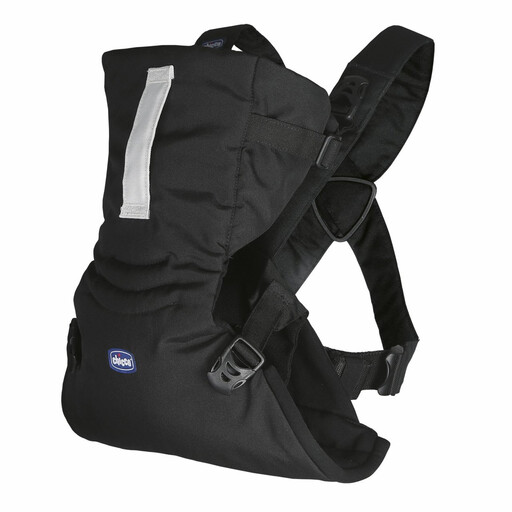
Why it suits this profile: According to the product information, the Chicco EasyFit carrier is suitable from birth up to a maximum of 9 kg and is designed to be put on like a T-shirt. It could suit parents looking for a straightforward option for short, everyday use.
The product details state a clear upper weight limit of 9 kg, an adjustable seat and a foldable upper section for extra support for newborns. Always check the exact adjustment before use.
Suitable from 0 months, with a 9 kg weight limit, front carry with your baby facing you, and machine washable at 30 °C according to the product description.
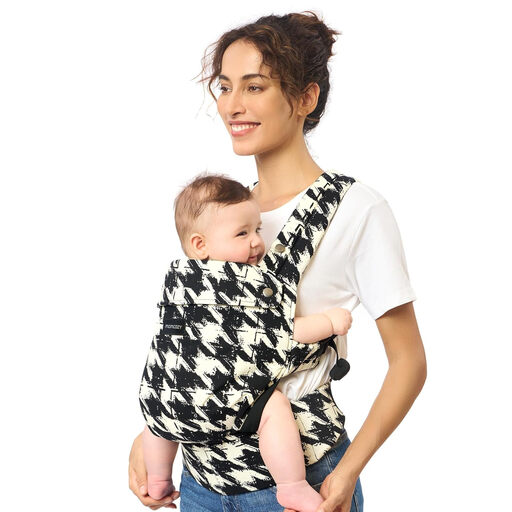
Why it suits this profile: According to the product information, this carrier is designed for babies and toddlers from around 3 to 24 months, with a weight range of 3.18 to 20 kg. It could suit parents looking for one adjustable model to use over a longer period.
The product details specify three adjustable sizes, a wide seat and a C-shaped seat design. As the recommended starting age is around 3 months, this isn’t automatically a suitable choice for the first few weeks.
100% cotton according to the product information, X-shaped shoulder straps, adjustable buckles, front carry and machine-washable care.
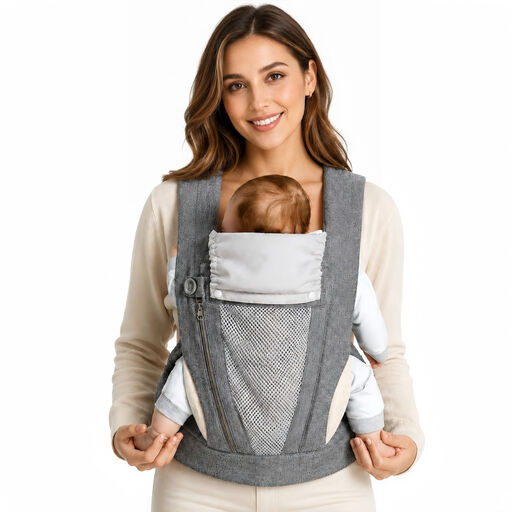
Why it suits this profile: The product name specifies a weight range of 3.2 to 20 kg, an ergonomic M-position and an X-shaped back. This could suit users who value adjustability and a wider weight range.
The product title lists specific features rather than simply saying “ergonomic”. Before buying, check the full instructions, minimum weight and permitted carrying positions.
The product title states that it is made from 100% cotton, with a one-click fastening, an X-shaped back and a weight range of up to 20 kg.
We’ve put together a complete, up-to-date list of products that meet these strict selection criteria and current European safety regulations.
It depends on the product specifications. Check the minimum weight, head and neck support, and permitted carrying position. According to the product description, the Chicco EasyFit is suitable from 0 months up to a maximum of 9 kg. Also follow the instructions for the foldable upper section and check that your baby’s face remains visible.
Its lifespan depends on the material, care and how often you use it. Check the seams, buckles and straps before every use. Stop using the carrier if any parts are damaged, loose or worn. The maximum lifespan in months varies from one model to another; the weight limit and the condition of the carrier are more important.
A carrier can leave your hands partly free, but you need to keep an eye on your baby at all times. Keep their airway clear, check their position and don’t use the carrier while cooking, driving or exercising. Make sure it is adjusted correctly every time you use it, even if you’ve used it many times before.
