
Vandaag of morgen in huis

Kwaliteit gegarandeerd

Welkomstaanbiedingen ontgrendelen: GRATIS bezorging | Tot 80% korting | Gratis 30 dagen JoyPlus-proefperiode
Download de app
As a new parent, you want to keep your baby close while having your hands free. An ergonomic baby carrier seems like the perfect solution. But the market is saturated with options, all promising comfort and support. Unfortunately, clever marketing and hidden flaws often lead to a purchase that leaves you with back pain and an unhappy baby.
Before you make a decision, it's crucial to recognise the most common pitfalls:
breathable carrier is an essential feature, not a luxury.A good baby carrier is an investment in both your comfort and your child's healthy development. Let's look at the specifications that truly matter.
To avoid a bad purchase, focus on the technical features that make a difference. These are the non-negotiable points for a comfortable carrier.
This is the most important factor for your baby's health. A good ergonomic carrier supports a child's natural posture.
front baby carrier should be soft and flexible enough to follow this curve, rather than forcing the back into an unnaturally straight position.Your baby's weight increases quickly. A carrier that doesn't distribute this weight well will soon become unusable. Pay attention to the following two elements:
prevent back pain.The material dictates the comfort for you and your baby across different seasons.
breathable summer carrier is often made of 'air mesh'. This material provides maximum ventilation and is a great choice for active parents or for use in warmer conditions.Not every carrier fits every lifestyle. Below are some popular choices, matched to specific needs.
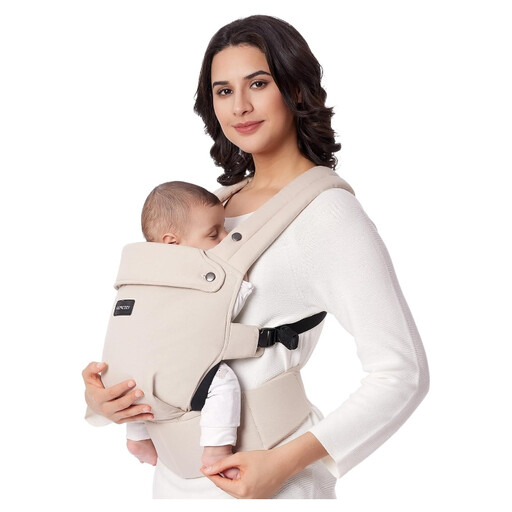
Why This Fits Their Persona: Ideal for parents looking for a reliable, no-fuss first carrier. This `Momcozy carrier` is designed for daily use, from a quick grocery run to a walk in the park, without a complex design.
This carrier focuses on function over frills. It features a clear M-position seat and C-shape support, avoiding the 'style over ergonomics' pitfall.
Made from 100% cotton, which is soft and breathable. The crossable back straps and lumbar support distribute weight effectively. Easy to put on and adjust by yourself.
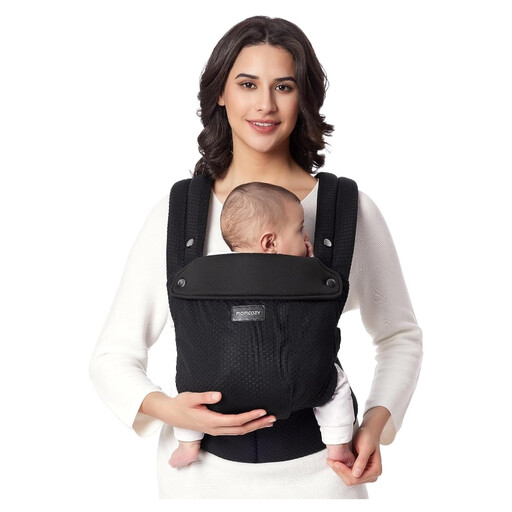
Why This Fits Their Persona: Perfect for parents who are always on the go, even on warmer days. This `lightweight carrier` is designed for maximum air circulation, keeping both parent and child cool.
This model directly tackles the 'wrong material' pitfall. The use of Air Mesh fabric prevents overheating, a common problem with standard cotton carriers in the summer.
Highly breathable and lightweight. It offers the same ergonomic M-position and back support as the cotton version, but with superior ventilation for a `breathable summer carrier`.
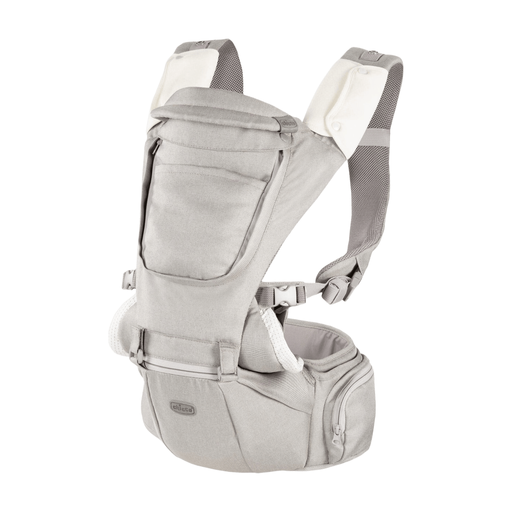
Why This Fits Their Persona: For parents who want a versatile solution that grows with their child from `newborn carrier` to toddler. This 3-in-1 system offers multiple carrying options for different situations and ages.
This model shatters the 'one-size-fits-all' myth. Its modular design (hip seat only, carrier only, or combined) allows it to adapt to your child's growth and your changing needs.
A multifunctional carrier with a hip seat. The detachable, sturdy base provides a seat for your child, which optimally distributes weight and is ideal for quick pick-ups and put-downs with a toddler.
We have compiled a complete, up-to-date list of products that fully meet these strict selection criteria and safety regulations.
This depends on the specific model. Some carriers, like the Chicco Easy Fit, are suitable from birth (0m+) up to 9 kg. Other models, like many Momcozy carriers, are recommended from around 3 months, or as soon as a baby can hold their head up independently (usually from 3.2 kg to 20 kg). Always check the manufacturer's specifications for the minimum and maximum weight.
Use this simple checklist for a safe and comfortable position:
Yes, a well-designed ergonomic carrier can make a significant difference. Models with a wide, supportive waistband and crossable shoulder straps distribute the baby's weight across your hips and core, instead of concentrating it all on your shoulders and upper back. This reduces strain and makes carrying, even for extended periods, much more comfortable.
